
Unveiling the Art of Afternoon Tea
Have you ever wondered about the origins and traditions of the elegant ritual of afternoon tea? Join us as we delve into the history and etiquette of this timeless British custom, and discover how you can elevate your own afternoon tea experience to create unforgettable moments.
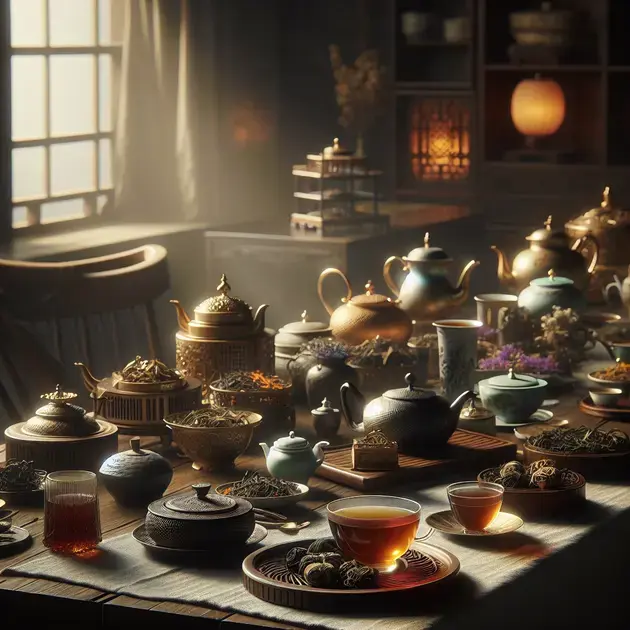
Understanding the Tradition of Afternoon Tea
Afternoon tea is a beloved tradition that began in the early 19th century in England. It is a ritual of enjoying tea, sandwiches, scones, and pastries between lunch and dinner. To experience the tradition of afternoon tea, consider booking a reservation at a renowned tea room such as The Ritz or Fortnum & Mason in London. These establishments offer a luxurious setting where you can indulge in a selection of teas and delectable treats while following proper tea etiquette.
For a more casual experience, you can host your own afternoon tea at home. Set a charming table with a teapot, fine china, and tiered cake stands. Prepare finger sandwiches, freshly baked scones with clotted cream and jam, and an assortment of cakes and pastries. Invite friends or family to join you for a delightful afternoon of tea and conversation.
To elevate your afternoon tea experience, consider downloading the mobile app “Afternoon Tea” where you can discover tea rooms, browse menus, and make reservations. The app provides reviews and ratings from fellow tea enthusiasts, ensuring you choose the perfect spot for your tea time indulgence.
Whether you opt for a traditional tea room or a cozy home setting, understanding the history and etiquette of afternoon tea adds a touch of elegance to this timeless tradition.
Tips for Enhancing Your Afternoon Tea Experience
To enhance your afternoon tea experience, start by selecting a high-quality loose-leaf tea. Consider exploring different tea varieties such as black, green, white, or herbal teas to cater to different tastes. Invest in a proper tea infuser or strainer to brew your tea effectively and enhance the flavor.
Pay attention to the presentation of your afternoon tea spread. Use elegant teaware and serveware to create a visually appealing setting. Add fresh flowers or a decorative centerpiece to elevate the ambiance and make the experience more special.
Experiment with unique tea pairings to complement your treats. For example, pair Earl Grey tea with citrus-flavored desserts or matcha tea with green tea cakes. The right pairing can enhance the flavors and create a harmonious taste experience.
Engage all your senses by playing soft instrumental music in the background and lighting candles to create a soothing atmosphere. Take the time to savor each bite and sip slowly, allowing yourself to fully appreciate the flavors and textures of the tea and delicacies.
Document your afternoon tea experiences and share them on social media using the hashtag #AfternoonTeaMoments to connect with other tea lovers and inspire creativity in your tea presentations.
Exploring Different Types of Afternoon Tea
There are various types of afternoon tea experiences to explore beyond the classic English tradition. Consider trying themed afternoon teas such as Alice in Wonderland, Harry Potter, or seasonal themes like Christmas or Halloween. These themed teas offer a fun and creative twist on the traditional tea service.
For a unique twist, explore global variations of afternoon tea such as Japanese matcha tea ceremonies, Chinese dim sum tea services, or Indian chai tea rituals. These cultural interpretations of tea ceremonies provide a fascinating insight into different tea cultures around the world.
If you are a health-conscious tea enthusiast, explore wellness afternoon teas that focus on organic teas, gluten-free treats, and vegan options. These tea experiences prioritize clean eating and holistic well-being, offering a guilt-free indulgence for those with dietary preferences.
Attend tea tasting events or workshops to expand your knowledge and palate. Discover the nuances of different tea blends, learn about tea production methods, and receive expert guidance on brewing techniques. These interactive sessions can deepen your appreciation for tea and enhance your tea-drinking skills.
Embrace the diversity of afternoon tea options available and embark on a journey of exploration to discover new flavors, traditions, and experiences that will enrich your tea-loving lifestyle.
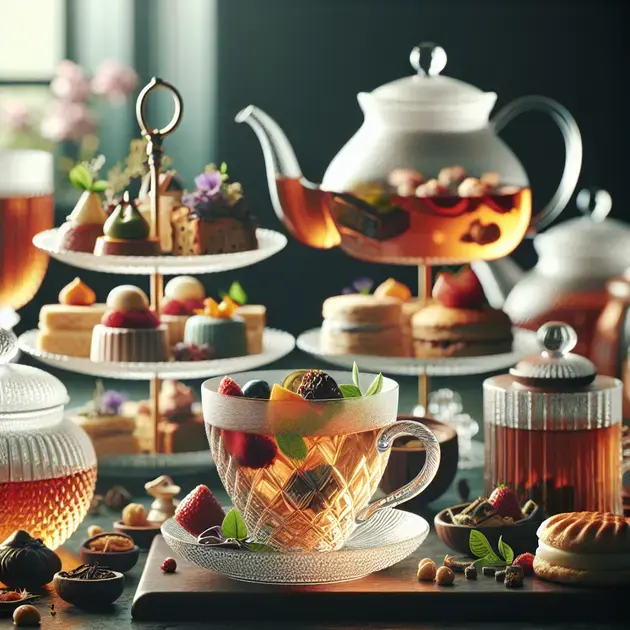
**Maximizing the Flavors in Your Afternoon Tea Selections**
Exploring Tea Blending Techniques
When preparing your afternoon tea selection, one way to maximize flavors is by exploring tea blending techniques. Blending different types of teas like black, green, and herbal teas can create unique and harmonious flavor profiles. For example, a blend of Earl Grey with lavender and a hint of vanilla can add a floral and citrusy note to your afternoon tea experience. Experimenting with different ratios of teas and ingredients allows you to customize the taste according to your preference, providing a delightful afternoon tea.
Enhancing Taste with Food Pairings
Pairing your teas with complementary flavors can enhance the overall taste of your afternoon tea selection. Consider serving light and delicate teas with pastries or cakes to balance out the flavors. For instance, a fragrant jasmine tea can be paired with citrusy lemon tarts to create a refreshing combination. By carefully selecting food pairings that complement the tea flavors, you can elevate the taste experience and maximize the enjoyment of your afternoon tea.
The History and Etiquette of Afternoon Tea
Understanding the history and etiquette of afternoon tea is essential for creating an authentic and traditional tea experience. Afternoon tea originated in England in the 19th century when Anna, the Duchess of Bedford, initiated the habit of having a light meal with tea in the afternoon to bridge the long gap between lunch and dinner. Today, afternoon tea is a time-honored tradition that emphasizes elegance and socializing over a delightful tea service.
Etiquette Guidelines for Afternoon Tea
Observing proper etiquette during afternoon tea is key to honoring its tradition. Some etiquette guidelines include holding the teacup with your thumb and index finger, stirring the tea gently without making noise, and refraining from dunking biscuits into your tea. Additionally, engaging in polite conversation, waiting for everyone to be served before sipping your tea, and thanking the host for the tea service are all essential aspects of afternoon tea etiquette.
Incorporating Local Ingredients into Your Afternoon Tea Menu
Infusing your afternoon tea menu with local ingredients can add a unique and regional touch to your tea experience. By sourcing ingredients from local farmers and producers, you not only support the community but also showcase the freshness and quality of local goods in your tea selections. For example, incorporating honey from nearby apiaries, fresh fruits from local orchards, or indigenous herbs and spices can bring a distinct flavor and depth to your afternoon tea menu.
Creating Signature Dishes with Local Ingredients
Experimenting with local ingredients allows you to create signature dishes that reflect the flavors of the region. Consider incorporating seasonal produce into your sandwiches, scones, and desserts to add a seasonal flair to your afternoon tea menu. By highlighting the freshness and diversity of locally sourced ingredients, you can introduce guests to new and exciting flavors while supporting sustainability and celebrating the culinary heritage of your area.
Conclusion
Afternoon tea, a cherished tradition originating in 19th-century England, continues to captivate enthusiasts worldwide with its blend of elegance and social charm. Whether indulging in a luxurious tea experience at esteemed establishments like The Ritz or Fortnum & Mason, or opting for a cozy home setting, the history and etiquette of afternoon tea infuse a touch of sophistication into every cup. To elevate your tea affair, exploring diverse tea varieties, experimenting with unique pairings, and embracing global tea variations offer a delightful journey of flavors and cultural insights. Enhancing your afternoon tea selection through tea blending techniques and thoughtful food pairings enhances the overall taste experience. Understanding the etiquette guidelines adds authenticity to your tea gatherings, paying homage to the tradition’s roots.
Incorporating local ingredients into your afternoon tea menu not only adds a regional flair but also supports local communities and highlights the freshness of indigenous produce. By creating signature dishes with seasonal ingredients, you can introduce guests to a culinary journey that celebrates sustainability and cultural heritage. Through a blend of history, innovation, and community connection, afternoon tea remains an ever-evolving tradition that invites exploration and creativity. Joining tea tasting events and workshops to deepen your tea knowledge and skill further enriches your tea-loving lifestyle. Embrace the diversity of afternoon tea options, from themed experiences to wellness-focused teas, to embark on a flavorful adventure that transcends borders and traditions, enriching your tea rituals with every sip.

