
Exploring the Differences Between Alzheimer’s Disease and Dementia
Have you ever wondered about the distinction between Alzheimer’s disease and dementia? Understanding the variances between these two terms is crucial in navigating the complexities of cognitive health. Let’s delve into the nuances that set them apart to gain a clearer perspective on these prevalent conditions.
Key Differences Between Alzheimer’s and Dementia
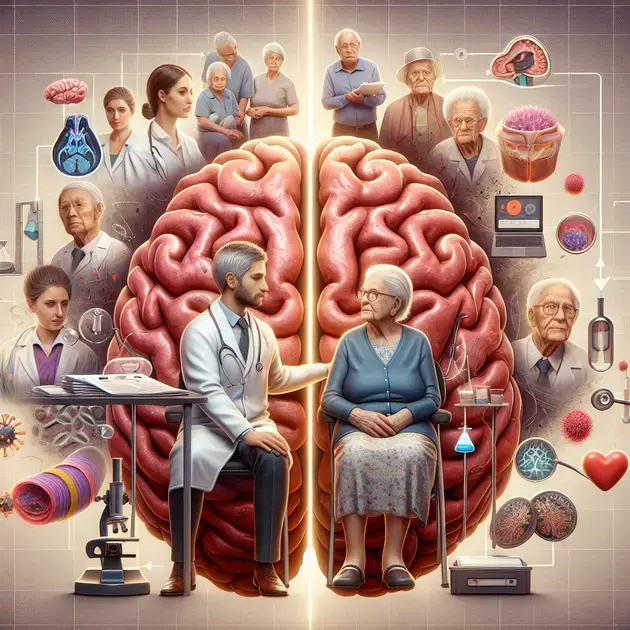
Alzheimer’s and Dementia are both cognitive disorders, but there are key differences between them. Alzheimer’s is a specific type of dementia and is characterized by memory loss and cognitive decline that worsens over time. On the other hand, Dementia is an umbrella term used to describe a range of symptoms affecting memory, thinking, and social abilities severely enough to interfere with daily functioning.
Understanding Alzheimer’s and Dementia:
To learn more about the key differences between Alzheimer’s and Dementia, visit the Alzheimer’s Association website at www.alz.org. They provide detailed information on each condition, their symptoms, risk factors, and available treatments.
Seeking Medical Advice:
If you or a loved one are experiencing memory loss or cognitive decline, it’s essential to seek medical advice promptly. Schedule an appointment with a neurologist or geriatrician to undergo a comprehensive evaluation. To find a specialist near you, use the Healthgrades app to search for healthcare providers in your area.
Understanding Treatment Options:
While there is no cure for Alzheimer’s or Dementia, early detection and intervention can help manage symptoms and improve quality of life. The National Institute on Aging (NIA) offers valuable resources on treatment options and clinical trials. Visit their website at www.nia.nih.gov to explore available treatments and research opportunities.
Symptoms to Watch For
Recognizing the early signs of Alzheimer’s and Dementia is crucial for timely intervention. Common symptoms include memory loss, confusion, disorientation, and trouble with language or problem-solving skills. If you notice these symptoms in yourself or a loved one, it’s important to consult a healthcare professional immediately.
Monitoring Cognitive Changes:
Track any cognitive changes or behaviors that seem out of the ordinary. Use apps like Cognitive Assessment & Monitoring on the App Store to assess memory, attention, and executive function regularly. These tools can help you monitor cognitive health and provide valuable data to healthcare providers.
Consulting a Specialist:
If you suspect Alzheimer’s or Dementia based on observed symptoms, consider seeking a consultation with a neuropsychologist. The American Academy of Clinical Neuropsychology (AACN) offers a directory of board-certified professionals on their website at www.theaacn.org. Schedule a comprehensive neuropsychological evaluation to assess cognitive function and determine the best course of action.
Support and Education:
Joining support groups or educational programs can offer valuable insights and emotional support for individuals affected by Alzheimer’s or Dementia. The Alzheimer’s Foundation of America (AFA) provides online resources and virtual support groups. Visit www.alzfdn.org to access educational materials and connect with others facing similar challenges.
Diagnosis and Treatment Options
Diagnosing Alzheimer’s and Dementia involves a comprehensive evaluation by healthcare professionals specializing in cognitive disorders. Various tests, including brain imaging and cognitive assessments, may be conducted to determine the underlying cause of symptoms.
Medical Imaging Procedures:
To assess brain structure and detect any abnormalities, physicians may recommend MRI or CT scans. These imaging procedures provide detailed insights into the brain’s health and help in diagnosing conditions such as Alzheimer’s or Dementia. Consult with a radiologist for further guidance on imaging options.
Exploring Medication and Therapies:
Once diagnosed, treatment plans may include medications to manage symptoms and therapies to support cognitive function. Visit the Mayo Clinic’s website at www.mayoclinic.org for information on drug options, clinical trials, and alternative therapies available for individuals with Alzheimer’s or Dementia.
Lifestyle Modifications:
Adopting a healthy lifestyle with regular physical exercise, mental stimulation, and a balanced diet can positively impact cognitive health. The Alzheimer’s Prevention Registry provides tips and resources to promote brain health and reduce the risk of developing Alzheimer’s disease. Register at www.endalznow.org to access valuable information on preventive strategies.

Understanding the Variances
Understanding the variances between Alzheimer’s disease and dementia is crucial in providing appropriate care and management strategies for individuals affected by these conditions. While Alzheimer’s disease is a specific type of dementia, dementia is an umbrella term that encompasses a range of cognitive impairments. Alzheimer’s disease is characterized by the gradual decline of memory and cognitive function, whereas dementia can stem from various underlying causes, such as vascular issues or neurological conditions.
One key difference between Alzheimer’s disease and dementia is the progression and symptoms exhibited by individuals. Alzheimer’s disease typically follows a predictable pattern of decline, starting with memory loss and progressing to difficulties with language, reasoning, and daily tasks. On the other hand, dementia symptoms can vary widely depending on the underlying cause, resulting in different progression rates and manifestations of cognitive impairment.
Diagnosing the difference between Alzheimer’s disease and dementia involves comprehensive medical assessments, including cognitive tests, brain imaging, and medical history reviews. Proper diagnosis is essential for developing tailored management strategies and care plans to address the specific needs and challenges faced by individuals with these conditions.
Effective management of Alzheimer’s disease and dementia focuses on enhancing quality of life, maintaining independence, and addressing behavioral and cognitive symptoms. Caregivers and healthcare professionals play a vital role in providing support, guidance, and specialized interventions to optimize the well-being of individuals living with these conditions.
Management Strategies and Care
Implementing appropriate management strategies and care practices is essential for ensuring the well-being and comfort of individuals with Alzheimer’s disease and dementia. Person-centered care approaches that prioritize individual preferences, routines, and abilities can enhance the quality of life for those affected by these conditions.
Creating a structured environment with familiar routines and cues can help individuals with Alzheimer’s disease and dementia feel more secure and oriented. Providing opportunities for social engagement, cognitive stimulation, and physical activity can promote overall well-being and cognitive function.
Managing behavioral symptoms such as agitation, aggression, and wandering requires a multifaceted approach that addresses underlying causes and triggers. Non-pharmacological interventions, such as music therapy, art therapy, and sensory stimulation, can be effective in managing behavioral symptoms and improving emotional well-being.
Engaging family members and caregivers in the care process is vital for ensuring continuity of care and support for individuals with Alzheimer’s disease and dementia. Education and training programs can equip caregivers with the knowledge and skills needed to provide high-quality care and support for their loved ones.
Regular monitoring and communication with healthcare providers are important for adjusting care plans, addressing emerging needs, and ensuring optimal management of Alzheimer’s disease and dementia symptoms. Collaboration between healthcare professionals, caregivers, and individuals with dementia is key to promoting holistic care and improving outcomes.
Research Developments in the Field
Ongoing research in the field of Alzheimer’s disease and dementia is advancing our understanding of the underlying mechanisms, risk factors, and treatment options for these conditions. Researchers are exploring novel approaches to early diagnosis, disease-modifying therapies, and innovative care interventions to improve outcomes for individuals with Alzheimer’s disease and dementia.
Advancements in neuroimaging techniques, biomarker analysis, and genetic studies are enhancing early detection and prognostication of Alzheimer’s disease, enabling targeted interventions at the earliest stages of the disease process. Early intervention is crucial for delaying disease progression and preserving cognitive function in affected individuals.
Clinical trials investigating pharmacological and non-pharmacological interventions are evaluating potential treatment options for Alzheimer’s disease and dementia. Targeted therapies that address specific disease pathways, such as beta-amyloid accumulation and neuroinflammation, hold promise for slowing disease progression and improving symptom management.
The integration of technology, such as wearable devices, remote monitoring systems, and telehealth services, is revolutionizing dementia care delivery and enhancing access to specialized care for individuals living with Alzheimer’s disease and dementia. Technology-driven interventions offer new opportunities for personalized care, behavioral monitoring, and caregiver support.
Collaborative research initiatives involving multidisciplinary teams, advocacy organizations, and healthcare providers are driving innovation in the field of Alzheimer’s disease and dementia care. By fostering partnerships and sharing knowledge, researchers aim to develop comprehensive solutions that address the complex needs of individuals with these conditions and ultimately improve their quality of life.
Conclusion
In conclusion, understanding the differences between Alzheimer’s and Dementia is crucial for timely diagnosis and intervention. While Alzheimer’s is a specific type of dementia characterized by progressive memory loss and cognitive decline, dementia encompasses a broader range of cognitive impairments. Recognizing the early symptoms, such as memory loss and confusion, and seeking medical advice promptly can lead to effective management strategies and improved quality of life.
To address the variances between these conditions, comprehensive medical assessments, including cognitive tests and imaging procedures, are essential for accurate diagnosis and tailored care plans. Effective management strategies focus on enhancing cognitive health, maintaining independence, and addressing behavioral symptoms through a person-centered approach. Engaging family members and caregivers, along with collaboration with healthcare professionals, plays a vital role in promoting holistic care and positive outcomes for individuals with Alzheimer’s and Dementia.
As research continues to advance, exploring innovative therapies and technological interventions offers promising possibilities for early detection and targeted treatment options. Ongoing clinical trials and collaborative research initiatives aim to improve outcomes and quality of life for those affected by Alzheimer’s and Dementia. By staying informed, seeking expert guidance, and utilizing available resources, individuals can navigate the complexities of these cognitive disorders with better understanding and support.

