
High blood pressure, also known as hypertension, is a common condition that affects a significant percentage of the population worldwide. Understanding high blood pressure levels is crucial for overall health and well-being. In this post, we will explore what is considered too high when it comes to blood pressure readings.
With the increased prevalence of sedentary lifestyles and poor dietary choices, high blood pressure has become a major health concern in many countries. It is important to be aware of the different categories of blood pressure levels and their implications for health. Let’s delve into the specifics of what is considered too high when monitoring your blood pressure.
The Impact of High Blood Pressure on Health
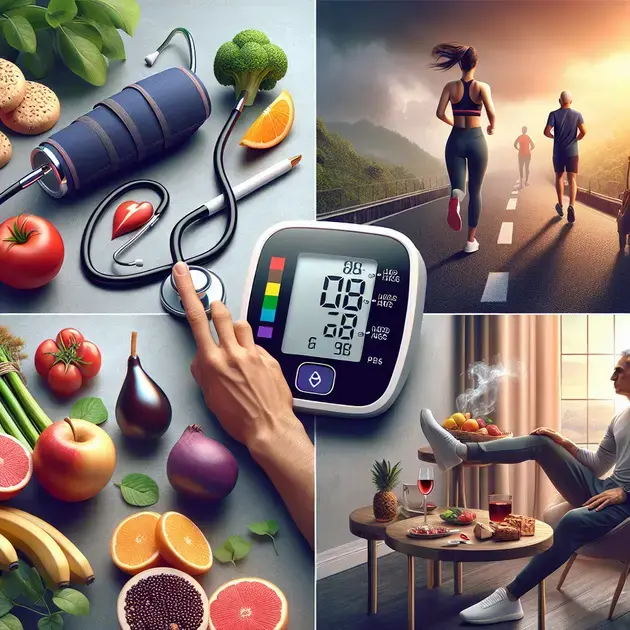
High blood pressure, also known as hypertension, can have severe consequences on an individual’s health if not properly managed. It is often referred to as the “silent killer” because it usually does not present any symptoms until it has caused damage to the heart, blood vessels, or other organs. Understanding the impact of high blood pressure on health is crucial for preventing complications and maintaining overall well-being.
Identifying the Different Categories of Blood Pressure Levels
It is essential to be aware of the different categories of blood pressure levels to understand where your readings fall and the potential risks associated with each category. The American Heart Association provides guidelines for classifying blood pressure into several categories:
- Normal: Blood pressure below 120/80 mmHg
- Elevated: Systolic between 120-129 and diastolic below 80 mmHg
- Stage 1 hypertension: Systolic between 130-139 or diastolic between 80-89 mmHg
- Stage 2 hypertension: Systolic at least 140 or diastolic at least 90 mmHg
- Hypertensive crisis: Systolic over 180 and/or diastolic over 120 mmHg
Identifying your blood pressure level is the first step in managing your cardiovascular health. You can monitor your blood pressure at home using a digital blood pressure monitor, such as the Omron Platinum Blood Pressure Monitor. This device provides accurate readings and stores data for tracking trends over time.
To determine your blood pressure category, measure your blood pressure following the instructions provided with the monitor. If your readings consistently fall within the elevated or hypertensive range, consult with your healthcare provider for further evaluation and management.
Monitoring Your Blood Pressure: What is Considered Too High?
Regular monitoring of your blood pressure is essential for early detection of hypertension and effective management. Understanding what is considered too high can help you take proactive steps to maintain a healthy blood pressure level. Generally, a blood pressure reading above 130/80 mmHg is considered elevated and may indicate the need for lifestyle changes or medication.
To monitor your blood pressure accurately, ensure you are in a relaxed state and have not consumed caffeine or tobacco products within 30 minutes before measurement. Use a validated blood pressure monitor, such as the QardioArm Wireless Blood Pressure Monitor, and follow the instructions for proper placement and usage.
Record your blood pressure readings regularly and track any trends or fluctuations. If your measurements consistently show high readings, schedule a visit with your healthcare provider to discuss possible interventions and treatment options. By monitoring your blood pressure diligently, you can reduce the risks associated with hypertension and prioritize your cardiovascular health.
Understanding High Blood Pressure Levels: What is Considered Too High?
High blood pressure, also known as hypertension, is a common condition that affects many people worldwide. It is important to understand what levels of blood pressure are considered too high in order to prevent potential health risks. Blood pressure readings are typically given as two numbers, with the systolic pressure (top number) representing the pressure in the arteries when the heart beats, and the diastolic pressure (bottom number) representing the pressure in the arteries when the heart is at rest.
According to the American Heart Association, blood pressure readings are categorized as follows:
Normal:
A normal blood pressure reading is typically considered to be around 120/80 mm Hg. This indicates that your blood pressure is within a healthy range and you are at a lower risk of developing health issues related to high blood pressure.
Elevated:
If your blood pressure readings consistently fall between 120-129 for the systolic pressure and less than 80 for the diastolic pressure, you may have elevated blood pressure. While not classified as high blood pressure, elevated blood pressure should still be monitored closely to prevent it from escalating.
Stage 1 Hypertension:
Stage 1 hypertension is diagnosed when your blood pressure readings consistently range from 130-139 for the systolic pressure or 80-89 for the diastolic pressure. At this stage, lifestyle changes and possibly medication may be recommended to help manage your blood pressure.
Stage 2 Hypertension:
Stage 2 hypertension is diagnosed when your blood pressure readings consistently exceed 140 for the systolic pressure or 90 for the diastolic pressure. This level of hypertension requires medical attention and treatment to reduce the risk of complications such as heart disease, stroke, and kidney problems.
Hypertensive Crisis:
A hypertensive crisis occurs when blood pressure readings suddenly spike to 180/120 mm Hg or higher. This is a medical emergency that requires immediate attention to prevent life-threatening complications.
Exploring the Factors That Influence Blood Pressure Readings
Various factors can influence blood pressure readings, both temporarily and in the long term. Understanding these factors can help individuals maintain better control over their blood pressure levels and overall health. Some of the key factors that can impact blood pressure readings include:
Diet and Nutrition:
Consuming a diet high in sodium, saturated fats, and processed foods can contribute to high blood pressure. On the other hand, a diet rich in fruits, vegetables, whole grains, and lean proteins can help lower blood pressure levels and improve overall health.
Physical Activity:
Regular physical activity is essential for maintaining healthy blood pressure levels. Engaging in aerobic exercise, such as brisk walking, swimming, or cycling, can help lower blood pressure and improve cardiovascular health.
Stress Levels:
Chronic stress can lead to elevated blood pressure levels. Finding healthy ways to manage stress, such as meditation, yoga, or deep breathing exercises, can help reduce blood pressure and promote relaxation.
Smoking and Alcohol Consumption:
Smoking and excessive alcohol consumption can contribute to high blood pressure. Quitting smoking and moderating alcohol intake can help improve blood pressure readings and reduce the risk of related health problems.
Obesity:
Being overweight or obese is a major risk factor for high blood pressure. Maintaining a healthy weight through proper diet and exercise can significantly lower blood pressure and decrease the risk of heart disease and other complications.
Tips for Managing High Blood Pressure at Home
Managing high blood pressure at home is crucial for overall health and well-being. By adopting healthy lifestyle habits and making positive changes, individuals can effectively control their blood pressure levels. Here are some tips for managing high blood pressure at home:
Monitor Your Blood Pressure Regularly:
Invest in a reliable blood pressure monitor and track your readings at home. Keeping a record of your blood pressure measurements can help you and your healthcare provider monitor your progress and make necessary adjustments to your treatment plan.
Follow a Heart-Healthy Diet:
Focus on incorporating a variety of nutrient-rich foods into your diet, such as fruits, vegetables, whole grains, lean proteins, and healthy fats. Limit your intake of sodium, processed foods, and sugary beverages to help lower blood pressure levels.
Stay Active:
Aim to engage in at least 150 minutes of moderate-intensity aerobic exercise per week. Activities like walking, jogging, swimming, or cycling can help improve cardiovascular health and lower blood pressure.
Manage Stress:
Practice stress-reducing techniques such as meditation, deep breathing exercises, yoga, or tai chi. By reducing stress levels, you can help lower your blood pressure and improve overall well-being.
Avoid Tobacco and Excess Alcohol:
Quit smoking and limit alcohol consumption to lower your blood pressure and reduce the risk of associated health complications.
Maintain a Healthy Weight:
Work towards achieving and maintaining a healthy weight through a combination of balanced diet and regular physical activity. Losing excess weight can significantly reduce blood pressure levels and improve overall health.
Conclusion
In conclusion, understanding high blood pressure levels is essential for preventing potential health risks associated with hypertension. By knowing the different categories of blood pressure readings, ranging from normal to hypertensive crisis, individuals can take proactive steps to manage their blood pressure effectively.
Factors Affecting Blood Pressure
Exploring the factors that influence blood pressure readings reveals the importance of maintaining a balanced diet, engaging in regular physical activity, managing stress levels, avoiding smoking and excessive alcohol consumption, and maintaining a healthy weight. These lifestyle choices play a significant role in controlling blood pressure and promoting overall well-being.
Home Management Tips
Managing high blood pressure at home is crucial for long-term health. By monitoring blood pressure regularly, following a heart-healthy diet, staying active, managing stress effectively, avoiding tobacco and excess alcohol, and maintaining a healthy weight, individuals can take charge of their cardiovascular health and reduce the risk of hypertension-related complications.

