
Today, more and more young people are becoming aware of the impact of Alzheimer’s Disease, a condition that affects millions of individuals worldwide. In this comprehensive guide, 7th graders will gain a better understanding of the causes, symptoms, and treatments associated with Alzheimer’s Disease.
Recent studies have shown that early education about Alzheimer’s Disease can help reduce stigma and improve empathy towards those living with the condition. By learning about the complexities of this disease at a young age, 7th graders can play a crucial role in creating a more inclusive and supportive community for individuals affected by Alzheimer’s.
Understanding Alzheimer’s Disease in Simple Terms
Alzheimer’s disease is a neurodegenerative disorder that affects the brain, leading to memory loss, cognitive decline, and behavioral changes. To understand this disease in simple terms, it’s important to break down its key components.
1. **Symptoms:** The first step in understanding Alzheimer’s is recognizing the common symptoms. Memory loss, confusion, difficulty in completing familiar tasks, and changes in mood or behavior are some early signs to look out for. Apps like the Alzheimer’s Association’s “Alzheimer’s Navigator” provide detailed information on symptoms and progression.
2. **Diagnosis:** Getting a proper diagnosis is crucial. Doctors use cognitive tests, brain imaging, and medical history to diagnose Alzheimer’s. Websites like the Mayo Clinic offer step-by-step guides on how to seek a diagnosis and what to expect during the process.
3. **Treatment:** While there is no cure for Alzheimer’s, early intervention can help manage symptoms and improve quality of life. Medications, lifestyle changes, and therapy are common treatment options. The Alzheimer’s Society website offers insights into different treatment approaches and their effectiveness.
4. **Support:** People living with Alzheimer’s need a strong support system. Caregivers, family members, and friends play a vital role in providing emotional and practical support. Online communities like “AlzConnected” offer a platform for caregivers to connect, share experiences, and seek advice.
5. **Research:** Staying informed about the latest research and advancements in Alzheimer’s treatment is crucial. Websites like the Alzheimer’s Research Forum provide updates on ongoing research studies, clinical trials, and potential breakthroughs in the field.
The Importance of Early Education on Alzheimer’s Disease
Early education on Alzheimer’s disease is essential in raising awareness, promoting early detection, and fostering a supportive community for those affected. Here’s a comprehensive guide on how to incorporate early education initiatives:
1. **School Programs:** Introducing Alzheimer’s education in school curriculums can help students understand the disease and reduce stigma. Websites like the Alzheimer’s Foundation of America offer educational resources for teachers to integrate Alzheimer’s lessons into their classes.
2. **Community Workshops:** Organizing workshops and seminars in local communities can increase knowledge about Alzheimer’s risk factors, symptoms, and available resources. Platforms like Eventbrite can help in promoting and managing community education events.
3. **Collaboration with Healthcare Providers:** Partnering with healthcare providers to conduct educational sessions on Alzheimer’s can reach a wider audience. Apps like Zoom or Webex can facilitate virtual workshops and discussions with medical experts.
4. **Media Campaigns:** Leveraging social media platforms and traditional media channels for awareness campaigns can amplify the message about Alzheimer’s education. Platforms like Canva provide templates for creating visually engaging educational materials.
5. **Support Groups:** Establishing support groups for individuals impacted by Alzheimer’s can offer a platform for sharing experiences, seeking guidance, and accessing resources. Websites like Meetup can help in creating and promoting local support group meetings.
Empowering 7th Graders to Make a Difference
Empowering 7th graders to make a difference in the fight against Alzheimer’s can instill a sense of purpose and social responsibility at a young age. Here’s a step-by-step guide on how to engage 7th graders in impactful activities:
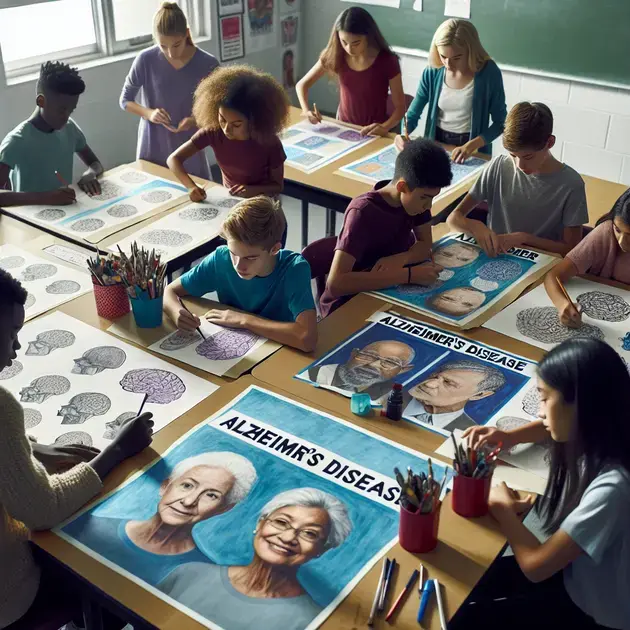
1. **Awareness Projects:** Encourage students to create awareness posters, presentations, or videos about Alzheimer’s disease to educate their peers and the community. Websites like Canva and Powtoon offer user-friendly tools for creating visual content.
2. **Fundraising Events:** Organize fundraising events such as bake sales, charity runs, or online campaigns to raise funds for Alzheimer’s research and support organizations. Platforms like GoFundMe can help in creating and managing fundraising campaigns.
3. **Volunteer Opportunities:** Provide information on volunteering at local nursing homes or Alzheimer’s care facilities to engage students in direct impact activities. Websites like VolunteerMatch can connect students with volunteer opportunities in their area.
4. **Policy Advocacy:** Teach students about the importance of advocating for Alzheimer’s-related policies and reforms at local and national levels. Platforms like Change.org and Countable offer resources for starting online petitions and contacting policymakers.
5. **Intergenerational Programs:** Facilitate intergenerational programs where 7th graders can interact with seniors affected by Alzheimer’s, fostering empathy, understanding, and meaningful connections. Apps like Zoom or Skype can enable virtual intergenerational activities.

**Understanding Alzheimer’s Disease in Simple Terms**
Understanding Alzheimer’s Disease in Simple Terms
Alzheimer’s disease is a progressive neurological disorder that affects a person’s memory and thinking abilities. It is the most common cause of dementia among older adults, gradually worsening over time. The exact cause of Alzheimer’s is not yet fully understood, but it is believed to involve a combination of genetic, environmental, and lifestyle factors. As the disease progresses, individuals may experience difficulties with language, decision-making, and performing daily tasks.
One key characteristic of Alzheimer’s is the presence of abnormal protein deposits in the brain known as amyloid plaques and tau tangles. These deposits interfere with the communication between brain cells, leading to cell damage and eventually cell death. This disruption in normal brain function is what causes the symptoms associated with Alzheimer’s disease.
Early diagnosis is crucial in managing Alzheimer’s disease as it allows for the implementation of appropriate treatment and support strategies. While there is currently no cure for Alzheimer’s, certain medications and therapies can help alleviate symptoms and improve quality of life. Additionally, lifestyle interventions such as engaging in regular physical activity, a healthy diet, and social activities may help slow the progression of the disease.
It is important for both individuals and caregivers to have a basic understanding of Alzheimer’s disease to better cope with its challenges. By recognizing the symptoms early on and seeking medical guidance, individuals can receive the necessary care and support to maintain their independence and well-being for as long as possible.
**The Importance of Early Education on Alzheimer’s Disease**
The Importance of Early Education on Alzheimer’s Disease
Education plays a crucial role in raising awareness about Alzheimer’s disease and promoting early intervention. By equipping individuals with knowledge about the warning signs and risk factors associated with the disease, early education can lead to timely diagnosis and intervention, which are essential in managing the progression of Alzheimer’s.
Moreover, early education on Alzheimer’s disease helps reduce the stigma surrounding the condition and fosters a more supportive and inclusive environment for individuals affected by the disease. By promoting understanding and empathy, education can encourage greater acceptance and compassion toward those living with Alzheimer’s and their caregivers.
Engaging in educational initiatives aimed at Alzheimer’s disease also enables individuals to make informed decisions about their health and lifestyle choices. By understanding the impact of factors such as diet, exercise, and cognitive stimulation on brain health, individuals can proactively take steps to reduce their risk of developing Alzheimer’s or delay its onset.
Furthermore, early education on Alzheimer’s disease empowers individuals to plan for the future and make necessary arrangements to ensure their well-being as the disease progresses. By learning about available resources, support services, and legal considerations, individuals can make informed decisions regarding their care preferences and financial matters.
Overall, investing in early education on Alzheimer’s disease is essential in promoting brain health, fostering a supportive community, and empowering individuals to take control of their cognitive well-being. By raising awareness and advocating for education initiatives, we can collectively work towards a future where everyone has access to the information and resources needed to confront Alzheimer’s disease with knowledge and resilience.
**Empowering 7th Graders to Make a Difference**
Empowering 7th Graders to Make a Difference
Empowering seventh graders to make a difference in the fight against Alzheimer’s disease is a valuable opportunity to instill compassion, awareness, and advocacy skills at a young age. By educating students about the impact of Alzheimer’s on individuals, families, and society, we can inspire a sense of empathy and a desire to take action to support those affected by the disease.
One powerful way to empower seventh graders is to provide them with opportunities for hands-on involvement in Alzheimer’s-related initiatives, such as fundraising events, awareness campaigns, or volunteering at local care facilities. By actively engaging with the cause, students can develop a deeper understanding of the challenges faced by individuals living with Alzheimer’s and contribute meaningfully to efforts aimed at improving their quality of life.
Empowering seventh graders to make a difference also involves fostering creativity and critical thinking skills to develop innovative solutions to address the impact of Alzheimer’s disease on individuals and communities. By encouraging students to explore different perspectives, brainstorm ideas, and collaborate with their peers, we can cultivate a generation of young advocates who are passionate about making a positive change in the world.
Furthermore, providing seventh graders with age-appropriate resources and educational materials on Alzheimer’s disease can equip them with the knowledge and tools necessary to raise awareness and educate others in their school and community. By empowering students to become ambassadors for the cause, we can create a ripple effect of compassion and support that extends beyond the classroom.
In conclusion, by empowering seventh graders to make a difference in the fight against Alzheimer’s disease, we not only nurture their sense of social responsibility and empathy but also pave the way for a future generation that is committed to making a positive impact on the lives of those affected by this challenging condition.
Conclusion
Understanding Alzheimer’s disease is crucial for individuals and caregivers to navigate the challenges associated with this progressive neurological disorder. By recognizing the early symptoms and seeking timely medical intervention, individuals can access necessary care and support to maintain their well-being and independence as much as possible. It is evident that early diagnosis plays a vital role in managing Alzheimer’s disease and implementing appropriate treatment strategies to alleviate symptoms and enhance the quality of life. Moreover, lifestyle interventions such as regular physical activity, a nutritious diet, and social engagement can help slow down the progression of the disease, highlighting the importance of holistic approaches to care.
The significance of early education on Alzheimer’s disease cannot be overstated as it promotes awareness, reduces stigma, and leads to informed decision-making regarding health and lifestyle choices. Educating individuals about the warning signs and risk factors enables timely diagnosis and intervention, crucial for managing the disease’s progression effectively. By fostering a supportive and inclusive environment through education, there is an opportunity to cultivate empathy, understanding, and compassion towards those impacted by Alzheimer’s, promoting a more compassionate society.
Empowering seventh graders to make a difference in the fight against Alzheimer’s disease is a compelling approach to instill compassion, awareness, and advocacy skills at a young age. By engaging students in hands-on initiatives, such as fundraising events and volunteering, they can develop a deeper understanding of the challenges faced by individuals living with Alzheimer’s and contribute meaningfully to improving their quality of life. Encouraging critical thinking and creativity among students fosters innovative solutions to address the impact of Alzheimer’s on individuals and communities, paving the way for a generation committed to making a positive impact on those affected by the disease.

