
When it comes to improving gut health, one of the most effective ways is through the consumption of top foods that are known to promote a healthy digestive system. These foods are not only delicious but also packed with nutrients that can help support the growth of beneficial gut bacteria.
In this blog post, we will explore some of the top foods to improve gut health, backed by recent scientific research. By incorporating these foods into your diet, you can potentially enhance your overall digestive health and well-being.
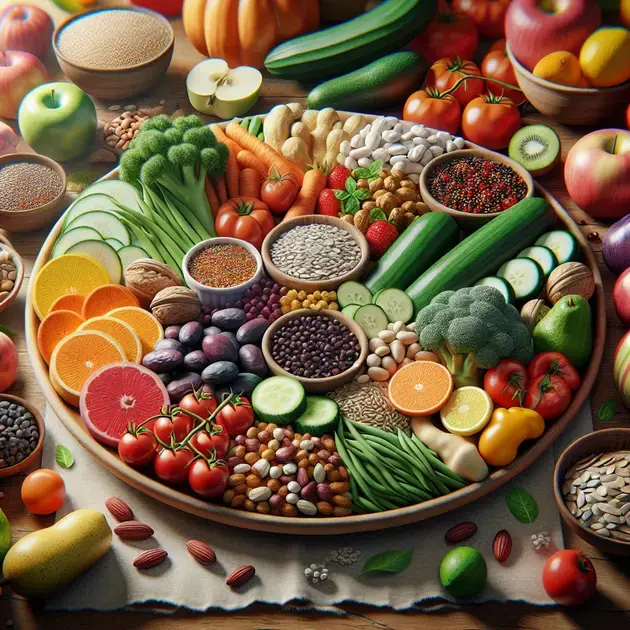
Foods with Probiotics and Prebiotics for Gut Health
Probiotics and prebiotics are essential for maintaining a healthy gut. Probiotics are live bacteria and yeasts that are good for your digestive system, while prebiotics are a type of fiber that serves as food for probiotics. Including foods rich in probiotics and prebiotics in your diet can help improve digestion, boost immunity, and promote overall gut health.
One easy way to incorporate probiotics into your diet is by consuming yogurt. Look for yogurt brands that specifically mention live and active cultures on the label, as these contain probiotics. Another option is kefir, a fermented milk drink that is packed with probiotics. You can find these products at your local grocery store or health food store.
On the other hand, prebiotics can be found in foods like bananas, onions, garlic, and whole grains. These foods contain fibers that help nourish the beneficial bacteria in your gut. Adding these ingredients to your meals can support the growth of probiotics and improve gut health.
To further boost your intake of probiotics and prebiotics, consider taking supplements. There are many probiotic and prebiotic supplements available in the market, such as Culturelle and Align. These products can provide a concentrated source of beneficial bacteria and fibers to support your gut health.
In addition to specific foods and supplements, fermented foods like kimchi, sauerkraut, and miso are also rich in probiotics. Including a variety of these foods in your diet can help diversify the types of beneficial bacteria in your gut, leading to a more balanced and healthy microbiome.
Top Fermented Foods for Gut Health
Fermented foods are great for gut health as they are packed with beneficial probiotics that can support digestion and boost immunity. Incorporating a variety of fermented foods into your diet can help promote a healthy balance of gut bacteria and improve overall gut function.
One popular fermented food is kombucha, a fizzy drink made from fermented tea. You can find kombucha in most health food stores or even make your own at home using a kombucha starter kit, which typically includes a SCOBY (symbiotic culture of bacteria and yeast) and instructions on how to brew your own kombucha.
Another delicious fermented food is kimchi, a spicy Korean side dish made from fermented vegetables, such as cabbage and radishes. You can find kimchi in Asian grocery stores or try making your own using a kimchi fermentation kit, which includes all the necessary ingredients and instructions for fermenting at home.
Sauerkraut is another popular fermented food that is made from fermented cabbage. You can enjoy sauerkraut as a topping for sandwiches or salads, or simply eat it on its own as a side dish. Look for sauerkraut in the refrigerated section of your grocery store for the best quality and probiotic content.
Adding these top fermented foods to your diet can help improve your gut health and support a diverse microbiome. Experiment with different fermented foods to find the ones that you enjoy the most and incorporate them into your meals regularly for optimal gut health benefits.
Best High-Fiber Foods for Gut Health
High-fiber foods are crucial for maintaining a healthy gut as fiber helps promote regular bowel movements, supports the growth of beneficial gut bacteria, and aids in digestion. Including a variety of high-fiber foods in your diet can help improve overall gut health and reduce the risk of digestive issues.
One of the best sources of fiber is beans, which are not only rich in fiber but also a great source of protein. Incorporate beans like lentils, chickpeas, and black beans into soups, salads, and stews to increase your fiber intake and support gut health.
Another excellent high-fiber food is chia seeds, which are also rich in omega-3 fatty acids. You can sprinkle chia seeds on top of yogurt, oatmeal, or smoothies to add an extra boost of fiber to your meals. Chia seeds can be found in most grocery stores or online at health food retailers.
Whole grains like quinoa, brown rice, and oats are excellent sources of fiber that can help promote healthy digestion. Swap out refined grains for whole grains in your meals to increase your fiber intake and support gut health. Look for whole grain products at your local grocery store or bulk food store.
Including plenty of fruits and vegetables in your diet is another great way to boost your fiber intake and support gut health. Fruits like berries, apples, and pears, as well as vegetables like broccoli, Brussels sprouts, and carrots, are all rich in fiber and can help promote a healthy gut microbiome.
By incorporating these high-fiber foods into your daily meals, you can support a healthy gut, improve digestion, and enhance overall well-being. Experiment with different fiber-rich foods and recipes to find delicious ways to increase your fiber intake and promote gut health.
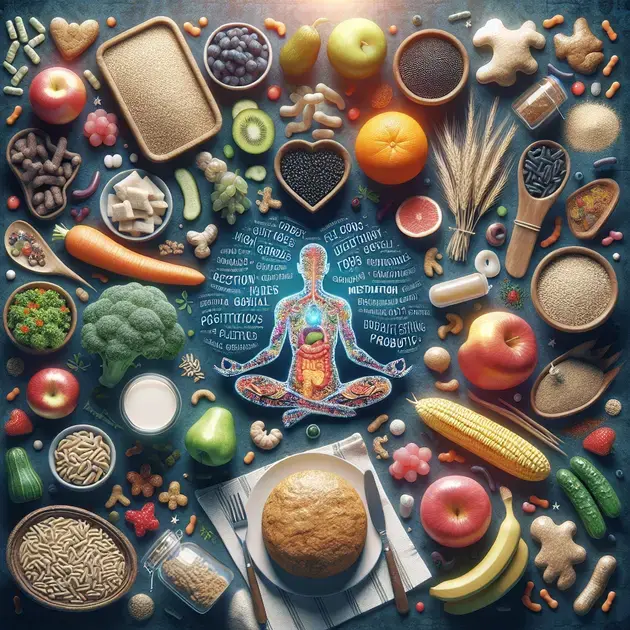
Diverse Plant-Based Foods for Gut Health
When it comes to promoting gut health, incorporating a variety of plant-based foods into your diet can be incredibly beneficial. These foods are rich in fiber, vitamins, and antioxidants that support the growth of beneficial bacteria in the gut. Some diverse plant-based foods that are particularly good for gut health include:
1. Leafy Greens
Leafy greens such as spinach, kale, and Swiss chard are excellent sources of fiber and magnesium, both of which are important for gut health. They also contain high levels of vitamins A and C, which can help reduce inflammation in the gut.
2. Berries
Blueberries, raspberries, and strawberries are not only delicious but also packed with antioxidants that can help reduce oxidative stress in the gut. These fruits are also high in fiber, which can promote healthy digestion and regular bowel movements.
3. Whole Grains
Foods like quinoa, brown rice, and whole wheat pasta are rich in fiber and essential nutrients that support a diverse gut microbiota. They can help regulate blood sugar levels and promote the growth of beneficial bacteria in the gut.
4. Legumes
Beans, lentils, and chickpeas are excellent sources of plant-based protein and fiber, which are both important for gut health. They can help reduce inflammation in the gut and support the growth of beneficial bacteria.
5. Fermented Foods
Foods like sauerkraut, kimchi, and kombucha are rich in probiotics, which are beneficial bacteria that can help improve gut health. These fermented foods can help balance the gut microbiota and support digestion.
Simple Ways to Improve Digestive Health
Improving digestive health is essential for overall well-being and can be achieved through some simple lifestyle changes. By incorporating the following practices into your daily routine, you can support a healthy gut:
1. Stay Hydrated
Drinking an adequate amount of water throughout the day is essential for healthy digestion. Water helps move food through the digestive tract and prevents constipation, promoting regular bowel movements.
2. Eat Mindfully
Practicing mindful eating, such as chewing food slowly and avoiding distractions, can improve digestion. Mindful eating allows your body to properly break down and absorb nutrients from food.
3. Exercise Regularly
Regular physical activity can help stimulate digestion and promote bowel regularity. Exercise also reduces stress levels, which can have a positive impact on gut health.
4. Incorporate Probiotics
Adding probiotic-rich foods like yogurt, kefir, and kombucha to your diet can help maintain a healthy balance of gut bacteria. Probiotics support digestion and boost the immune system.
5. Manage Stress
Stress can have a significant impact on digestive health, leading to symptoms like bloating and indigestion. Engaging in stress-reducing activities such as yoga, meditation, or deep breathing exercises can support a healthy gut.
The Impact of Stress on Gut Microbiota
Chronic stress can disrupt the balance of gut microbiota, leading to digestive issues and compromising overall health. When the body is under stress, it triggers a “fight or flight” response that can affect the function of the digestive system. This disruption can result in symptoms such as abdominal pain, diarrhea, or constipation.
Effects of Stress on Gut Microbiota
Stress can alter the composition of gut bacteria, reducing the diversity of beneficial microbes and increasing the presence of harmful bacteria. This imbalance can weaken the gut barrier function and lead to inflammation, which is linked to various digestive disorders.
Strategies to Manage Stress for Gut Health
Managing stress is essential for maintaining a healthy gut microbiota. Incorporating stress-reducing practices such as mindfulness meditation, deep breathing exercises, and regular physical activity can help support a balanced gut microbiome. Prioritizing self-care and seeking support from a healthcare professional can also be beneficial in managing stress and promoting gut health.
Conclusion
Emphasizing a diverse range of plant-based foods in your diet is crucial for nurturing gut health. These nutrient-rich foods, abundant in fiber, vitamins, and antioxidants, play a vital role in supporting the growth of beneficial gut bacteria. Leafy greens like spinach and kale, along with berries such as blueberries and raspberries, provide essential nutrients that aid in reducing inflammation and promoting healthy digestion.
Additionally, incorporating whole grains like quinoa and legumes such as beans and chickpeas offers a significant source of fiber and plant-based protein, essential for maintaining gut health. Fermented foods like sauerkraut and kimchi, rich in probiotics, contribute to a balanced gut microbiota, enhancing digestion and overall well-being.
Simple lifestyle adjustments, including staying hydrated, practicing mindful eating, exercising regularly, integrating probiotics, and managing stress through activities like yoga and meditation, are fundamental in promoting optimal digestive health. Chronic stress can disrupt the gut microbiota, leading to digestive complications, emphasizing the importance of stress management for gut health.

