
When it comes to monitoring our health, keeping track of your blood pressure is crucial. In this step-by-step guide, we will walk you through the process of taking your blood pressure readings accurately at home.
With the advancement of technology, home blood pressure monitors have become more accessible and user-friendly. However, it’s essential to understand the correct way to measure your blood pressure to ensure accurate results and proper management of your health.
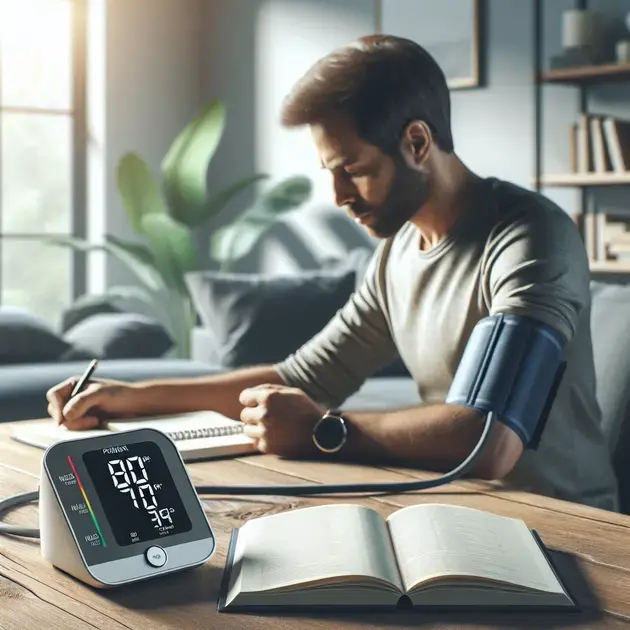
Taking Blood Pressure at Home: A Detailed Overview
When it comes to measuring blood pressure at home, it is crucial to ensure accurate readings for effective management of your health. With the advancements in technology, there are now various apps available that can assist you in monitoring your blood pressure levels at home. One such app is “Blood Pressure Diary,” which allows you to record your blood pressure readings, track trends, and set reminders for medication intake.
To start taking your blood pressure at home, you will need a reliable blood pressure monitor. Ensure that the cuff fits properly around your upper arm and sit in a quiet, comfortable position before taking the reading. It is recommended to avoid smoking, caffeine, and exercise at least 30 minutes before measuring your blood pressure.
Once you are ready, turn on the blood pressure monitor and wrap the cuff snugly around your arm. Rest your arm on a flat surface and keep it at heart level. Press the start button on the monitor to begin the reading. Make sure to stay still and avoid talking during the measurement process.
After the reading is complete, record the systolic and diastolic values along with the pulse rate in your monitoring app. Regularly reviewing and analyzing these readings can provide valuable insights into your blood pressure patterns and help you make informed decisions about your health and lifestyle.
Understanding the Importance of Accurate Readings
Accurate blood pressure readings are essential for the early detection of hypertension and other cardiovascular conditions. Inaccurate readings can lead to misdiagnosis or inappropriate treatment, putting your health at risk. By monitoring your blood pressure at home regularly, you can detect any abnormalities in your readings and consult with your healthcare provider promptly.
One way to ensure accurate readings is to follow the proper technique for measuring blood pressure. Make sure the cuff is the right size for your arm, and position yourself correctly before taking the reading. Additionally, avoid factors that can affect the results, such as a full bladder or crossing your legs during measurement.
Using a trusted app like “Heart Health Tracker” can help you track your blood pressure readings over time and provide visual representations of your progress. These insights can empower you to take control of your health and work towards maintaining optimal blood pressure levels.
Remember that blood pressure values fluctuate throughout the day, so it is advisable to take multiple readings at different times to get a comprehensive picture of your cardiovascular health. Consulting with a healthcare professional for personalized advice based on your home monitoring results is also crucial for effective management.
Tips for Proper Blood Pressure Management
In addition to monitoring your blood pressure at home, there are several lifestyle modifications you can incorporate to support healthy blood pressure levels. Start by maintaining a balanced diet rich in fruits, vegetables, whole grains, and lean proteins. Limit your intake of sodium, saturated fats, and refined sugars to promote heart health.
Regular physical activity is another key aspect of proper blood pressure management. Aim for at least 150 minutes of moderate exercise per week, such as brisk walking, cycling, or swimming. Physical activity not only helps control blood pressure but also boosts overall cardiovascular fitness.
Managing stress effectively is essential for keeping blood pressure in check. Practice relaxation techniques such as deep breathing, meditation, or yoga to reduce stress levels and promote mental well-being. Adequate sleep is also crucial for overall health, as poor sleep habits can negatively impact blood pressure.
Furthermore, avoiding tobacco and excessive alcohol consumption can significantly reduce the risk of developing hypertension and other heart-related conditions. By adopting these healthy habits and regularly monitoring your blood pressure at home, you can take proactive steps towards maintaining optimal cardiovascular health.
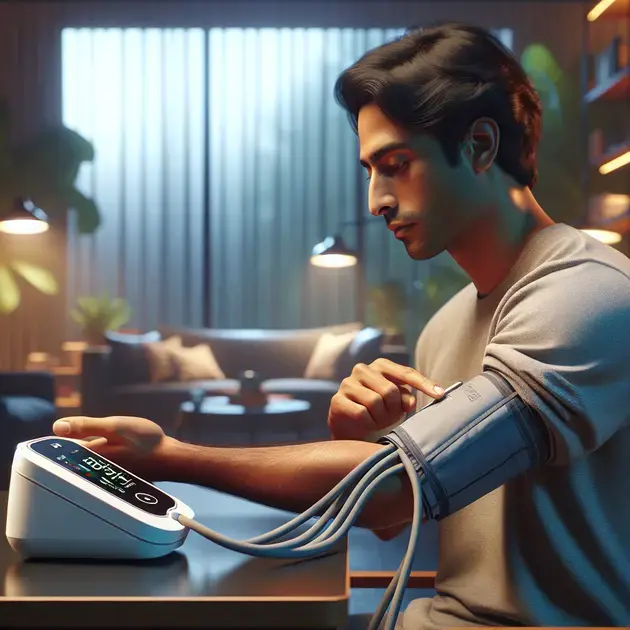
Monitoring Blood Pressure Levels Correctly
Monitoring your blood pressure levels correctly is crucial for maintaining your overall health and well-being. By accurately tracking your blood pressure measurements, you can identify any potential issues early on and take the necessary steps to manage them effectively. Here is a step-by-step guide on how to monitor your blood pressure levels correctly:
1. Use a Reliable Blood Pressure Monitor
The first step in monitoring your blood pressure levels correctly is to invest in a reliable blood pressure monitor. Choose a monitor that is easy to use and provides accurate readings. Make sure to read the instructions carefully before using the monitor.
2. Find a Quiet and Relaxing Environment
Before taking your blood pressure measurements, it is important to find a quiet and relaxing environment. Sit comfortably in a chair with your back supported and feet flat on the floor. Avoid any distractions that may affect the accuracy of your readings.
3. Rest for a Few Minutes Before Measuring
Prior to taking your blood pressure measurements, rest for a few minutes to allow your body to relax. Avoid any strenuous activities or consuming caffeine or nicotine, as these can affect your blood pressure readings.
4. Position the Cuff Correctly
Wrap the blood pressure cuff around your upper arm, positioning it correctly according to the instructions provided with your monitor. The cuff should be snug but not too tight. Make sure the tubing is aligned with your brachial artery.
5. Take Multiple Readings
For more accurate results, take multiple blood pressure readings at different times of the day. Keep a log of your measurements and share them with your healthcare provider during your appointments.
Key Factors in Recording Blood Pressure Measurements
Recording your blood pressure measurements accurately is essential for monitoring your cardiovascular health and making informed decisions about your well-being. By understanding the key factors involved in recording blood pressure measurements, you can ensure that your readings are reliable and consistent. Here are some key factors to consider:
1. Consistency in Measurement Technique
When recording your blood pressure measurements, it is important to maintain consistency in your measurement technique. Always use the same arm, position, and cuff size for accurate comparisons over time.
2. Proper Documentation of Readings
Keep a detailed record of your blood pressure readings, including the date, time of day, and any relevant factors such as medication or physical activity. This information can help healthcare professionals analyze trends and make appropriate recommendations.
3. Understanding Normal Range Values
Familiarize yourself with the normal range values for blood pressure measurements, including systolic and diastolic readings. Consult with your healthcare provider if you have any concerns about your readings falling outside the normal range.
4. Monitoring Trends and Patterns
Look for trends and patterns in your blood pressure measurements over time. Note any fluctuations or consistent changes in your readings, as this information can guide treatment decisions and lifestyle modifications.
5. Seeking Professional Guidance
If you have any questions or uncertainties about recording your blood pressure measurements, seek guidance from a healthcare professional. They can provide personalized advice and recommendations based on your individual health needs.
Effective Strategies for Blood Pressure Monitoring
Implementing effective strategies for monitoring your blood pressure can help you maintain a healthy cardiovascular system and reduce the risk of complications associated with hypertension. By following these strategies, you can proactively manage your blood pressure levels and work towards optimal health. Here are some effective strategies for blood pressure monitoring:
1. Regular Monitoring Schedule
Establish a regular schedule for monitoring your blood pressure, such as daily or weekly readings. Consistency in monitoring can help you track changes effectively and identify any potential issues early on.
2. Lifestyle Modifications
Make healthy lifestyle modifications to support optimal blood pressure levels, such as maintaining a balanced diet, engaging in regular physical activity, managing stress, and avoiding tobacco and excessive alcohol consumption.
3. Medication Adherence
If prescribed medication for hypertension, adhere to your treatment plan as directed by your healthcare provider. Take your medication as prescribed and attend follow-up appointments to monitor the effectiveness of your treatment.
4. Weight Management
Maintain a healthy weight through a combination of balanced diet and exercise. Excess weight can contribute to high blood pressure, so focusing on weight management can have a positive impact on your cardiovascular health.
5. Regular Healthcare Check-ups
Attend regular healthcare check-ups to monitor your blood pressure levels and overall cardiovascular health. Your healthcare provider can perform additional tests and evaluations to assess your risk factors and provide tailored recommendations for prevention and management.
Conclusion
Monitoring your blood pressure levels correctly is essential for safeguarding your health and well-being. By diligently tracking your blood pressure measurements, you can promptly detect any potential issues and take proactive steps to address them effectively. Following a structured approach to monitoring, as outlined in this guide, ensures accurate and reliable readings.
Utilizing Reliable Equipment
Invest in a trustworthy blood pressure monitor to ensure accurate results. Follow the manufacturer’s instructions meticulously, and select a monitor known for its precision and ease of use. Prioritizing the quality of your monitoring equipment is fundamental for dependable readings.
Maintaining Consistency and Documentation
To record blood pressure measurements effectively, maintain consistency in your measurement technique. Document readings meticulously, including relevant factors like time of day and any influencing variables. This detailed record is invaluable for healthcare professionals to analyze trends and provide tailored recommendations.
Embracing a Holistic Approach
Beyond tracking readings, implementing effective strategies for blood pressure monitoring is crucial. Establish a routine monitoring schedule, focus on lifestyle modifications such as a balanced diet and exercise, adhere to prescribed medications, manage weight effectively, and attend regular healthcare check-ups. Embracing these strategies empowers you to take control of your cardiovascular health proactively.

