
When it comes to overall health, maintaining healthy cholesterol levels is essential. High cholesterol levels can increase the risk of heart disease and stroke, making it crucial to keep cholesterol levels in check. With lifestyle changes and dietary adjustments, it’s possible to achieve and maintain optimal cholesterol levels.
Regular exercise, a diet rich in fruits, vegetables, and whole grains, as well as avoiding saturated and trans fats, can all play a significant role in managing cholesterol levels. Additionally, some individuals may require medication prescribed by a healthcare provider to help keep cholesterol levels within a healthy range.
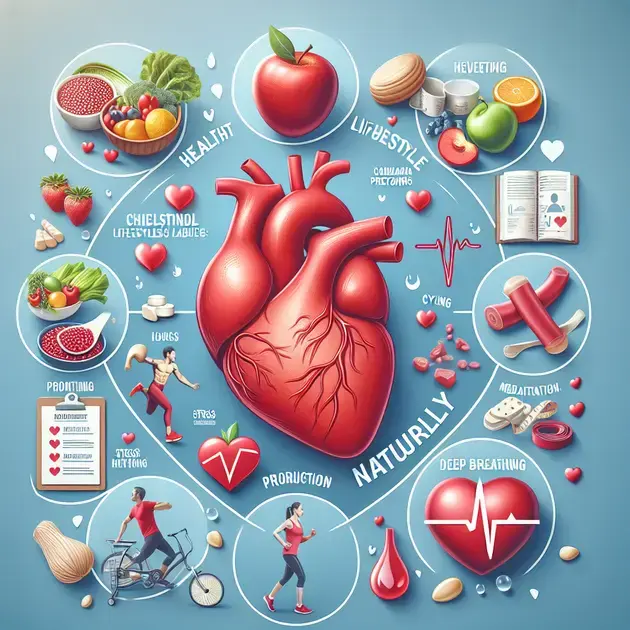
Tips for Managing Cholesterol Levels Naturally
When it comes to managing cholesterol levels naturally, there are several key strategies that can help you maintain a healthy balance. One of the most important factors to consider is your diet. By making smart food choices and incorporating cholesterol-lowering foods into your meals, you can significantly impact your cholesterol levels. Additionally, regular exercise plays a crucial role in cholesterol management. Engaging in physical activity can help raise your good cholesterol levels and lower the bad ones. In this article, we will explore the role of diet and exercise in maintaining healthy cholesterol levels naturally.
The Role of Diet in Maintaining Healthy Cholesterol Levels
Your diet plays a crucial role in managing cholesterol levels naturally. To maintain healthy cholesterol levels, it’s essential to focus on consuming foods that are low in saturated fats and trans fats. These unhealthy fats can raise your LDL (bad) cholesterol levels and increase your risk of heart disease. Instead, opt for heart-healthy foods such as fruits, vegetables, whole grains, and lean proteins like fish and poultry. Incorporating foods rich in soluble fiber, such as oats, beans, and nuts, can also help lower cholesterol levels.
A step-by-step approach to improving your diet for better cholesterol management includes:
- Eliminate or reduce foods high in saturated fats
- Increase your intake of fruits and vegetables
- Choose whole grains over refined grains
- Include sources of healthy fats, such as avocados and olive oil, in your meals
- Limit your consumption of processed and sugary foods
For more detailed information on cholesterol-friendly diet plans and recipes, you can visit websites like the American Heart Association or download apps like MyFitnessPal, which offer meal tracking and planning features tailored to cholesterol management.
Understanding the Importance of Regular Exercise for Cholesterol Management
In addition to following a heart-healthy diet, regular exercise is key to managing cholesterol levels naturally. Physical activity can help raise your HDL (good) cholesterol levels while lowering your LDL (bad) cholesterol levels. Aim for at least 150 minutes of moderate exercise per week, such as brisk walking, cycling, or swimming.
A structured approach to incorporating exercise into your routine for cholesterol management includes:
- Choose activities you enjoy to make exercise more sustainable
- Include a mix of cardio and strength training exercises in your weekly routine
- Set achievable goals and track your progress to stay motivated
- Don’t forget to warm up and cool down before and after each workout session
- Consider using fitness tracking apps like Strava or Fitbit to monitor your physical activity and set new challenges
By combining a cholesterol-friendly diet with regular exercise, you can effectively manage your cholesterol levels naturally and reduce your risk of cardiovascular disease. Remember to consult with a healthcare provider or a nutritionist to create a personalized plan that aligns with your health goals.

Effective Habits for Promoting Heart Health
Developing effective habits for promoting heart health is crucial in maintaining a healthy cardiovascular system. One of the key factors in promoting heart health is regular exercise. Engaging in physical activities such as walking, jogging, or cycling helps strengthen the heart muscle and improve blood circulation. Additionally, maintaining a balanced diet rich in fruits, vegetables, and whole grains can provide essential nutrients that support heart function.
Another important habit for promoting heart health is managing stress levels. High levels of stress can contribute to heart disease, so incorporating stress-reducing activities such as meditation, yoga, or deep breathing exercises into your daily routine can have a positive impact on your heart health. It is also essential to get an adequate amount of sleep each night to allow your heart to rest and rejuvenate.
Furthermore, avoiding smoking and excessive alcohol consumption are key habits for promoting heart health. Smoking damages the blood vessels and increases the risk of heart disease, while excessive alcohol consumption can lead to high blood pressure and heart damage. Staying hydrated by drinking plenty of water throughout the day is also important for maintaining heart health.
Incorporating these habits into your daily routine can significantly improve your heart health and reduce the risk of cardiovascular issues in the future. By prioritizing regular exercise, a balanced diet, stress management, and healthy lifestyle choices, you can support your heart function and overall well-being.
Simple Lifestyle Changes to Support Heart Function
Making simple lifestyle changes can have a significant impact on supporting heart function and overall cardiovascular wellness. One of the simplest yet most effective changes you can make is to increase your daily physical activity. This can be as easy as taking the stairs instead of the elevator, going for a brisk walk during your lunch break, or incorporating short exercise routines into your day.
Another important lifestyle change to support heart function is to prioritize a heart-healthy diet. This includes reducing your intake of saturated fats, cholesterol, and sodium, and instead focusing on consuming more fruits, vegetables, whole grains, and lean proteins. Incorporating foods rich in omega-3 fatty acids, such as fatty fish, nuts, and seeds, can also benefit heart function.
Managing your weight and maintaining a healthy BMI is essential for supporting heart function. Excess weight puts additional strain on the heart and can increase the risk of heart disease. By adopting portion control, making healthier food choices, and staying active, you can achieve and maintain a healthy weight that supports your heart health.
Additionally, reducing stress levels through relaxation techniques, getting an adequate amount of sleep each night, and avoiding tobacco and excessive alcohol consumption are all important lifestyle changes that can support heart function. By incorporating these simple yet impactful changes into your daily routine, you can improve your heart health and overall well-being.
Key Factors for Enhancing Cardiovascular Wellness
Enhancing cardiovascular wellness involves focusing on key factors that can support the overall health of your heart and circulatory system. One of the most important factors is regular exercise. Engaging in activities that elevate your heart rate, such as cardio workouts, strength training, or high-intensity interval training, can strengthen the heart muscle and improve circulation.
Another key factor for enhancing cardiovascular wellness is maintaining a heart-healthy diet. This includes consuming a variety of nutrient-dense foods such as fruits, vegetables, whole grains, lean proteins, and healthy fats. Limiting your intake of processed foods, sugary beverages, and foods high in saturated fats and cholesterol is also essential for heart health.
Managing risk factors such as high blood pressure, high cholesterol, and diabetes is crucial for enhancing cardiovascular wellness. Regular check-ups with your healthcare provider, monitoring your blood pressure and cholesterol levels, and following any prescribed treatment plans are important steps in maintaining a healthy heart.
Additionally, avoiding smoking and secondhand smoke, reducing stress through relaxation techniques, and getting regular physical activity are all key factors for enhancing cardiovascular wellness. By prioritizing these factors and making them a consistent part of your lifestyle, you can improve your heart health and reduce the risk of cardiovascular diseases in the long term.
Conclusion
Developing effective habits, such as regular exercise and a balanced diet, is essential for promoting heart health and maintaining a healthy cardiovascular system. Engaging in physical activities like walking, jogging, or cycling strengthens the heart muscle and improves blood circulation. Additionally, incorporating stress management techniques, adequate sleep, and avoiding smoking and excessive alcohol consumption are crucial steps in supporting heart function. By making these habits a part of your daily routine, you can significantly improve your heart health and reduce the risk of cardiovascular issues.
Making simple lifestyle changes, such as increasing physical activity and prioritizing a heart-healthy diet rich in fruits, vegetables, and lean proteins, can have a profound impact on supporting heart function and overall cardiovascular wellness. Managing weight through portion control and healthier food choices, along with reducing stress levels and getting enough sleep, play vital roles in maintaining a healthy heart. By embracing these simple yet impactful changes, you can enhance your heart health and overall well-being.
Enhancing cardiovascular wellness involves focusing on key factors like regular exercise, maintaining a heart-healthy diet, and managing risk factors such as high blood pressure and cholesterol. Engaging in cardio workouts, consuming nutrient-dense foods, and monitoring your health through regular check-ups are essential for supporting cardiovascular health. By avoiding smoking, reducing stress, and prioritizing physical activity, you can enhance your heart health and reduce the risk of cardiovascular diseases in the long term. By incorporating these factors consistently into your lifestyle, you can improve your heart health and well-being.

