
Are you one of the many individuals who need to monitor their blood pressure regularly? Learning how to properly use a blood pressure monitor is essential for accurate readings and effective management of hypertension. With the advancement of technology, using a blood pressure monitor at home has become more accessible and convenient.
In this guide, we will walk you through the step-by-step process of using a blood pressure monitor correctly. Whether you are a first-time user or looking to improve your technique, these tips will help you ensure accurate readings and better control of your blood pressure levels.

Tips for Setting Up Your Blood Pressure Monitor
Setting up your blood pressure monitor correctly is essential to ensure accurate readings. Here is a step-by-step guide to help you get started:
1. Choose the Right Monitor
Before setting up your blood pressure monitor, make sure you have the right device for your needs. Check reviews and recommendations on reputable health websites like WebMD or Mayo Clinic to find a reliable blood pressure monitor.
2. Read the Instruction Manual
Each blood pressure monitor may have specific setup instructions. Take the time to read the manual carefully to understand how to assemble and use the device correctly. You can usually find digital copies of manuals on the manufacturer’s website.
3. Find a Quiet and Comfortable Spot
When setting up your blood pressure monitor, choose a quiet and comfortable spot where you can relax and sit still during the reading. Avoid noisy or distracting environments that may affect your blood pressure readings.
4. Position Your Arm Correctly
Proper placement of the cuff is crucial for accurate blood pressure measurements. Position your arm at heart level and rest it on a flat surface, palm facing up. Use the cuff on your upper arm for the most reliable readings.
5. Take Multiple Readings
For the most accurate results, take multiple readings at different times of the day and record the measurements. This will provide a comprehensive overview of your blood pressure patterns and help you monitor any fluctuations over time.
Proper Placement of the Blood Pressure Cuff
Ensuring the proper placement of the blood pressure cuff is essential for accurate readings. Follow these steps to ensure you are positioning the cuff correctly:
1. Measure Your Arm Circumference
Before placing the cuff, measure the circumference of your upper arm to ensure it fits properly. Most cuffs come with size guidelines in the manual. Make sure the cuff size matches your arm measurement for accurate readings.
2. Locate the Artery Marker
Position the cuff on your upper arm and align it with the artery marker on the cuff. The marker should be placed directly above the brachial artery to ensure proper placement for an accurate blood pressure reading.
3. Secure the Cuff SnuglyWrap the cuff around your arm snugly, ensuring a tight fit without being too constricting. The cuff should be secure but not overly tight to avoid inaccurate readings. Check the placement and fit before starting the blood pressure measurement.
4. Position Yourself Correctly
Sit upright with your back supported and feet flat on the floor while taking a blood pressure reading. Rest your arm on a flat surface at heart level with the palm facing up. Maintain a relaxed posture throughout the measurement process.
5. Follow the Device Instructions
Some blood pressure monitors have specific guidelines for cuff placement. Follow the instructions provided with your device to ensure proper positioning for accurate readings. Refer to the manufacturer’s website or app for any additional tips on cuff placement.
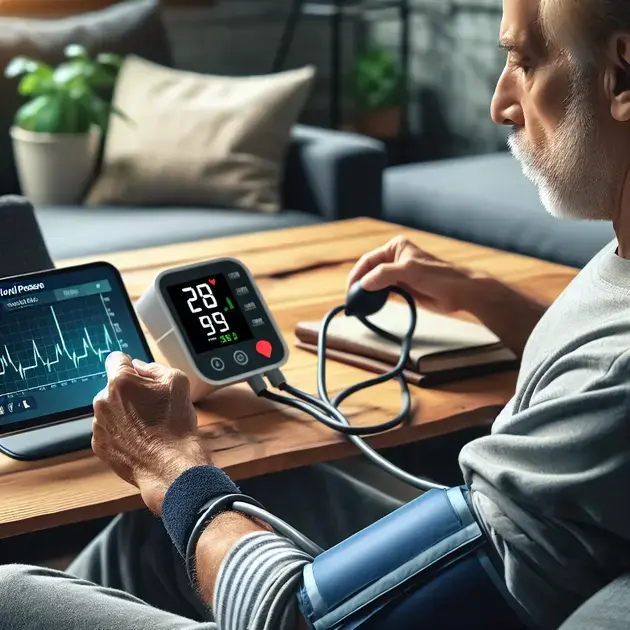
Understanding the Importance of Regular Blood Pressure Monitoring
Regular blood pressure monitoring is crucial for maintaining good health and preventing various cardiovascular diseases. By keeping track of your blood pressure readings on a consistent basis, you can detect any abnormalities early on and take the necessary steps to manage them. High blood pressure, also known as hypertension, is a common condition that can lead to serious complications if left uncontrolled. Monitoring your blood pressure regularly allows you to make informed decisions about your lifestyle and healthcare.
One of the key benefits of regular blood pressure monitoring is that it enables you to assess the effectiveness of any medication or lifestyle changes you may be implementing to manage your blood pressure. By tracking your readings over time, you can see whether your efforts are producing positive results or if further adjustments are needed. This proactive approach empowers you to take control of your health and work towards maintaining a healthy blood pressure level.
Additionally, regular blood pressure monitoring can help identify any underlying health issues that may be contributing to your high blood pressure. By noticing patterns or fluctuations in your readings, you can alert your healthcare provider and undergo further testing if necessary. Early detection of potential health problems allows for timely intervention and treatment to prevent more serious complications down the road.
Overall, understanding the importance of regular blood pressure monitoring is essential for promoting cardiovascular health and well-being. By making it a habit to check your blood pressure regularly, you are taking a proactive step towards managing your health and reducing the risk of cardiovascular diseases.
Interpreting Your Blood Pressure Readings
Interpreting your blood pressure readings correctly is essential for understanding your cardiovascular health status. Blood pressure readings consist of two numbers: systolic pressure (the top number) and diastolic pressure (the bottom number). A normal blood pressure reading is typically around 120/80 mmHg, with variations depending on individual factors.
When interpreting your blood pressure readings, it is important to consider not only the numbers but also other factors such as your age, gender, and overall health status. High blood pressure readings may indicate hypertension, while low blood pressure readings may suggest hypotension. Understanding the implications of different blood pressure ranges is key to assessing your cardiovascular health.
Tracking trends in your blood pressure readings over time can provide valuable insights into your overall health and well-being. By noting any fluctuations or consistent patterns in your readings, you can better understand how your lifestyle choices and medical treatments are affecting your blood pressure. This awareness allows you to make informed decisions about your health and take appropriate measures to maintain a healthy blood pressure level.
Interpreting your blood pressure readings accurately requires diligence and regular monitoring. By staying informed about your cardiovascular health status and seeking guidance from healthcare professionals when needed, you can effectively manage your blood pressure and reduce the risk of heart disease and other related conditions.
Benefits of Tracking Your Blood Pressure Trends
Tracking your blood pressure trends offers numerous benefits for maintaining good cardiovascular health and overall well-being. By monitoring your blood pressure on a regular basis and documenting the changes over time, you can gain valuable insights into how various factors influence your blood pressure levels.
One of the key benefits of tracking your blood pressure trends is the ability to detect any abnormalities or irregularities early on. By observing patterns in your readings, you can identify potential health issues and take proactive measures to address them. Early detection and intervention can help prevent complications and improve long-term health outcomes.
Furthermore, tracking your blood pressure trends allows you to assess the effectiveness of any lifestyle modifications or treatments you may be undergoing to manage your blood pressure. By comparing current readings to previous ones, you can evaluate the impact of your efforts and make informed decisions about adjustments or changes to your healthcare plan.
Consistent monitoring of your blood pressure trends also enables you to establish a baseline for your readings and track your progress towards achieving and maintaining a healthy blood pressure level. By setting goals based on your past readings and observing the trends over time, you can stay motivated to make positive changes in your lifestyle and health habits.
Conclusion
In conclusion, regular blood pressure monitoring is essential for maintaining good cardiovascular health and preventing cardiovascular diseases. By tracking your blood pressure readings consistently, you can detect any abnormalities early and take the necessary steps to manage them, ultimately reducing the risk of serious complications associated with high blood pressure. It empowers you to make informed decisions about your lifestyle and healthcare, leading to a proactive stance towards managing your health.
Interpreting your blood pressure readings accurately is crucial in understanding your cardiovascular health status. By considering not just the numbers but also other factors like age, gender, and overall health, you can assess the implications of different blood pressure ranges and make informed decisions about your health. Tracking trends over time provides valuable insights into how lifestyle choices and treatments impact your blood pressure, allowing you to maintain a healthy level with appropriate measures.
Furthermore, tracking your blood pressure trends offers numerous benefits for your overall well-being. By monitoring changes over time, you can detect abnormalities early, take proactive steps to address them, and prevent complications, ultimately improving long-term health outcomes. Evaluating the effectiveness of lifestyle modifications and treatments helps you make informed decisions about your healthcare plan, enabling you to establish a baseline for your readings and progress towards maintaining a healthy blood pressure level.

