
Are you looking to learn how to measure blood pressure accurately? In this step-by-step guide, we will walk you through the process of monitoring your blood pressure levels at home. Understanding how to measure your blood pressure can play a crucial role in managing your overall health.
High blood pressure, also known as hypertension, is a common condition that can lead to serious health complications if left uncontrolled. By regularly monitoring your blood pressure and following the correct techniques, you can take proactive steps towards maintaining a healthy blood pressure level. Let’s dive into the details of how you can measure your blood pressure effectively.
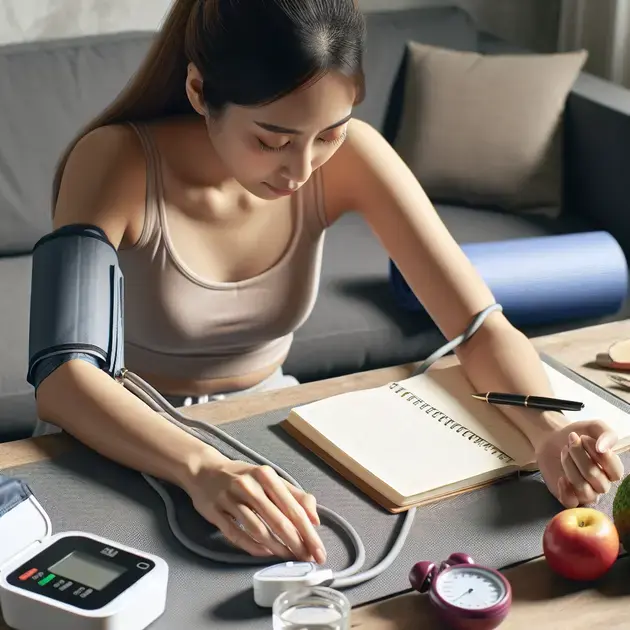
**
How to Prepare for Blood Pressure Measurement**
Preparing for blood pressure measurement is crucial to ensure accurate readings. Here are some steps to follow before taking your blood pressure:
1. Rest Prior to Measurement:
It is recommended to rest for at least 5 minutes before taking your blood pressure. Sit quietly in a comfortable position and avoid any strenuous activity.
2. Empty Your Bladder:
A full bladder can affect blood pressure readings. Make sure to empty your bladder before the measurement to get more accurate results.
3. Avoid Caffeine and Nicotine:
Caffeine and nicotine can temporarily increase blood pressure. Refrain from consuming coffee, tea, or cigarettes at least 30 minutes before the measurement.
4. Wear Appropriate Clothing:
Wear loose-fitting clothing that can easily be rolled up to expose your upper arm. Tight sleeves can interfere with the blood pressure cuff placement.
5. Relax and Stay Calm:
Stress and anxiety can raise blood pressure levels. Take deep breaths and try to relax before the measurement to ensure accurate results.
**
Ensuring Accurate Blood Pressure Readings**
Accurate blood pressure readings are essential for monitoring your health effectively. To ensure precise measurements, consider the following tips:
1. Use a Reliable Blood Pressure Monitor:
Invest in a quality blood pressure monitor that has been validated for accuracy. Check for certifications and reviews from reputable sources before purchasing.
2. Follow Proper Measurement Techniques:
Ensure the blood pressure cuff is placed correctly on your upper arm at heart level. Sit up straight with your feet flat on the floor and avoid talking during the measurement.
3. Take Multiple Readings:
For more accurate results, take multiple blood pressure readings at different times of the day. Keep a log of your measurements to track any changes over time.
4. Avoid White-Coat Syndrome:
If you experience anxiety at the doctor’s office, consider monitoring your blood pressure at home. This can help avoid white-coat syndrome and provide more accurate readings.
5. Consult a Healthcare Professional:
If you have any concerns about your blood pressure readings, consult a healthcare professional for guidance. They can help interpret the results and recommend appropriate lifestyle changes or medications.
**
Tips for Consistent Blood Pressure Monitoring**
Consistent blood pressure monitoring is key to managing hypertension and other cardiovascular conditions. Here are some tips to ensure regular monitoring:
1. Set Reminders:
Use a blood pressure tracking app or set reminders on your phone to check your blood pressure regularly. Consistency is crucial for effective monitoring.
2. Establish a Routine:
Choose specific times of the day to measure your blood pressure, such as in the morning and evening. Stick to a routine to track any fluctuations in your readings.
3. Monitor Lifestyle Factors:
Keep track of your diet, exercise, and stress levels alongside your blood pressure readings. Identifying lifestyle factors can help you better manage your blood pressure.
4. Share Results with Your Doctor:
Share your blood pressure readings with your healthcare provider during regular check-ups. This information can help them adjust treatment plans or medications as needed.
5. Stay Informed:
Stay informed about the latest guidelines for blood pressure monitoring and management. Educate yourself on the risks associated with high blood pressure and the importance of regular monitoring for overall health.
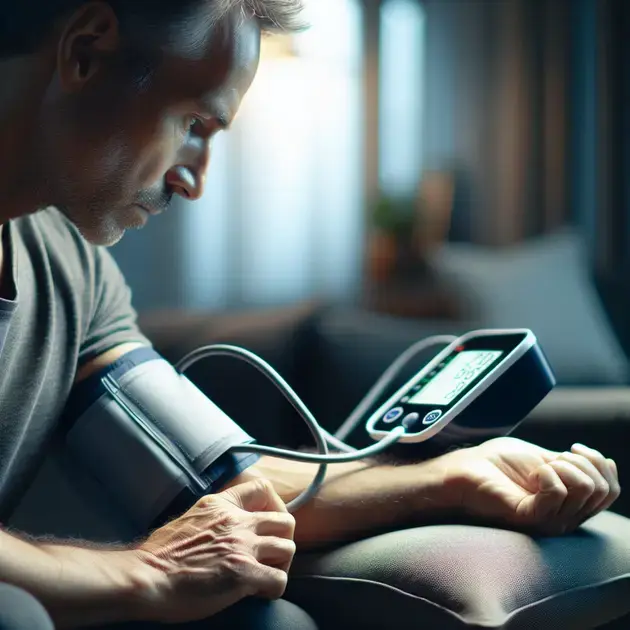
Blood Pressure Measurement: Understanding the Basics
Accurate blood pressure measurement is essential in understanding an individual’s cardiovascular health. Blood pressure is typically measured in millimeters of mercury (mmHg) and consists of two numbers – systolic and diastolic pressure. The systolic pressure represents the force of blood against the artery walls when the heart beats, while the diastolic pressure is the pressure when the heart is at rest between beats. A normal blood pressure reading is typically around 120/80 mmHg.
To properly measure blood pressure, it’s crucial to use a correctly calibrated blood pressure monitor. The individual should be seated with their back supported, feet flat on the floor, and arm at heart level. The cuff should be placed snugly around the upper arm, and the individual should remain still and quiet during the measurement.
Understanding the basics of blood pressure measurement also involves knowing the factors that can influence readings. These factors include stress, caffeine intake, smoking, and physical activity. It’s recommended to measure blood pressure at the same time each day, preferably in the morning before consuming any food or drinks.
Regular monitoring of blood pressure at home can help individuals track their cardiovascular health and provide valuable information to healthcare providers. By understanding the basics of blood pressure measurement, individuals can take proactive steps towards maintaining a healthy blood pressure and overall well-being.
Common Mistakes to Avoid When Measuring Blood Pressure
One common mistake to avoid when measuring blood pressure is improper cuff placement. If the cuff is too loose or too tight, it can lead to inaccurate readings. Ensure that the cuff is placed correctly on the upper arm, with the lower edge about one inch above the elbow.
Another mistake is not allowing the individual to rest before taking the measurement. It’s important to wait at least five minutes in a relaxed state before starting the measurement to ensure an accurate reading.
Using a cuff that is the wrong size for the individual’s arm circumference can also result in incorrect readings. Make sure to use a cuff that fits properly to obtain precise measurements.
Additionally, talking or moving during the measurement process can lead to falsely elevated readings. Encourage the individual to remain quiet and still throughout the measurement for the most accurate results.
Avoiding these common mistakes when measuring blood pressure is crucial for obtaining reliable and consistent readings that can help in monitoring cardiovascular health effectively.
The Importance of Regular Blood Pressure Monitoring
Regular blood pressure monitoring is critical for the early detection of potential cardiovascular issues. High blood pressure, also known as hypertension, is often referred to as the “silent killer” because it typically does not present symptoms until it reaches severe levels.
By monitoring blood pressure regularly, individuals can identify changes or abnormalities early on and take necessary steps to manage their blood pressure through lifestyle modifications or medication. This proactive approach can help prevent serious complications such as heart attack, stroke, or kidney disease.
Regular blood pressure monitoring is particularly crucial for individuals with risk factors for hypertension, such as obesity, high salt intake, sedentary lifestyle, or family history of high blood pressure. These individuals may need more frequent monitoring to ensure early intervention if needed.
Home blood pressure monitoring devices are widely available and easy to use, allowing individuals to track their blood pressure conveniently. By incorporating regular blood pressure checks into their routine, individuals can empower themselves to take control of their cardiovascular health and make informed decisions about their well-being.
Conclusion
In conclusion, understanding the basics of blood pressure measurement is crucial for assessing cardiovascular health accurately. By grasping the significance of systolic and diastolic pressure, individuals can comprehend the dynamics of blood flow within their bodies. Proper measurement techniques, such as using calibrated monitors and considering influencing factors like stress and physical activity, are pivotal in obtaining reliable readings.
Avoiding common mistakes during blood pressure measurement, such as cuff placement errors or lack of rest before readings, is essential for precise results. By acknowledging and rectifying these errors, individuals can ensure the accuracy of their monitoring process, leading to better-informed healthcare decisions.
The importance of regular blood pressure monitoring cannot be overstated, especially in detecting potential cardiovascular issues early on. Through consistent monitoring, individuals can proactively manage their blood pressure, reducing the risk of severe complications like heart attacks or strokes. Embracing home monitoring devices and integrating check-ups into daily routines empowers individuals to take charge of their cardiovascular well-being and make informed choices for a healthier future.

