
How to Measure Blood Pressure: A Step-by-Step Guide
Are you interested in learning how to measure your blood pressure accurately at home? Monitoring your blood pressure regularly can provide valuable insights into your heart health. According to recent studies, self-measured blood pressure monitoring at home has shown to be an effective way to track and manage hypertension.
To help you navigate the process with confidence, this step-by-step guide will walk you through the proper techniques for measuring your blood pressure at home. By following these simple instructions and making it a routine, you can take control of your health and make informed decisions in partnership with your healthcare provider.
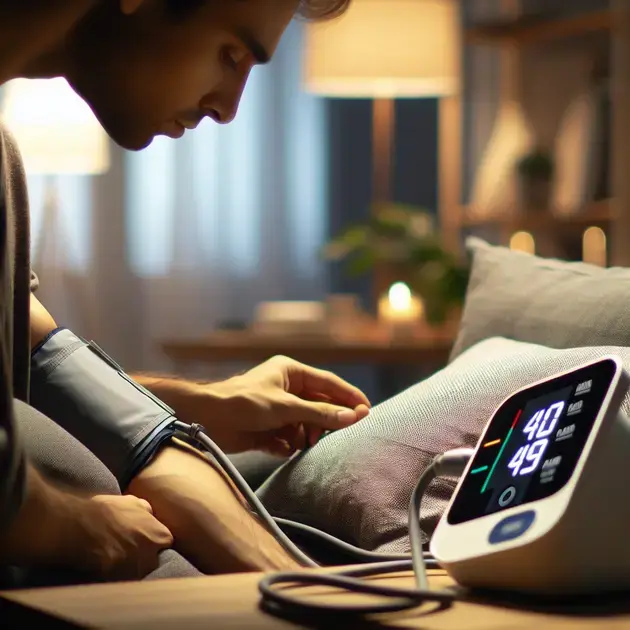
How to Prepare for Blood Pressure Measurement
Proper preparation is essential for an accurate blood pressure measurement. Here are some steps to help you prepare:
- Rest for at least 5 minutes before taking your blood pressure.
- Use the restroom before the measurement to ensure an accurate reading.
- Avoid caffeine, tobacco, and exercise for at least 30 minutes prior to testing.
- Wear loose-fitting clothing with sleeves that can easily be rolled up.
- Sit in a comfortable chair with your back supported and feet flat on the floor.
Understanding Blood Pressure Readings
Understanding your blood pressure readings is crucial for monitoring your health. Here’s what you need to know:
Systolic Pressure:
This is the top number in the blood pressure reading and represents the pressure in your arteries when the heart beats.
Diastolic Pressure:
This is the bottom number and indicates the pressure in your arteries when the heart is at rest between beats.
Normal blood pressure is typically around 120/80 mmHg, while high blood pressure is 130/80 mmHg or higher.
Tips for Accurate Blood Pressure Monitoring
Accurate blood pressure monitoring is essential for managing your health. Here are some tips to ensure accuracy:
- Use a validated blood pressure monitor that fits properly on your upper arm.
- Measure your blood pressure at the same time each day, such as in the morning before taking medications.
- Sit quietly for 5 minutes before measuring your blood pressure.
- Place the cuff on your bare skin, not over clothing.
- Keep a record of your readings to share with your healthcare provider.
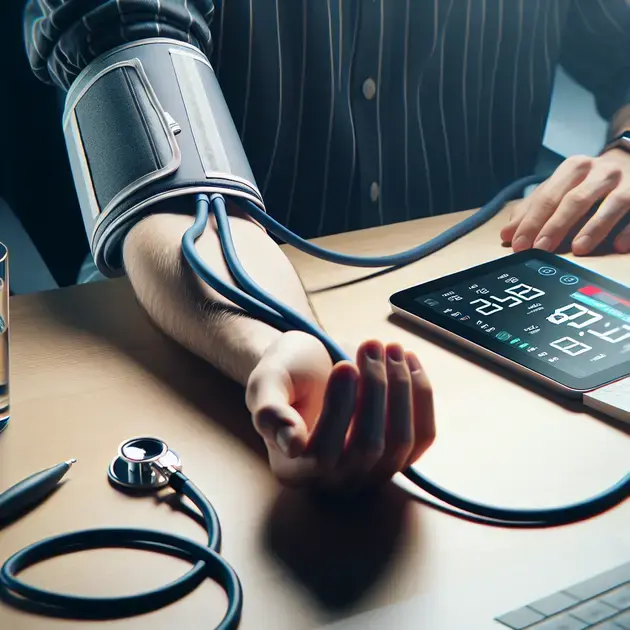
Common Mistakes to Avoid when Measuring Blood Pressure
Measuring blood pressure is a crucial component of monitoring cardiovascular health. However, there are common mistakes that people make when measuring their blood pressure that can lead to inaccurate results. One of the most common mistakes is not using the right size cuff. Using a cuff that is too small can result in falsely elevated blood pressure readings, while using a cuff that is too large can result in falsely low readings. It is important to use a cuff that fits properly to ensure accurate measurements.
Another common mistake is not resting properly before taking a blood pressure reading. Stress and physical activity can cause temporary spikes in blood pressure. To get an accurate reading, it is important to sit quietly for at least five minutes before taking a measurement. Additionally, not positioning the arm at heart level during measurement can also lead to inaccurate results. The arm should be supported at heart level to ensure an accurate reading.
Using an automated blood pressure monitor incorrectly is also a common mistake. It is important to follow the instructions provided with the monitor and ensure that the cuff is placed correctly on the arm. Movement during measurement can also affect the results, so it is important to stay still while the monitor is taking a reading. Lastly, not taking multiple readings and averaging them out can lead to inaccuracies. It is recommended to take at least two readings, one minute apart, and average the results to get a more accurate assessment.
In conclusion, avoiding these common mistakes when measuring blood pressure is crucial to obtaining accurate results. By using the right size cuff, resting properly, positioning the arm correctly, using the monitor correctly, and taking multiple readings, individuals can ensure that their blood pressure measurements are reliable and reflective of their true cardiovascular health status.
Interpreting Your Blood Pressure Results
After measuring your blood pressure, it is essential to understand and interpret the results to gain insights into your cardiovascular health. Blood pressure readings consist of two numbers: systolic pressure (the top number) and diastolic pressure (the bottom number). A normal blood pressure reading is typically around 120/80 mm Hg. However, it is essential to consult with a healthcare professional to interpret your specific results accurately.
Elevated blood pressure readings above the normal range can indicate hypertension, a condition that can lead to serious health complications if left untreated. Hypertension is often referred to as the “silent killer” because it usually presents with no symptoms. Consistently high blood pressure can damage the arteries and organs over time, increasing the risk of heart disease, stroke, and other cardiovascular issues.
On the other hand, low blood pressure readings can also have implications for health. While some individuals naturally have low blood pressure without any adverse effects, excessively low blood pressure can cause dizziness, fainting, and fatigue. It is essential to monitor blood pressure regularly and consult with a healthcare provider if you have concerns about your readings.
Understanding your blood pressure results involves more than just knowing the numbers. It is crucial to track trends over time, identify any patterns or fluctuations, and take proactive steps to maintain or improve your cardiovascular health. Lifestyle changes such as maintaining a healthy diet, exercising regularly, managing stress, and avoiding tobacco and excessive alcohol consumption can help regulate blood pressure levels and reduce the risk of cardiovascular diseases.
The Importance of Consistent Blood Pressure Monitoring
Consistent blood pressure monitoring is a vital aspect of preventive healthcare and plays a significant role in managing cardiovascular health. Regular monitoring allows individuals to track changes in blood pressure over time, identify any abnormalities or trends, and take appropriate actions to prevent or manage cardiovascular conditions. It is recommended that individuals with hypertension or other cardiovascular risk factors monitor their blood pressure regularly to ensure early detection and timely intervention.
Monitoring blood pressure consistently can help individuals and healthcare providers make informed decisions about treatment strategies and lifestyle modifications. By keeping track of blood pressure readings, individuals can assess the effectiveness of medications, lifestyle changes, and other interventions aimed at regulating blood pressure levels. Additionally, consistent monitoring can provide valuable data for healthcare professionals to adjust treatment plans and optimize cardiovascular health outcomes.
For individuals with normal blood pressure readings, consistent monitoring is essential for establishing a baseline and detecting any deviations from the norm. Detecting changes in blood pressure early can help prevent the progression of hypertension and reduce the risk of associated complications. By maintaining regular monitoring habits, individuals can stay proactive about their cardiovascular health and take the necessary steps to promote overall well-being.
In conclusion, consistent blood pressure monitoring is a key component of preventive healthcare that empowers individuals to take charge of their cardiovascular health. By adopting regular monitoring practices, individuals can track changes, detect abnormalities, and work towards maintaining healthy blood pressure levels. Whether managing existing conditions or promoting overall wellness, consistent blood pressure monitoring is an essential tool for optimizing cardiovascular health and reducing the risk of heart disease and other related ailments.
Conclusion
Monitoring blood pressure accurately involves avoiding common mistakes such as using the wrong cuff size, not resting before readings, and improper positioning of the arm during measurements. By following proper techniques, individuals can ensure reliable and precise blood pressure results, reflecting their true cardiovascular health status.
Interpreting blood pressure readings is essential for understanding cardiovascular health. Elevated readings may indicate hypertension, while low readings can also have health implications. Consulting a healthcare professional for accurate interpretation and implementing lifestyle changes can help maintain optimal blood pressure levels and reduce the risk of cardiovascular diseases.
Consistent blood pressure monitoring is crucial for preventive healthcare. Regular tracking allows individuals to detect abnormalities, make informed decisions about treatment strategies, and optimize cardiovascular health outcomes. By establishing a baseline, detecting deviations early, and staying proactive, individuals can promote overall well-being and reduce the risk of heart disease and related ailments.

