
Can You Take Too Much Vitamin D?
With the growing popularity of supplements, the question of whether one can overdo it with Vitamin D has become increasingly relevant. While this essential nutrient is crucial for overall health, excessive intake can lead to adverse effects. In this article, we delve into the dangers of Vitamin D toxicity, recommended dosages, and how to strike the right balance for optimal well-being.

Signs of Excessive Vitamin D Intake
Vitamin D plays a crucial role in maintaining overall health, but like any other nutrient, too much of it can have adverse effects on the body. Some signs of excessive vitamin D intake include nausea, vomiting, weakness, and frequent urination. To check if you’re exceeding the recommended dosage of vitamin D, consider using the “Vitamin D Calculator” available on Vitamin D Council website. This tool can help you assess your vitamin D intake from supplements and food sources.
If you experience symptoms like unexplained weight loss, loss of appetite, or irregular heart rhythms, it’s essential to consult a healthcare professional immediately. These could be indicators of vitamin D toxicity. Additionally, you may want to get a blood test to measure your vitamin D levels accurately. You can request a 25-hydroxy vitamin D test through your doctor or a local clinic.
Managing your vitamin D intake is crucial for your well-being. Make sure to follow the recommended daily allowance (RDA) provided by health authorities and avoid taking excessive amounts of vitamin D supplements without medical supervision. Being aware of the signs of excessive vitamin D intake can help you prevent any potential health issues and maintain optimal vitamin D levels.
Incorporating vitamin D-rich foods into your diet, such as fatty fish, egg yolks, and fortified dairy products, can be a safer way to maintain adequate vitamin D levels. Remember, moderation is key when it comes to vitamin D supplementation, and always seek professional advice if you have any concerns about your vitamin D intake.
Stay informed about the potential risks of excessive vitamin D intake and prioritize your health by monitoring your vitamin D levels regularly. By being proactive and mindful of your intake, you can ensure that you’re reaping the benefits of vitamin D without putting your health at risk.
The Importance of Proper Dosage
Understanding the importance of proper dosage when it comes to vitamin D intake is crucial for maintaining optimal health. The recommended daily allowance (RDA) for vitamin D varies depending on age, gender, and other factors. To determine the right dosage for your specific needs, consider using the “Vitamin D Calculator” tool on the GrassrootsHealth website.
It’s essential to follow the guidelines provided by healthcare professionals and avoid self-prescribing vitamin D supplements without proper guidance. Taking too much or too little vitamin D can have negative effects on your health, so it’s best to consult with a healthcare provider before making any changes to your supplementation routine.
Keep in mind that factors like sun exposure, dietary intake, and individual health conditions can influence your vitamin D requirements. By working with a healthcare professional, you can establish a personalized vitamin D supplementation plan that meets your specific needs and ensures you’re getting the right amount of this essential nutrient.
Proper dosage not only helps prevent vitamin D deficiency but also reduces the risk of vitamin D toxicity. By adhering to the recommended guidelines and monitoring your vitamin D levels regularly, you can maintain a healthy balance and support your overall well-being. Remember, when it comes to vitamin D, moderation and consistency are key.
Educate yourself on the importance of proper vitamin D dosage and prioritize your health by making informed decisions about your supplementation routine. By following evidence-based recommendations and seeking professional guidance, you can optimize your vitamin D intake and promote long-term health and vitality.
Consulting a Healthcare Professional
When it comes to managing your vitamin D intake and addressing any concerns related to supplementation, consulting a healthcare professional is crucial. A qualified healthcare provider can offer personalized advice based on your individual needs and help you navigate the complexities of vitamin D supplementation effectively.
If you’re experiencing symptoms of vitamin D deficiency or toxicity, scheduling a consultation with your primary care physician or a registered dietitian can provide valuable insights into your current health status. Healthcare professionals can conduct tests to assess your vitamin D levels and recommend appropriate actions to address any deficiencies or excesses.
Additionally, healthcare professionals can help you create a holistic approach to vitamin D intake, considering factors like diet, lifestyle, and overall health goals. By collaborating with a healthcare team, you can develop a comprehensive plan that supports your well-being and ensures that you’re meeting your vitamin D needs effectively.
Regular check-ups and discussions with healthcare professionals can help you stay informed about the latest recommendations and best practices regarding vitamin D supplementation. Establishing a proactive relationship with your healthcare provider can empower you to make informed decisions about your health and well-being.
Remember, healthcare professionals are valuable resources for addressing any questions or concerns you may have about vitamin D intake and supplementation. By seeking expert guidance and staying proactive about your health, you can prioritize your well-being and ensure that you’re on the right path towards optimal vitamin D levels.
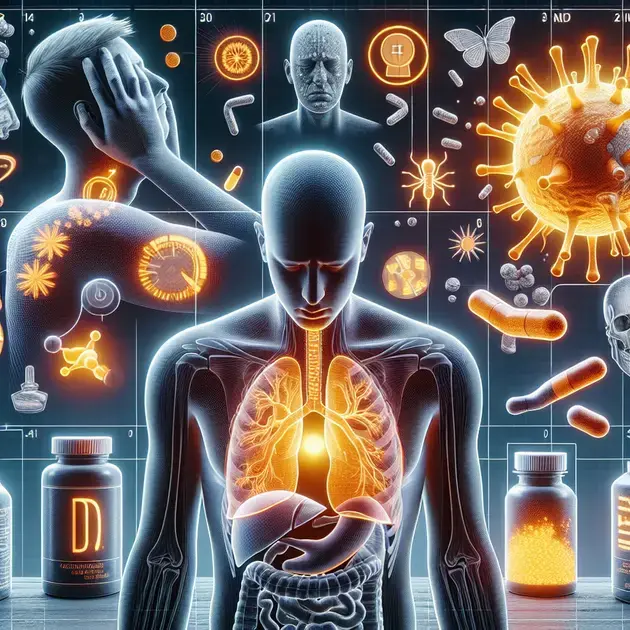
Symptoms of Vitamin D Overdose
When it comes to vitamin D, it’s essential to maintain the right balance for optimal health. However, consuming too much can lead to overdose symptoms. Some common signs of a vitamin D overdose include nausea, vomiting, weakness, and frequent urination. If you experience persistent headaches, dizziness, or a metallic taste in your mouth, it could indicate excessive vitamin D levels in your system.
Excessive vitamin D can also result in constipation, dehydration, and kidney complications. Muscle weakness, fatigue, and an irregular heartbeat are additional symptoms to watch out for. If you notice any of these signs, it’s crucial to consult a healthcare professional immediately to determine the best course of action.
In severe cases, vitamin D toxicity can lead to bone pain, confusion, and even organ damage. It’s important to be mindful of your vitamin D intake and recognize the symptoms of overdose to prevent any serious health issues.
Remember, it’s always advisable to follow recommended daily intake guidelines and consult a healthcare provider before starting any new supplement regimen to avoid the risk of vitamin D overdose.
Understanding Vitamin D Toxicity
Having a thorough understanding of vitamin D toxicity is crucial for maintaining your overall health and well-being. Vitamin D toxicity occurs when there are excess levels of vitamin D in the body, leading to potential health complications.
One key aspect to consider is the difference between vitamin D toxicity and deficiency. While a deficiency can have adverse effects on bone health and immunity, toxicity can result in nausea, vomiting, and weakness. Understanding the symptoms and risk factors associated with vitamin D toxicity can help you make informed decisions about your supplementation.
It’s important to note that vitamin D toxicity is rare and often occurs from excessive supplementation rather than natural sources like sunlight and food. Monitoring your vitamin D levels through regular testing and consulting a healthcare provider can help prevent any potential toxicity issues.
By educating yourself on the causes, symptoms, and prevention of vitamin D toxicity, you can ensure that you maintain a healthy balance of this essential nutrient and support your overall well-being.
Tips for Safe Vitamin D Supplementation
When it comes to supplementing with vitamin D, it’s essential to do so safely and responsibly. Start by consulting with a healthcare provider to determine the appropriate dosage based on your individual needs and health status.
Opt for high-quality vitamin D supplements from reputable brands to ensure purity and potency. Consider choosing vitamin D3, the active form of vitamin D, for better absorption and effectiveness in the body.
It’s crucial to follow the recommended dosage instructions provided on the supplement packaging or as advised by your healthcare provider. Avoid taking excessive amounts of vitamin D, as this can lead to toxicity and potential health risks.
Pair your vitamin D supplementation with a balanced diet rich in vitamin D-containing foods such as fatty fish, eggs, and fortified dairy products. Additionally, spending time outdoors in sunlight can also help boost your vitamin D levels naturally.
Regularly monitor your vitamin D levels through blood tests to ensure you are within the optimal range. Adjust your supplementation as needed based on your test results and any guidance from your healthcare provider. By following these tips, you can safely and effectively supplement with vitamin D to support your overall health and well-being.
**
Conclusion
**
In conclusion, understanding the signs and symptoms of excessive vitamin D intake is vital for maintaining optimal health. It is crucial to be aware of the potential risks associated with exceeding recommended dosages, including nausea, weakness, and other adverse effects. Consulting a healthcare professional and utilizing tools like the Vitamin D Calculator can help individuals monitor their intake effectively.
Proper dosage plays a significant role in preventing vitamin D deficiency and toxicity. By following healthcare guidelines and seeking personalized advice, individuals can ensure they are meeting their vitamin D needs while avoiding any negative health consequences. Balancing supplementation with natural sources and regular monitoring can contribute to overall well-being.
Overall, safe vitamin D supplementation involves a combination of expert guidance, high-quality supplements, balanced diet, and regular monitoring. By educating oneself on the importance of vitamin D intake, individuals can make informed decisions to support their long-term health and vitality. Remember, moderation, consistency, and collaboration with healthcare professionals are key to optimizing vitamin D levels and promoting well-being.

