
Clear water bottles have gained popularity for their sleek and transparent design. However, their environmental impact often raises concerns. Are these aesthetically pleasing bottles truly eco-friendly, or do they contribute to environmental harm? Let’s delve into the facts and explore the sustainability of clear water bottles to understand their implications on our planet.
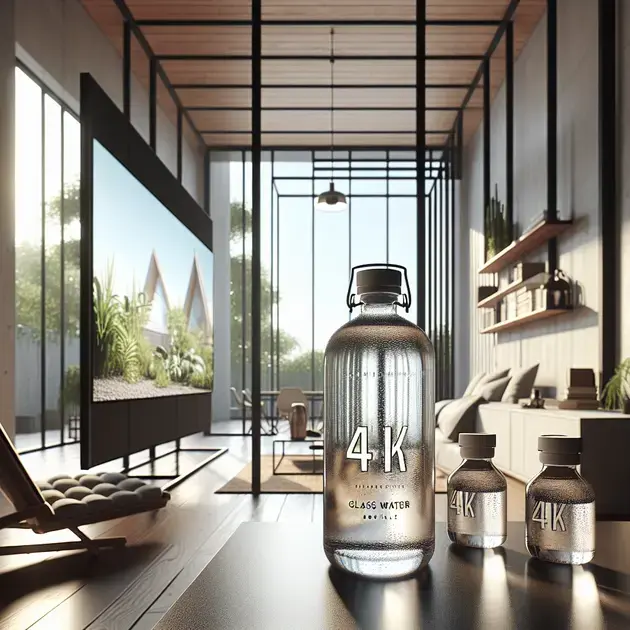
**Clear Water Bottles: The Environmental Impact**
Introduction
Clear water bottles have become a popular choice for consumers due to their sleek design and transparency, allowing users to see the water inside. However, there is growing concern about the environmental impact of these bottles, particularly in terms of production, disposal, and recycling.
Production Process
The production of clear water bottles often involves the use of virgin plastic, which is derived from non-renewable resources such as crude oil. This extraction process contributes to carbon emissions and environmental degradation. To learn more about the production process and its impact on the environment, visit Environmental Leader.
Disposal Challenges
Once clear water bottles are used and disposed of, they often end up in landfills where they can take hundreds of years to decompose. This poses a significant challenge to waste management and contributes to plastic pollution in our oceans and ecosystems. For tips on proper disposal methods and recycling options, check out EPA Recycling Resources.
Recycling Solutions
While clear water bottles are technically recyclable, the recycling rate for plastic bottles remains low due to inadequate infrastructure, lack of awareness, and contamination issues. To improve recycling habits and learn about recycling centers near you, download the Recycle Coach app from Recycle Coach.
Environmental Benefits
By choosing reusable alternatives to clear water bottles, such as stainless steel or glass bottles, individuals can help reduce their plastic footprint and contribute to a more sustainable future. To explore eco-friendly water bottle options, visit PowPixel Shop.
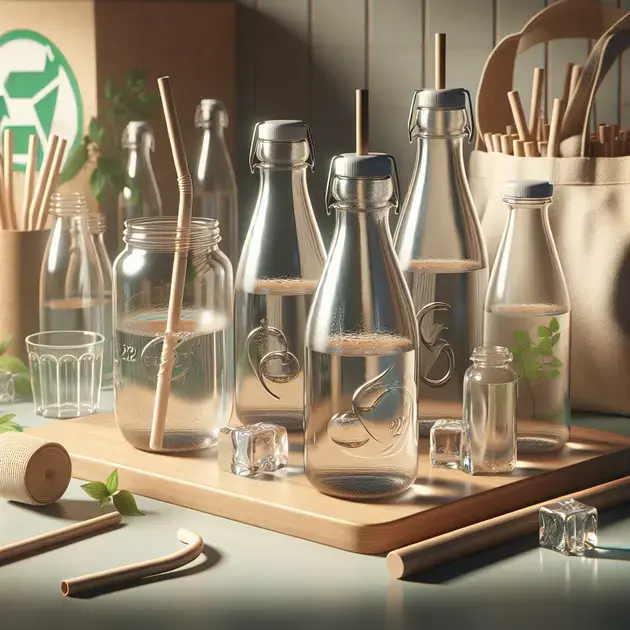
The Benefits of Using Glass Bottles for Water
Switching to clear water bottles made of glass can bring numerous benefits to your hydration routine. Glass bottles are eco-friendly alternatives to plastic, contributing to a reduction in single-use plastic waste. By choosing glass, you can help promote a more sustainable environment. Additionally, glass is a non-porous material, meaning it won’t retain flavors or odors, ensuring that your water always tastes fresh and pure.
Clear water bottles made of glass are also easy to clean and maintain, making them a hygienic choice for storing liquids. Unlike plastic bottles that may harbor bacteria if not cleaned properly, glass bottles can be easily sterilized and reused. This makes them ideal for long-term use, saving you money in the long run and reducing your environmental impact.
Furthermore, glass is a safe material for storing water, as it doesn’t contain harmful chemicals like BPA that may leach into your beverages from plastic containers. By using glass bottles, you can ensure that your water remains uncontaminated and safe for consumption. The durability of glass also means that your bottle will last longer, providing a reliable and sustainable hydration solution.
In conclusion, clear water bottles made of glass offer a range of advantages, from environmental benefits to improved safety and hygiene. Making the switch to glass can not only benefit your health but also contribute to a cleaner and more sustainable planet.
How to Properly Clean and Maintain Your Glass Water Bottle
Properly cleaning and maintaining your clear water bottle made of glass is essential for ensuring its longevity and hygiene. To start, begin by rinsing your bottle with warm water and mild dish soap after each use. Use a bottle brush to scrub the interior and remove any residue or particles that may have accumulated.
For a deeper clean, you can create a solution of vinegar and water and let it soak in your bottle for a few hours. Rinse thoroughly afterwards to remove any lingering scent. To prevent odors, you can also place a mixture of baking soda and water in the bottle, allowing it to sit overnight before rinsing.
Make sure to dry your glass water bottle completely before storing it to prevent mold or mildew growth. Store it in a cool, dry place away from direct sunlight to maintain its clarity and integrity. Regularly inspect your bottle for any cracks or damages and replace it if necessary to avoid any potential safety hazards.
By following these simple steps, you can ensure that your clear water bottle made of glass remains clean, safe, and in optimal condition for your everyday hydration needs.
The Health Benefits of Switching to Glass Water Bottles
Switching to clear water bottles made of glass can have numerous health benefits for you and the environment. Glass is a non-porous material, meaning it won’t retain flavors or odors, ensuring that your water remains fresh and free of any contaminants. This can contribute to better hydration and overall well-being.
Additionally, glass is a safe material that does not contain harmful chemicals like BPA found in some plastic containers. By using glass water bottles, you can reduce your exposure to these potentially harmful substances and enjoy clean and pure water without any health risks.
Furthermore, glass bottles are easy to clean and sterilize, making them a hygienic choice for storing water. The durability of glass ensures that your bottle will last longer, providing a sustainable and reliable option for your hydration needs. By making the switch to glass, you can promote a healthier lifestyle and contribute to a cleaner environment.
In conclusion, clear water bottles made of glass offer a range of health benefits, from ensuring the purity of your water to reducing your exposure to harmful chemicals. By choosing glass as your preferred water bottle material, you can prioritize your health and well-being while also supporting a more sustainable lifestyle.
**
Conclusion
**
In conclusion, the environmental impact of clear water bottles, particularly regarding production, disposal, and recycling, highlights the urgency for sustainable choices. The use of virgin plastic in production contributes significantly to carbon emissions and environmental harm, emphasizing the need for eco-friendly alternatives like glass or stainless steel bottles. Proper disposal methods are crucial to combat plastic pollution, as clear water bottles can take centuries to decompose in landfills. Recycling remains a challenge due to infrastructure limitations and lack of awareness, underscoring the importance of improving recycling habits and facilities.
Switching to glass water bottles presents numerous benefits, such as reducing single-use plastic waste, promoting a safer and more hygienic hydration option, and ensuring clean and uncontaminated water consumption. By making the switch to glass bottles, individuals can contribute to a sustainable future, prioritize health and well-being, and support a cleaner environment. Proper cleaning and maintenance of glass water bottles are essential to ensure longevity, hygiene, and optimal performance for daily hydration needs.
The health benefits of using glass water bottles include avoiding harmful chemicals like BPA, maintaining freshness and purity of water, and promoting better hydration practices. Transitioning to glass as the preferred water bottle material aligns with a healthier lifestyle choice and supports sustainability. Clear water bottles made of glass not only offer environmental advantages but also enhance safety, hygiene, and overall well-being, making them a valuable and impactful choice for individuals seeking a more sustainable and health-conscious hydration solution.

