
Are you struggling to keep your glucose numbers at a healthy level? Maintaining healthy glucose numbers is essential for better blood sugar control and overall well-being. With the increasing prevalence of diabetes worldwide, it’s more important than ever to understand how to manage your blood sugar effectively.
Fortunately, this comprehensive guide will provide you with practical tips and strategies to help you achieve and maintain healthy glucose numbers. From making dietary changes to incorporating regular exercise into your routine, you’ll discover the key steps to take control of your blood sugar levels and improve your health outcomes.

Strategies for Effective Glucose Management
Managing glucose levels effectively is crucial for overall health, especially for individuals with diabetes. Here are some strategies that can help you maintain healthy blood sugar levels:
1. Regular Monitoring
One key step in managing glucose levels is to monitor them regularly. Utilize blood glucose meters like the Accu-Chek Guide or FreeStyle LibreLink app to track your levels throughout the day. By keeping a close eye on your readings, you can make informed decisions about your diet and medication.
2. Balanced Diet
Another important strategy is to maintain a balanced diet. Apps like MyFitnessPal or Lose It! can help you track your food intake and ensure you’re consuming the right mix of carbohydrates, proteins, and fats. Opt for whole grains, lean proteins, and plenty of fresh fruits and vegetables to keep your blood sugar stable.
3. Regular Exercise
Exercise is a powerful tool for managing glucose levels. Utilize fitness apps like Fitbit or Nike Training Club to schedule workouts and monitor your activity levels. Aim for at least 150 minutes of moderate exercise per week, such as brisk walking or cycling, to help improve insulin sensitivity and lower blood sugar.
4. Medication Adherence
If you’re prescribed medication to manage your glucose levels, it’s crucial to adhere to your treatment plan. Use medication reminder apps like Medisafe or Mango Health to ensure you take your medications on time. Consult with your healthcare provider if you experience any issues or side effects.
5. Stress Management
Stress can impact blood sugar levels, so incorporating stress-reducing activities into your routine is essential. Try mindfulness and meditation apps like Headspace or Calm to help relax your mind and body. Adequate sleep, deep breathing exercises, and hobbies you enjoy can also contribute to better blood sugar control.
Key Steps for Maintaining Healthy Blood Sugar Levels
Maintaining healthy blood sugar levels is a priority for overall well-being, especially for those with diabetes. Here are key steps to help you achieve and sustain optimal blood sugar control:
1. Know Your Numbers
Begin by understanding your target blood sugar range. Use glucose monitoring devices like the Dexcom G6 or One Drop to measure your blood sugar levels regularly. Consult with your healthcare provider to determine your individualized target range and adjust your management plan accordingly.
2. Meal Planning
Meal planning plays a significant role in blood sugar management. Websites like Diabetic Foodie or apps like MySugr can provide meal ideas and recipes tailored to help stabilize blood glucose levels. Focus on portion control, carbohydrate counting, and consistent meal timings to avoid spikes and crashes in blood sugar.
3. Hydration and Snacking
Staying hydrated is essential for blood sugar regulation. Track your water intake with apps like WaterMinder or Hydro Coach to ensure you’re adequately hydrated throughout the day. Additionally, opt for healthy snacks like nuts, yogurt, or veggies to maintain steady blood sugar levels between meals.
4. Regular Exercise Routine
Incorporating regular physical activity into your routine is key to managing blood sugar levels effectively. Websites like Diabetes Strong or fitness apps like 7 Minute Workout offer exercise routines tailored for individuals with diabetes. Aim for a combination of cardiovascular, strength training, and flexibility exercises for maximum benefits.
5. Continuous Education and Support
Stay informed about the latest developments in diabetes management by joining online communities like Beyond Type 1 or Diabetes Daily. Engage with healthcare professionals, attend diabetes education classes, and seek support from peers to stay motivated and informed about maintaining healthy blood sugar levels.
Practical Tips for Better Blood Sugar Control
Improving blood sugar control requires consistent effort and lifestyle modifications. Here are practical tips to help you achieve better blood sugar management:
1. Regular Blood Sugar Checks
Make it a habit to check your blood sugar levels regularly using devices like the Contour Next One or mySugr app. Keeping track of your levels throughout the day can provide valuable insights into how your body responds to various foods, activities, and medications.
2. Stay Active Throughout the Day
Avoid prolonged sitting and aim to incorporate movement into your daily routine. Set reminders to stretch, walk, or take the stairs using apps like Stand Up! The Work Break Timer to prevent blood sugar spikes and improve insulin sensitivity.
3. Mindful Eating Habits
Practice mindful eating by paying attention to hunger cues, portion sizes, and food choices. Utilize apps like Mindful Eating Tracker or Eat Right to track your meals and promote better eating habits. Focus on enjoying your food, chewing slowly, and savoring each bite to prevent overeating.
4. Sleep Quality and Routine
Prioritize getting an adequate amount of quality sleep each night to support healthy blood sugar levels. Apps like Sleep Cycle or Relax Melodies can help optimize your sleep routine and improve overall sleep quality. Establish a consistent bedtime, create a relaxing evening routine, and ensure your sleep environment is conducive to restful sleep.
5. Healthcare Provider Collaboration
Work closely with your healthcare provider to develop a personalized blood sugar management plan. Schedule regular check-ups, discuss any concerns or changes in your condition, and explore new treatment options or strategies together. Collaboration with your healthcare team is essential for achieving better blood sugar control.
Optimizing Your Glucose Levels Naturally
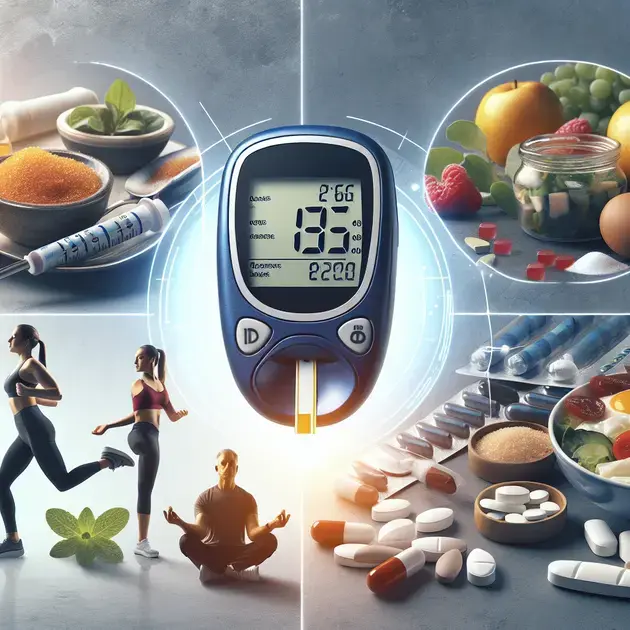
Improving your glucose levels naturally is essential for overall health and well-being. One effective way to achieve this is by maintaining a balanced diet. Include a variety of nutrient-dense foods such as fruits, vegetables, whole grains, and lean proteins in your meals. These foods can help regulate blood sugar levels and prevent spikes.
Regular physical activity is another key factor in optimizing glucose levels. Engaging in exercises such as walking, jogging, or cycling can improve insulin sensitivity and help your body utilize glucose more effectively. Aim for at least 30 minutes of moderate exercise most days of the week.
In addition to diet and exercise, managing stress is crucial for glucose regulation. High stress levels can impact blood sugar levels negatively. Practice relaxation techniques such as yoga, meditation, or deep breathing exercises to reduce stress and promote better glucose control.
Getting an adequate amount of quality sleep is also important for optimizing glucose levels naturally. Lack of sleep can disrupt insulin production and lead to increased blood sugar levels. Aim for 7-9 hours of sleep per night to support optimal glucose regulation.
Furthermore, staying hydrated is essential for overall health and glucose control. Drink plenty of water throughout the day to help your body maintain proper hydration levels and support metabolic function. Limit sugary beverages and opt for water or herbal teas instead.
Implementing Lifestyle Changes for Blood Sugar Control
When focusing on blood sugar control, implementing lifestyle changes is key to achieving long-term success. One important step is monitoring your blood sugar levels regularly. By keeping track of your levels, you can identify patterns and make necessary adjustments to your diet and lifestyle.
Another lifestyle change for blood sugar control is meal planning. Prepare balanced meals that include a mix of carbohydrates, proteins, and fats to help maintain stable blood sugar levels throughout the day. Avoid skipping meals and aim for consistent eating times.
Engaging in regular physical activity is essential for blood sugar control. Incorporate both aerobic exercises and strength training into your routine to improve insulin sensitivity and glucose utilization. Find activities that you enjoy to make exercise a sustainable part of your lifestyle.
Incorporating stress-management techniques, such as mindfulness practices or hobbies, can also support blood sugar control. Chronic stress can lead to elevated blood sugar levels, so prioritizing relaxation and self-care is crucial for overall well-being.
Lastly, building a strong support system can enhance your efforts towards blood sugar control. Surround yourself with family, friends, or a healthcare team that can provide encouragement, accountability, and guidance as you navigate lifestyle changes to manage your blood sugar levels effectively.
Incorporating Healthy Habits for Improved Glucose Regulation
Building healthy habits is fundamental for improved glucose regulation and overall health. Start by focusing on portion control and mindful eating. Be conscious of serving sizes and listen to your body’s hunger and fullness cues to prevent overeating and regulate blood sugar levels.
Choose whole, unprocessed foods whenever possible to support glucose regulation. Incorporate plenty of fiber-rich foods like fruits, vegetables, legumes, and whole grains into your meals to promote satiety and slow down the absorption of sugar into the bloodstream.
Stay consistent with your meal timings and avoid prolonged periods of fasting to maintain stable blood sugar levels. Aim for regular meals and snacks throughout the day to keep your energy levels steady and prevent blood sugar spikes.
Hydration plays a crucial role in glucose regulation, so be sure to drink an adequate amount of water daily. Limit sugary beverages and opt for herbal teas or infused water to stay hydrated without added sugars that can impact blood sugar levels.
Prioritize getting regular physical activity to support improved glucose regulation. Find activities that you enjoy and make them a regular part of your routine to help manage weight, improve insulin sensitivity, and enhance overall glucose control.
Conclusion
In conclusion, optimizing your glucose levels naturally is crucial for overall health and well-being. By maintaining a balanced diet rich in nutrient-dense foods like fruits, vegetables, whole grains, and lean proteins, you can effectively regulate blood sugar levels and prevent spikes. Combining this with regular physical activity, such as walking, jogging, or cycling, enhances insulin sensitivity and glucose utilization.
Additionally, managing stress through relaxation techniques like yoga and meditation is paramount for glucose regulation. Quality sleep of 7-9 hours per night supports optimal glucose levels, while staying hydrated with water throughout the day is essential for metabolic function. Limiting sugary beverages further aids in maintaining stable blood sugar levels.
Implementing lifestyle changes for blood sugar control, including monitoring levels, proper meal planning, engaging in physical activity, and stress management, is vital for long-term success. Building a support system of family, friends, or healthcare professionals can provide the necessary encouragement and guidance for effectively managing blood sugar levels. By incorporating healthy habits like portion control, mindful eating, and regular physical activity, you can significantly improve glucose regulation and overall health.
.

