
Type 1 and Type 2 Diabetes are both conditions that affect the way the body regulates blood sugar, but they have distinct differences that set them apart. Understanding these differences is crucial for proper management and treatment of the two types of diabetes.
While Type 1 Diabetes is typically diagnosed in childhood and is an autoimmune condition where the immune system attacks insulin-producing cells, Type 2 Diabetes is more common in adults and is often linked to lifestyle factors such as obesity and lack of physical activity. Knowing how each type of diabetes develops and manifests can help individuals make informed choices about their health.
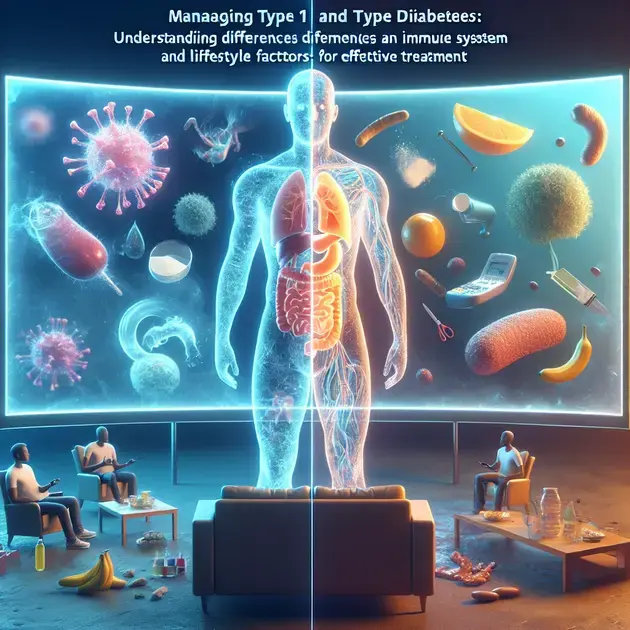
The Role of Immune System in Type 1 Diabetes
Type 1 diabetes is an autoimmune disease in which the immune system attacks and destroys insulin-producing beta cells in the pancreas. Understanding the role of the immune system in type 1 diabetes is crucial in managing the condition effectively. Here is a step-by-step guide on how the immune system plays a part in type 1 diabetes:
1. Autoimmunity Trigger:
When the immune system mistakenly targets and attacks the beta cells in the pancreas, it impairs the body’s ability to produce insulin. This autoimmune response is a key factor in the development of type 1 diabetes. To learn more about autoimmune diseases and their impact on the body, you can visit the National Institute of Allergy and Infectious Diseases (NIAID) website.
2. Inflammation and Destruction:
After the initial attack on beta cells, inflammation occurs in the pancreas, leading to further destruction of insulin-producing cells. This process eventually results in insulin deficiency, causing high blood sugar levels. To understand the connection between inflammation and diabetes, you can explore resources on the American Diabetes Association (ADA) website.
3. Genetic Predisposition:
Genetic factors also play a role in the immune system’s response in type 1 diabetes. Certain genetic markers can increase the risk of developing the condition. To assess your genetic predisposition to type 1 diabetes, genetic testing services like 23andMe can provide valuable insights.
4. Immunotherapy Approaches:
Researchers are exploring various immunotherapy approaches to modulate the immune response in type 1 diabetes. These treatments aim to restore immune balance and preserve beta cell function. Clinical trials databases like ClinicalTrials.gov offer information on ongoing studies related to immunotherapy for type 1 diabetes.
5. Monitoring and Management:
Regular monitoring of immune function and beta cell health is essential for individuals with type 1 diabetes. Working closely with healthcare providers and endocrinologists can help in managing the immune-mediated aspects of the condition. Diabetes management apps like MySugr provide tools for tracking blood sugar levels and immune-related parameters.
Lifestyle Factors and Type 2 Diabetes
Lifestyle factors play a significant role in the development and management of type 2 diabetes. Making positive lifestyle changes can help prevent the onset of the condition and improve overall health. Here is a detailed explanation of the impact of lifestyle factors on type 2 diabetes:
1. Diet and Nutrition:
Eating a balanced diet rich in fruits, vegetables, whole grains, and lean proteins can help regulate blood sugar levels and decrease the risk of type 2 diabetes. Websites like ChooseMyPlate.gov offer dietary guidelines and meal planning resources to support healthy eating habits.
2. Physical Activity:
Regular exercise can enhance insulin sensitivity and promote weight management, reducing the likelihood of developing type 2 diabetes. Fitness apps such as MyFitnessPal and Fitbit can assist in setting fitness goals and tracking physical activity progress.
3. Stress Management:
Chronic stress can contribute to insulin resistance and elevated blood sugar levels, increasing the risk of type 2 diabetes. Implementing stress-reducing techniques like mindfulness meditation and yoga can positively impact overall well-being. Apps like Headspace and Calm provide guided meditation sessions for stress relief.
4. Sleep Quality:
Inadequate sleep and poor sleep quality can disrupt hormonal balance and impair glucose metabolism, raising the likelihood of insulin resistance and type 2 diabetes. Utilizing sleep tracking apps such as Sleep Cycle or Fitbit can help monitor sleep patterns and improve sleep hygiene.
5. Tobacco and Alcohol Consumption:
Smoking and excessive alcohol consumption are linked to an increased risk of type 2 diabetes. Quitting smoking and moderating alcohol intake can significantly reduce the likelihood of developing the condition. Websites like Smokefree.gov offer resources and support for smoking cessation.
Managing Type 1 and Type 2 Diabetes Differences
While both type 1 and type 2 diabetes involve issues with blood sugar regulation, they differ in their underlying causes, treatment approaches, and management strategies. Understanding these differences is essential for effectively managing each type of diabetes. Here are key distinctions between type 1 and type 2 diabetes:
1. Etiology:
Type 1 diabetes is an autoimmune condition where the immune system attacks beta cells, leading to insulin deficiency. In contrast, type 2 diabetes is characterized by insulin resistance and impaired insulin production due to lifestyle and genetic factors. Websites like Beyond Type 1 and the American Diabetes Association provide detailed information on the differences in diabetes etiology.
2. Treatment Approach:
Individuals with type 1 diabetes require insulin therapy to manage blood sugar levels as their bodies do not produce insulin. On the other hand, treatment for type 2 diabetes often involves lifestyle modifications, oral medications, and, in some cases, insulin therapy. Diabetes management platforms like Livongo and One Drop offer personalized support for both types of diabetes treatment.
3. Monitoring Requirements:
Monitoring blood sugar levels and overall health differs between type 1 and type 2 diabetes. While individuals with type 1 diabetes may need to check blood sugars multiple times a day and adjust insulin doses accordingly, those with type 2 diabetes focus on lifestyle changes and periodic blood sugar monitoring. Glucose monitoring systems like Dexcom and Freestyle Libre facilitate continuous glucose monitoring for diabetes management.
4. Complications Risk:
Both type 1 and type 2 diabetes can lead to serious complications if not managed properly. Type 1 diabetes is associated with a higher risk of ketoacidosis, while type 2 diabetes is linked to complications such as cardiovascular diseases and neuropathy. Educational resources from organizations like the Juvenile Diabetes Research Foundation (JDRF) and Diabetes.co.uk offer insights into managing diabetes-related complications based on the type.
5. Genetic Factors:
Genetic predisposition plays a more significant role in type 1 diabetes, whereas type 2 diabetes is influenced by both genetic and lifestyle factors. Understanding the genetic basis of each type of diabetes can help tailor treatment plans and lifestyle interventions effectively. Genetic testing services like AncestryDNA and Color Genomics offer insights into genetic predispositions related to diabetes.
Key Differences in Symptoms of Type 1 and Type 2 Diabetes
Diabetes is a chronic condition that affects how your body metabolizes sugar. Type 1 and Type 2 diabetes have some key differences in symptoms, even though both involve high blood sugar levels. Type 1 diabetes is typically diagnosed in children and young adults, where the immune system mistakenly attacks insulin-producing beta cells in the pancreas. Symptoms of Type 1 diabetes can develop quickly and significantly, such as extreme thirst, frequent urination, and sudden weight loss.
On the other hand, Type 2 diabetes is more common in adults and is often related to lifestyle factors like obesity and lack of physical activity. Symptoms of Type 2 diabetes may be more gradual and include fatigue, blurred vision, slow-healing sores, and frequent infections. Unlike Type 1 diabetes, Type 2 diabetes may not always present noticeable symptoms in the early stages, making it crucial to have regular check-ups for early detection.
Recognizing the differences in symptoms between Type 1 and Type 2 diabetes is vital for proper diagnosis and management. While both conditions involve high blood sugar levels, their underlying causes and symptom profiles can vary significantly.
Nutritional Guidelines for Type 1 and Type 2 Diabetes
Managing diabetes involves following specific nutritional guidelines to help control blood sugar levels and prevent complications. For individuals with Type 1 diabetes, a consistent intake of carbohydrates is essential to match insulin doses accurately. Monitoring portion sizes and choosing whole grains, fruits, vegetables, lean proteins, and healthy fats can help stabilize blood sugar levels throughout the day.
For those with Type 2 diabetes, focusing on a balanced diet rich in fiber and low in added sugars and saturated fats is key. Emphasizing vegetables, fruits, whole grains, lean proteins, and dairy products can help regulate blood sugar levels and support overall health. Portion control and mindful eating practices are also important for managing weight and blood sugar levels.
Consulting with a healthcare provider or a registered dietitian is recommended to create a personalized meal plan that aligns with individual dietary needs and preferences. Adhering to nutritional guidelines specific to Type 1 and Type 2 diabetes can improve glucose control and reduce the risk of complications associated with the condition.
Preventive Measures for Type 1 and Type 2 Diabetes
While Type 1 diabetes is not preventable due to its autoimmune nature, there are some preventive measures that can help reduce the risk of Type 2 diabetes. Maintaining a healthy weight through regular physical activity and a balanced diet can lower the likelihood of developing Type 2 diabetes. Engaging in at least 150 minutes of moderate exercise per week and incorporating strength training exercises can improve insulin sensitivity and overall health.
Avoiding smoking and excessive alcohol consumption, managing stress levels, and getting an adequate amount of sleep are also crucial in diabetes prevention. Monitoring blood sugar levels regularly, especially for individuals with a family history of diabetes or other risk factors, can aid in early detection and intervention. By adopting a healthy lifestyle and preventive strategies, individuals can take proactive steps to reduce the risk of developing Type 2 diabetes and promote overall well-being.
Conclusion
Understanding the differences in symptoms between Type 1 and Type 2 diabetes is crucial for accurate diagnosis and effective management. While Type 1 diabetes often manifests in children and young adults with rapid and noticeable symptoms like extreme thirst and sudden weight loss, Type 2 diabetes, more common in adults, can present gradual signs such as fatigue and blurred vision. Regular check-ups are essential for the early detection of Type 2 diabetes, considering its potential lack of immediate symptoms.
Nutrition plays a pivotal role in managing both Type 1 and Type 2 diabetes. Individuals with Type 1 diabetes should focus on a consistent carbohydrate intake to align with insulin doses accurately. Whole grains, fruits, vegetables, lean proteins, and healthy fats form a balanced diet essential for stabilizing blood sugar levels throughout the day. On the other hand, those with Type 2 diabetes benefit from a diet rich in fiber, low in added sugars, and portion-controlled, emphasizing the importance of vegetables, fruits, whole grains, lean proteins, and dairy products.
Preventive measures are crucial, especially for Type 2 diabetes, where lifestyle factors significantly influence the onset of the condition. Maintaining a healthy weight through physical activity and a well-balanced diet can lower the risk of developing Type 2 diabetes. Avoiding smoking, managing stress, and ensuring sufficient sleep are additional preventive strategies that contribute to overall well-being. Regular monitoring of blood sugar levels and early intervention for individuals with risk factors or a family history of diabetes are vital steps in preventing the progression of Type 2 diabetes.

