
Gum disease, also known as periodontal disease, is a common yet potentially serious condition that affects the tissues surrounding and supporting the teeth. It is important to be aware of the signs and symptoms of gum disease so that you can take timely action to prevent further complications.
From persistent bad breath to gums that bleed easily, there are various indications that you may have gum disease. Understanding these signs and symptoms can help you identify the issue early on, leading to better treatment outcomes and overall improved oral health.
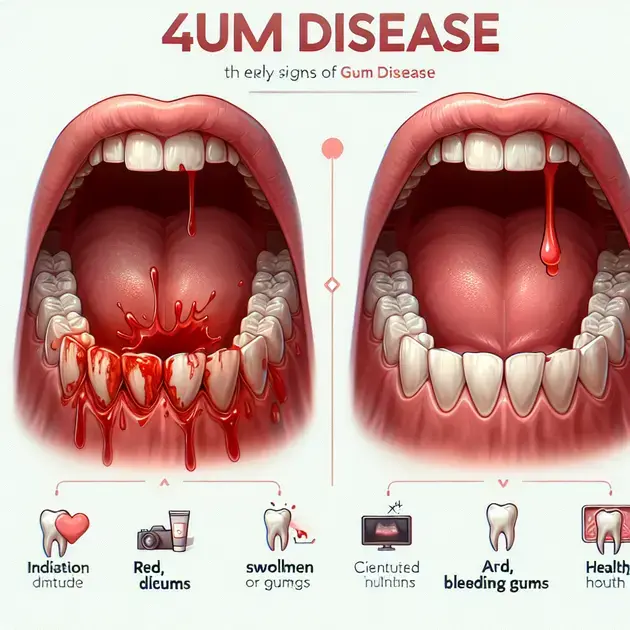
Recognizing Early Signs of Gum Disease
Gum disease can often be silent and painless in its early stages, making it important to recognize the early signs to prevent further complications. Some of the common early signs of gum disease include:
- Bleeding gums when brushing or flossing
- Swollen or tender gums
- Receding gums
- Persistent bad breath
- Persistent bad taste in the mouth
To recognize these early signs, regularly inspect your gums in the mirror for any changes in color or texture. If you notice any of these symptoms, it’s crucial to take action promptly to address the gum disease.
How to Recognize Bleeding Gums:
To check for bleeding gums, gently brush your teeth and floss. If you notice any bleeding, it could be a sign of gum disease. Make sure to schedule an appointment with your dentist to assess the condition of your gums and receive appropriate treatment.
How to Recognize Swollen Gums:
If your gums appear swollen and red, it may indicate inflammation due to gum disease. Using an antibacterial mouthwash can help reduce the swelling and address the early stages of gum disease. Look for mouthwashes containing ingredients like chlorhexidine to combat bacteria effectively.
How to Recognize Receding Gums:
Receding gums can expose the roots of your teeth and lead to sensitivity. To prevent further recession, consider using a soft-bristled toothbrush and practicing gentle brushing techniques. Additionally, using a desensitizing toothpaste can help alleviate any discomfort caused by receding gums.
How to Recognize Bad Breath and Bad Taste:
Chronic bad breath and a persistent bad taste in your mouth can be signs of gum disease. To address these symptoms, maintain a good oral hygiene routine by brushing twice a day, flossing daily, and using a tongue scraper to remove bacteria from your tongue. Drinking plenty of water and chewing sugar-free gum can also help freshen your breath.
Common Symptoms to Look Out For
As gum disease progresses, the symptoms may become more severe and noticeable. Some common symptoms to look out for include:
- Loose teeth
- Painful chewing
- New spaces developing between your teeth
- Pus around the teeth and gums
- A change in your bite
It’s essential to be vigilant about these symptoms and seek professional dental care as soon as possible to prevent further damage to your oral health.
How to Recognize Loose Teeth:
If you notice any looseness or shifting of your teeth, it could indicate advanced gum disease. Schedule an appointment with your dentist for an evaluation and to discuss potential treatment options, which may include deep cleaning or periodontal surgery.
How to Address Painful Chewing:
Pain or discomfort while chewing can be a sign of gum disease affecting the supporting structures of your teeth. Avoid hard or crunchy foods that exacerbate the pain and focus on consuming soft, easy-to-chew foods. Your dentist may recommend a mouthguard to alleviate pressure on your teeth while chewing.
How to Deal with New Spaces Between Teeth:
If you notice new gaps or spaces developing between your teeth, it could be a result of gum recession caused by gum disease. Consider using interdental brushes or dental picks to clean between your teeth effectively and prevent further progression of the disease. Your dentist may also recommend dental bonding or veneers to close the gaps.
How to Address Pus Around Teeth and Gums:
Pus in the mouth signifies a significant infection that requires immediate attention. Contact your dentist right away if you observe pus around your teeth or gums. Your dentist may prescribe antibiotics to eliminate the infection and recommend additional treatments to restore your oral health.
How to Manage Changes in Your Bite:
If you experience a noticeable change in your bite or the alignment of your teeth, it could be a sign of advanced gum disease. Consulting with an orthodontist or a periodontist can help assess the extent of the damage and determine the best course of action to address the changes in your bite.
Take Action: How to Address Gum Disease
Once you recognize the early signs and symptoms of gum disease, it’s crucial to take proactive steps to address the issue and prevent further progression. Here are some essential actions you can take to address gum disease:
- Schedule a dental appointment: Visit your dentist for a comprehensive evaluation of your oral health and to determine the extent of the gum disease.
- Improve your oral hygiene routine: Brush your teeth twice a day, floss daily, and use an antiseptic mouthwash to reduce bacteria in your mouth.
- Quit smoking: Smoking can worsen gum disease and hinder the healing process. Consider quitting smoking to improve your oral health.
- Follow a balanced diet: Consume a diet rich in fruits and vegetables to support gum health and boost your immune system.
- Consider professional treatment: Depending on the severity of the gum disease, your dentist may recommend treatments such as scaling and root planing, antibiotics, or surgery to restore your gum health.
By taking proactive steps and following these recommendations, you can effectively address gum disease and maintain a healthy smile for years to come.

Recognize the Initial Indications of Periodontal Disease
Recognizing the initial indications of periodontal disease is crucial for early intervention and treatment. One of the first signs to watch out for is bleeding gums, especially when brushing or flossing. Additionally, if you notice persistent bad breath or a bad taste in your mouth, it could be an early sign of gum disease.
Another indication of periodontal disease is the presence of swollen or red gums. Healthy gums should appear pink and firm, so any changes in color or texture should be monitored closely. If you experience gum sensitivity or pain when chewing, it could be a symptom of gum disease.
Loose or shifting teeth are also common signs of periodontal disease. As the gum tissues become inflamed and the bone supporting the teeth weakens, teeth may start to move or feel loose. It is essential to recognize these initial indications and seek professional dental care to prevent the progression of gum disease.
Frequent Warning Signs to Watch For
There are several frequent warning signs of gum disease that individuals should be vigilant about. One of the key symptoms is gum recession, where the gums pull back from the teeth, exposing the roots. This can lead to increased tooth sensitivity and vulnerability to decay.
Another common warning sign is the formation of deep pockets between the teeth and gums. These pockets can harbor bacteria and food debris, leading to infection and further gum damage if left untreated. Persistent swelling or tenderness in the gums should not be ignored, as it could indicate an underlying gum infection.
Individuals with gum disease may also experience changes in their bite or the way their teeth fit together. This can result from the loss of bone support due to gum disease progression. If you notice any of these frequent warning signs, it is essential to consult with a dental professional for a comprehensive evaluation and personalized treatment plan.
Implementing Strategies to Combat Gum Disease
Combatting gum disease requires a multi-faceted approach that includes both professional dental care and diligent oral hygiene practices at home. Regular dental check-ups and cleanings are essential for monitoring gum health and addressing any issues promptly.
In addition to professional care, individuals can implement strategies at home to combat gum disease. This includes maintaining a consistent oral hygiene routine of brushing twice a day and flossing daily to remove plaque and bacteria from the teeth and gums. Using an antimicrobial mouthwash can also help reduce bacteria and promote gum health.
Adopting a balanced diet rich in vitamins and minerals can support overall gum health and boost the immune system’s ability to fight infection. Avoiding tobacco products and limiting sugary snacks can also contribute to preventing gum disease. By combining professional treatment with proactive home care strategies, individuals can effectively combat gum disease and maintain optimal oral health.
Conclusion
In conclusion, recognizing the initial indications of periodontal disease is paramount for timely intervention and effective treatment. Key signs such as bleeding gums, persistent bad breath, swollen or red gums, and loose teeth should not be overlooked, as they may indicate the onset of gum disease. By staying vigilant and seeking professional dental care at the first sign of trouble, individuals can prevent the progression of periodontal disease and maintain good oral health.
Furthermore, paying attention to frequent warning signs like gum recession, the formation of deep pockets between teeth and gums, and changes in bite alignment is crucial. These signs highlight the importance of consulting with a dental professional for a thorough evaluation and personalized treatment plan to address any underlying gum issues promptly.
To combat gum disease effectively, a comprehensive approach involving regular dental check-ups, diligent oral hygiene practices, and a balanced diet is essential. By brushing and flossing daily, using antimicrobial mouthwash, and adopting a nutrient-rich diet, individuals can promote gum health and boost their immune system to fight infections. Avoiding tobacco products and sugary snacks also plays a significant role in preventing gum disease and maintaining optimal oral health.

