
Gum disease is a common oral health issue that affects many people worldwide. Recognizing the signs and symptoms of gum disease is crucial for early detection and treatment. By understanding what to look out for, you can take proactive steps to maintain your oral health.
From red, swollen gums to persistent bad breath, the signs of gum disease can vary in severity. Regular dental check-ups and proper oral hygiene practices can help in identifying and addressing any potential issues early on. In this blog post, we will discuss how to recognize the symptoms of gum disease and the importance of seeking professional dental care for optimal oral health.

Warning Signs of Gum Disease to Watch For
Gum disease, also known as periodontal disease, can have serious consequences if left untreated. It is important to be vigilant and watch out for warning signs that may indicate the presence of gum disease. Here are some common signs to watch for:
Bleeding Gums
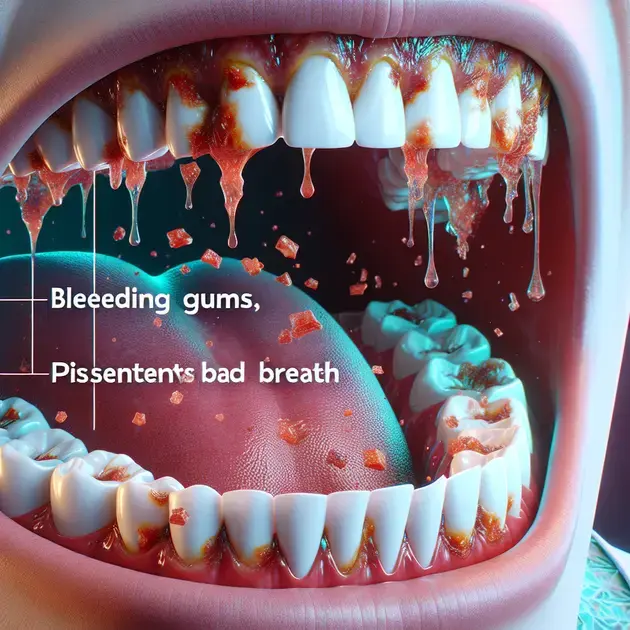
If you notice that your gums bleed easily when brushing or flossing, it could be a sign of gum disease. Pay attention to any changes in the frequency or amount of bleeding.
Swollen or Tender Gums
Gums that are swollen, tender, or red may indicate gum disease. If you experience pain or discomfort in your gums, it is important to consult with a dentist for evaluation.
Receding Gums
Receding gums, where the gum line starts to pull back from the teeth, can be a sign of gum disease. This can lead to exposed tooth roots and increased sensitivity.
Persistent Bad Breath
Bad breath that doesn’t go away even with good oral hygiene could be a symptom of gum disease. It is important to address the underlying cause of the bad breath to prevent further complications.
Persistent Pus Around the Teeth
If you notice pus or discharge around the teeth and gums, it could be a sign of an infection related to gum disease. Prompt treatment is essential to prevent the spread of infection.
Understanding Early Symptoms of Gum Disease
Recognizing the early symptoms of gum disease can help prevent the progression of the condition and avoid serious complications. Here are some key early symptoms to be aware of:
Gingivitis
Gingivitis is the early stage of gum disease characterized by red, swollen gums that may bleed easily. This condition is reversible with proper oral hygiene and regular dental care.
Gum Pocket Formation
As gum disease progresses, pockets can form between the gums and teeth where bacteria can accumulate. Monitoring pocket depth during dental exams can help detect gum disease early.
Changes in Bite or Tooth Alignment
Changes in the alignment of teeth or bite can be a symptom of advanced gum disease. Seeking prompt treatment can help prevent further damage to the gums and teeth.
Gum Sensitivity
Increased sensitivity in the gums, especially to hot or cold temperatures, can be an early sign of gum disease. Addressing this sensitivity early on can help prevent complications.
Loose Teeth
Loose teeth can be a result of the supporting structures being compromised by gum disease. Early detection and treatment are crucial to preserving the teeth and supporting tissues.
The Importance of Prompt Recognition and Treatment
Recognizing the signs of gum disease early and seeking prompt treatment is crucial for maintaining oral health and preventing long-term consequences. Here are the steps to take for prompt recognition and treatment:
Regular Dental Check-ups
Attend regular dental check-ups to allow your dentist to monitor your oral health and detect early signs of gum disease. Schedule cleanings and exams at least twice a year.
Maintain Good Oral Hygiene
Brush and floss your teeth daily to remove plaque and bacteria that can lead to gum disease. Use antibacterial mouthwash and follow a healthy oral care routine.
Professional Cleanings
Professional cleanings by a dental hygienist can help remove tartar buildup that regular brushing and flossing may miss. Schedule cleanings as recommended by your dentist.
Prompt Treatment of Any Symptoms
If you notice any warning signs or symptoms of gum disease, such as bleeding gums or persistent bad breath, seek prompt treatment from your dentist. Early intervention can prevent the progression of the disease.
Follow-up Care
Follow your dentist’s recommendations for follow-up care and treatment to ensure that gum disease is properly managed and monitored. Be proactive in caring for your oral health to prevent future issues.
Important Dental Hygiene Habits for Kids
Good dental hygiene habits are essential for children to maintain a healthy smile and prevent dental issues in the future. It is important for parents to instill these habits in their kids from a young age to ensure proper oral care. Here are some important dental hygiene habits that every child should follow:
1. Brushing Twice a Day
Brushing their teeth at least twice a day is crucial for kids to remove plaque and food particles that can lead to tooth decay. Encourage your child to brush in the morning and before bed to maintain good oral hygiene.
2. Flossing Daily
In addition to brushing, flossing daily is important to clean between the teeth and along the gumline. Flossing helps to remove plaque and prevent cavities in hard-to-reach areas that a toothbrush may not reach.
3. Limiting Sugary Treats
Consuming sugary foods and drinks can contribute to tooth decay. Encourage your child to limit their intake of sugary treats and opt for healthier snacks like fruits and vegetables. This will help maintain their oral health and overall well-being.
4. Regular Dental Check-ups
Taking your child to the dentist for regular check-ups is essential for early detection of any dental issues. A dentist can provide professional cleaning, monitor dental development, and address any concerns about oral hygiene practices.
5. Using Fluoride Toothpaste
Fluoride toothpaste is recommended for children as it helps strengthen tooth enamel and prevent cavities. Make sure your child uses a pea-sized amount of fluoride toothpaste when brushing to ensure proper dental care.
Common Causes of Tooth Sensitivity
Tooth sensitivity can be a common dental issue that children may experience. Understanding the causes of tooth sensitivity can help parents take the necessary steps to alleviate discomfort and maintain oral health. Here are some common causes of tooth sensitivity:
1. Tooth Decay
Decay or cavities in the teeth can expose the inner layers of the tooth, leading to sensitivity to hot, cold, or sweet foods and drinks. Proper dental hygiene practices can help prevent tooth decay and reduce sensitivity.
2. Enamel Erosion
Enamel erosion, often caused by acidic foods and drinks, can wear down the protective layer of the teeth and expose the underlying dentin. This can result in sensitivity to temperature changes and certain foods.
3. Brushing Too Hard
Brushing the teeth too hard or using a hard-bristled toothbrush can damage the enamel and irritate the gums, leading to tooth sensitivity. Encourage your child to use a soft-bristled toothbrush and gentle brushing technique to prevent sensitivity.
4. Gum Recession
Gum recession, where the gums pull back from the teeth, can expose the tooth roots and cause sensitivity to cold or hot stimuli. Maintaining good oral hygiene and regular dental check-ups can help prevent gum recession and sensitivity.
5. Teeth Grinding
Teeth grinding, also known as bruxism, can wear down the enamel and lead to tooth sensitivity. Using a mouthguard at night, managing stress, and addressing any underlying causes of teeth grinding can help reduce sensitivity in children.
The Benefits of Regular Dental Check-ups
Scheduling regular dental check-ups for your child is essential for maintaining their oral health and overall well-being. Here are some key benefits of regular dental check-ups:
1. Early Detection of Dental Issues
Regular dental check-ups allow the dentist to detect any potential dental issues early on, such as cavities, gum disease, or misalignment. Early intervention can prevent more serious problems and save on treatment costs in the long run.
2. Professional Cleaning
Dental check-ups include professional cleaning to remove plaque and tartar buildup that may contribute to tooth decay and gum disease. Professional cleaning helps maintain oral hygiene and prevents dental issues.
3. Monitoring Dental Development
Children’s dental development is closely monitored during regular check-ups to ensure proper growth of teeth and jaws. The dentist can address any concerns about dental alignment, eruption of permanent teeth, or oral habits that may affect oral health.
4. Oral Health Education
Dentists provide valuable oral health education during check-ups, including tips on proper brushing, flossing, and dietary habits. This helps children develop good oral hygiene habits and understand the importance of taking care of their teeth.
5. Preventive Treatments
Preventive treatments such as fluoride application, dental sealants, or orthodontic evaluations may be recommended during regular dental check-ups to prevent dental issues and maintain oral health. These treatments can help protect your child’s teeth and smile.
conclusion
In conclusion, instilling good dental hygiene habits in children from a young age is crucial for maintaining a healthy smile and preventing future dental issues. Emphasizing habits such as brushing twice a day, daily flossing, limiting sugary treats, attending regular dental check-ups, and using fluoride toothpaste are essential steps to ensure proper oral care for kids.
Proper Oral Care Practices
Encouraging children to brush their teeth at least twice a day and floss daily helps in removing plaque and food particles, preventing tooth decay, and cavities. Limiting sugary treats and opting for healthier snacks like fruits and vegetables can significantly contribute to maintaining their overall oral health and well-being.
Benefits of Regular Dental Check-ups
Scheduling regular dental check-ups plays a vital role in early detection of dental issues, receiving professional cleaning, monitoring dental development, gaining oral health education, and receiving preventive treatments. These benefits not only help in preventing serious dental problems but also in promoting a lifetime of good oral hygiene practices for children.

