
Is Plastic Water Bottle Recycling Worth the Effort?
Plastic water bottles are a common sight in our daily lives, but have you ever wondered if recycling them is truly worth the effort? In this blog post, we delve into the environmental impact of plastic bottle recycling and explore whether the benefits outweigh the costs. Let’s uncover the facts and myths surrounding plastic water bottle recycling to help you make informed decisions about this everyday practice.
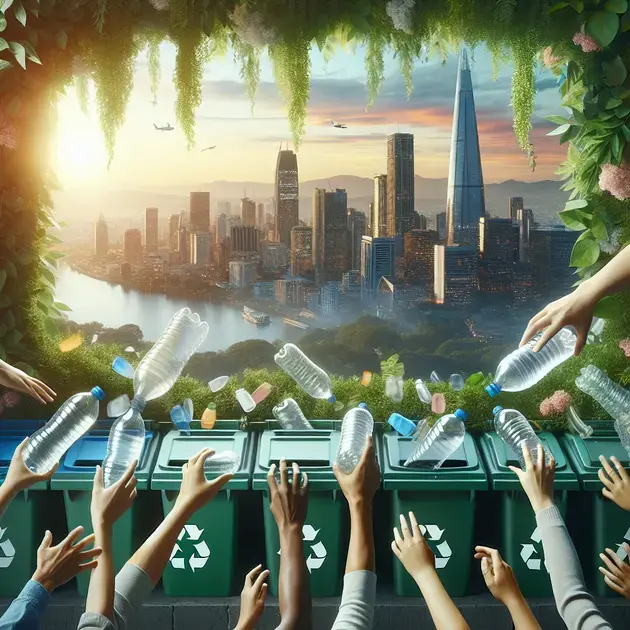
Reduce Environmental Impact with Plastic Water Bottle Recycling
Plastic water bottles are one of the most common sources of pollution, impacting our environment significantly. By recycling plastic water bottles, we can reduce the amount of waste that ends up in landfills or oceans. One easy way to recycle these bottles is by using dedicated recycling bins in your community or workplace. Apps like RecycleNation can help you locate the nearest recycling facilities for plastic bottles, making it convenient for you to dispose of them responsibly.
Additionally, many supermarkets and grocery stores offer bottle return programs where you can return your empty plastic bottles in exchange for discounts or rewards. These programs not only promote recycling but also incentivize individuals to participate in environmental initiatives. By taking advantage of these programs, you can contribute to reducing the environmental impact of plastic water bottles.
Moreover, educating yourself and others on the importance of recycling plastic bottles can create a ripple effect in your community. Share information on social media platforms or organize awareness campaigns to encourage more people to recycle their plastic water bottles. Together, we can make a difference in preserving our environment for future generations.
Remember, every bottle counts when it comes to recycling. By incorporating simple recycling habits into your daily routine, you can significantly reduce the environmental impact of plastic water bottles and contribute to a cleaner, healthier planet.
The Economic Benefits of Recycling Plastic Water Bottles
Recycling plastic water bottles not only has environmental benefits but also significant economic advantages. When plastic bottles are recycled, the materials can be used to create new products, reducing the need for virgin plastic production. This process supports the circular economy and reduces production costs for manufacturers.
Furthermore, recycling plastic bottles helps conserve energy and resources that would otherwise be used in the production of new plastic items. By participating in recycling programs and ensuring your plastic bottles are properly recycled, you are contributing to energy savings and resource preservation on a larger scale.
In addition, many recycling facilities and programs offer monetary incentives for recycling plastic bottles. Some states have bottle deposit systems where consumers receive a refund for returning their empty bottles. These financial incentives not only promote recycling but also provide individuals with an opportunity to earn extra income while protecting the environment.
By understanding the economic benefits of recycling plastic water bottles, you can actively participate in sustainable practices that benefit both the environment and the economy. Make a conscious effort to recycle your plastic bottles and support initiatives that promote resource conservation and economic growth.
Tips for Successful Plastic Water Bottle Recycling
Recycling plastic water bottles effectively requires some essential tips to ensure your efforts are impactful. Start by always emptying and rinsing your plastic bottles before recycling them to prevent contamination in the recycling process. Residual liquids or substances can affect the quality of recycled materials.
Another tip is to check the recycling guidelines in your area to understand which types of plastic bottles are accepted for recycling. Different recycling facilities may have specific requirements, so familiarizing yourself with the guidelines can help streamline the recycling process.
Consider investing in a reusable water bottle to reduce your reliance on single-use plastic bottles. By using a durable and eco-friendly water bottle, you can significantly decrease the amount of plastic waste generated daily. This simple switch can have a long-lasting impact on the environment.
Stay informed about local recycling events or collection drives in your community to ensure your plastic bottles are recycled properly. Participating in these initiatives can help you connect with other eco-conscious individuals and contribute to larger recycling efforts in your area.
Lastly, encourage your friends, family, and colleagues to join you in recycling plastic water bottles. By raising awareness and promoting sustainable habits, you can inspire others to take action and become advocates for environmental conservation. Together, we can make a meaningful difference in protecting our planet.
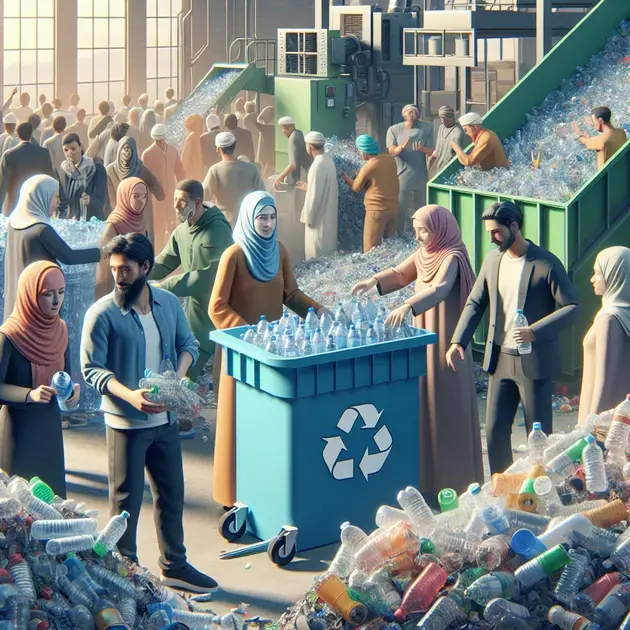
**Reduce Environmental Impact with Plastic Water Bottle Recycling**
Introduction
Plastic water bottles are a common item in today’s society, but their disposal has a significant environmental impact. By recycling plastic water bottles, we can reduce the amount of plastic waste ending up in landfills and oceans, helping to protect our planet for future generations.
Benefits of Recycling
Recycling plastic water bottles not only helps to conserve natural resources and reduce greenhouse gas emissions but also plays a crucial role in minimizing pollution. The process of recycling plastic water bottles involves melting them down to create new products, saving energy and reducing the need for raw materials.
Environmental Impact
Improper disposal of plastic water bottles can lead to pollution of waterways, harming marine life and ecosystems. By recycling these bottles, we can help prevent this pollution, contributing to a cleaner and healthier environment for all organisms.
Community Engagement
Encouraging others to recycle their plastic water bottles can have a ripple effect, raising awareness about the importance of proper waste management and reducing individual carbon footprints. By taking small actions like recycling, we can collectively make a significant impact on the environment.
Conclusion
Recycling plastic water bottles is a simple yet effective way to reduce our environmental impact and promote sustainability. By incorporating recycling into our daily routines, we can contribute to a cleaner, greener future for generations to come.
**The Economic Benefits of Recycling Plastic Water Bottles**
Cost Savings
Recycling plastic water bottles can lead to significant cost savings for businesses and communities. By reusing materials from recycled bottles, companies can reduce production costs and energy expenditures, ultimately benefiting the economy.
Job Creation
The recycling industry creates jobs in various sectors, from collection and processing to manufacturing and distribution. By supporting the recycling of plastic water bottles, we can contribute to job growth and economic development in our communities.
Market Demand
There is a growing demand for recycled materials in the market, including plastic from water bottles. By recycling these bottles, we can help meet this demand and support a circular economy that promotes sustainability and resource efficiency.
Investment Opportunities
Investing in recycling infrastructure and technology for plastic water bottles presents opportunities for long-term financial returns. By capitalizing on the economic benefits of recycling, businesses and investors can contribute to a more sustainable future.
Conclusion
The economic benefits of recycling plastic water bottles extend beyond cost savings to include job creation, market demand, and investment opportunities. By prioritizing recycling efforts, we can foster a thriving economy while promoting environmental stewardship.
**Tips for Successful Plastic Water Bottle Recycling**
Education and Awareness
Spread awareness about the importance of recycling plastic water bottles through educational campaigns and community outreach programs. By educating the public about the benefits of recycling, we can increase participation and promote sustainable practices.
Convenient Recycling Facilities
Ensure easy access to recycling facilities for plastic water bottles in your area. By making recycling convenient and accessible, more people will be encouraged to participate and contribute to environmental conservation efforts.
Proper Sorting and Preparation
To ensure successful recycling, it is essential to properly sort and prepare plastic water bottles for recycling. Remove caps and labels, rinse bottles thoroughly, and follow local recycling guidelines to maximize the efficiency of the recycling process.
Support Recycling Programs
Support local recycling programs and initiatives that focus on plastic water bottle recycling. By engaging with these programs, you can help promote sustainable waste management practices and contribute to a cleaner environment.
Collaborate with Stakeholders
Collaborate with stakeholders, including businesses, governments, and environmental organizations, to enhance plastic water bottle recycling efforts. By working together, we can create a more efficient and effective recycling system that benefits both the economy and the environment.
Conclusion
Recycling plastic water bottles is a crucial step towards reducing environmental impact and promoting sustainability. By actively participating in recycling programs and initiatives, individuals can contribute to conserving natural resources, minimizing pollution, and supporting the circular economy.
Not only does recycling plastic water bottles benefit the environment by reducing waste in landfills and oceans, but it also offers significant economic advantages. Through cost savings, job creation, and investment opportunities, the recycling industry presents a pathway to fostering a thriving economy while preserving the planet.
In addition, successful plastic water bottle recycling requires education, awareness, and community engagement. By spreading the importance of recycling, ensuring convenient access to recycling facilities, and collaborating with stakeholders, we can amplify the impact of our recycling efforts and create a more sustainable future.

