
High blood pressure, also known as hypertension, is a common condition that can have serious consequences if left untreated. It often has no symptoms, which is why it is often referred to as a “silent killer.” But how can you tell if you have high blood pressure?
One way to determine if you have high blood pressure is to regularly monitor your blood pressure at home using a blood pressure monitor. Additionally, scheduling regular check-ups with your healthcare provider can help detect any potential issues early on.
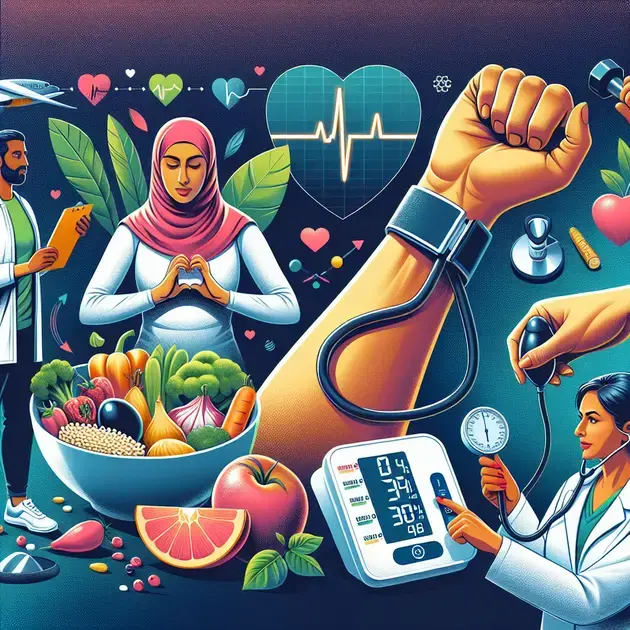
Symptoms of High Blood Pressure
High blood pressure, also known as hypertension, is a common condition that often goes unnoticed due to its lack of noticeable symptoms. However, there are some signs that may indicate high blood pressure, such as severe headaches, fatigue, vision problems, chest pain, difficulty breathing, and irregular heartbeat. If you experience any of these symptoms, it is important to monitor your blood pressure regularly.
One way to check for high blood pressure symptoms is to use a blood pressure monitor at home. There are various apps available that can help you record and track your blood pressure readings, such as “Blood Pressure Diary” or “Heart Habit.” These apps usually have features that allow you to input your readings, set reminders for checking your blood pressure, and generate reports for your healthcare provider.
It’s essential to consult with a healthcare professional if you suspect you have high blood pressure based on the symptoms you’re experiencing. They can provide guidance on how to manage your condition, including lifestyle changes, medication, and regular monitoring. Remember, early detection and treatment of high blood pressure can help prevent serious complications such as heart disease and stroke.
Regular physical activity, a balanced diet low in sodium and high in fruits and vegetables, maintaining a healthy weight, limiting alcohol intake, and managing stress are all factors that can help control high blood pressure. By incorporating these habits into your daily routine and monitoring your blood pressure, you can better manage your condition and improve your overall health.
Monitoring Your Blood Pressure at Home
Monitoring your blood pressure at home is a convenient and effective way to keep track of your health. To monitor your blood pressure at home, you will need a blood pressure monitor, also known as a sphygmomanometer. There are different types of blood pressure monitors available, including manual and digital models.
One popular app for monitoring blood pressure at home is “Blood Pressure Tracker.” This app allows you to input your blood pressure readings, track your progress over time, set reminders for regular checks, and even share your reports with your healthcare provider. Using such apps can help you stay organized and informed about your blood pressure levels.
When monitoring your blood pressure at home, it’s essential to follow the correct procedure. Sit quietly for about five minutes before taking your reading, place the cuff on your upper arm at heart level, and ensure it is snug but not too tight. Relax your arm and avoid talking while the monitor is taking your reading.
Take multiple readings at different times of the day, such as in the morning and evening, to get a more accurate picture of your blood pressure trends. Keep a log of your readings and share them with your healthcare provider during your regular check-ups. Monitoring your blood pressure at home can help you detect any changes early and take action to manage your health effectively.
Importance of Regular Check-ups
Regular check-ups are crucial for monitoring your overall health and detecting any underlying conditions, including high blood pressure. During a regular check-up, your healthcare provider will typically measure your blood pressure, cholesterol levels, and other vital signs to assess your risk of developing heart disease and other health issues.
If you have high blood pressure or are at risk of developing it, regular check-ups are even more important. Your healthcare provider can help you create a personalized plan for managing your blood pressure through lifestyle changes, medication, and monitoring. They may also recommend specific tests or screenings to evaluate your heart health and overall well-being.
Using apps like “Health Tracker” can help you keep track of your regular check-ups, appointments, and test results. These apps often have features that allow you to input your health data, set reminders for upcoming appointments, and communicate with your healthcare team easily.
By attending regular check-ups and following your healthcare provider’s recommendations, you can stay on top of your health and address any issues early. Prevention and early intervention are key components of maintaining good health and reducing the risk of complications associated with high blood pressure and other chronic conditions.

Common Signs of High Blood Pressure
High blood pressure, also known as hypertension, is a common condition that affects millions of people worldwide. It is often referred to as the “silent killer” because it usually has no symptoms until it causes serious health problems. However, there are some common signs that may indicate you have high blood pressure.
One common sign of high blood pressure is frequent headaches, especially at the back of the head. These headaches can be persistent and may worsen over time. Another sign is dizziness or lightheadedness, particularly when standing up suddenly. Additionally, blurred vision or difficulty in focusing on objects can also be a symptom of high blood pressure.
Shortness of breath or chest pain, especially during physical activity, can indicate high blood pressure. Feeling fatigued or having difficulty in sleeping can also be signs of this condition. It is essential to monitor these signs and consult a healthcare professional for proper diagnosis and treatment.
To manage high blood pressure, it is crucial to make lifestyle changes such as maintaining a healthy weight, reducing salt intake, exercising regularly, and avoiding tobacco and excessive alcohol consumption. These steps can help lower blood pressure and reduce the risk of complications associated with hypertension.
Regular monitoring of blood pressure levels and following a treatment plan prescribed by a healthcare provider are essential for managing high blood pressure effectively. By recognizing the common signs and taking proactive steps, individuals can maintain their blood pressure within a healthy range and prevent serious health issues.
Simple Methods to Lower Blood Pressure
Lowering high blood pressure is achievable through simple yet effective methods that can be incorporated into daily routines. One essential step is to follow a balanced diet rich in fruits, vegetables, whole grains, and lean proteins. Limiting processed foods, sugar, and saturated fats can contribute to lower blood pressure levels.
Regular physical activity, such as brisk walking, cycling, or swimming, can help manage blood pressure and improve overall cardiovascular health. Aim for at least 30 minutes of moderate exercise most days of the week. Stress management techniques like meditation, deep breathing exercises, or yoga can also assist in lowering blood pressure.
Avoiding tobacco use and reducing alcohol consumption are crucial for maintaining healthy blood pressure. Smoking and excessive drinking can elevate blood pressure levels and increase the risk of cardiovascular diseases. Monitoring blood pressure at home with a reliable blood pressure monitor can help track progress and ensure that levels are within a healthy range.
Incorporating relaxation techniques into daily routines, such as listening to calming music, spending time outdoors, or engaging in hobbies, can promote overall well-being and support blood pressure management. Consistency in adopting these simple methods is key to lowering blood pressure naturally and enhancing quality of life.
Consulting with a healthcare provider for personalized recommendations and treatment plans is important for individuals with high blood pressure. By implementing these simple methods and lifestyle changes, individuals can take control of their blood pressure levels and reduce the risk of complications associated with hypertension.
Healthy Habits for Blood Pressure Management
Developing and maintaining healthy habits is essential for effective blood pressure management and overall well-being. One key healthy habit is to prioritize regular physical activity, such as aerobic exercises, strength training, or yoga. Exercise helps lower blood pressure, strengthen the heart, and improve circulation.
Embracing a balanced diet that includes whole foods, such as vegetables, fruits, whole grains, and lean proteins, is vital for blood pressure management. Limiting processed foods, sugar, and unhealthy fats can support cardiovascular health and contribute to lower blood pressure levels.
Managing stress through relaxation techniques, mindfulness practices, or hobbies can positively impact blood pressure. Chronic stress can lead to elevated blood pressure, so finding healthy ways to unwind and recharge is crucial for maintaining optimal heart health.
Getting an adequate amount of quality sleep each night is essential for blood pressure management. Poor sleep can disrupt the body’s natural rhythms and contribute to higher blood pressure levels. Establishing a relaxing bedtime routine and creating a restful sleep environment can promote better sleep patterns.
Regular monitoring of blood pressure levels at home and keeping track of any changes is essential for effective management. By incorporating these healthy habits into daily life and seeking guidance from healthcare professionals, individuals can effectively manage their blood pressure and reduce the risk of cardiovascular complications.
Conclusion
High blood pressure, also known as hypertension, is a prevalent condition that can have serious health consequences if left untreated. Recognizing the common signs, such as frequent headaches, dizziness, and shortness of breath, is crucial for early detection and proper management of this silent killer. Consultation with a healthcare professional for diagnosis and treatment is essential to prevent complications associated with high blood pressure.
Simple yet effective methods exist for lowering blood pressure naturally and improving overall cardiovascular health. Adopting a balanced diet rich in whole foods, engaging in regular physical activity, and implementing stress management techniques are key strategies for managing blood pressure levels. By making these lifestyle changes, individuals can take control of their health and reduce the risks of hypertension-related complications.
Developing healthy habits, including regular exercise, a nutritious diet, stress management, and quality sleep, plays a vital role in effective blood pressure management. By prioritizing these habits and monitoring blood pressure levels regularly, individuals can proactively maintain optimal heart health and lower the risk of cardiovascular diseases. Seeking guidance from healthcare professionals for personalized recommendations is crucial for long-term blood pressure management and overall well-being.

