
Are you uncertain about the safety of drinking water from plastic bottles left in the sun? Discover the potential risks associated with consuming bottled water that has been exposed to heat for an extended period. Understand the implications and alternatives to ensure you stay well-informed about the water you consume daily.
**Are Plastic Water Bottles Safe to Drink From?**
The Safety of Drinking Water from Bottles
When it comes to the safety of drinking water from plastic bottles, it’s essential to consider various factors. According to the Mayo Clinic, most plastic water bottles are deemed safe for one-time use. However, reusing these bottles may lead to bacterial contamination or the leaching of harmful chemicals into the water, especially if exposed to heat or sunlight.
To ensure the safety of drinking water from plastic bottles, it is recommended to avoid reusing them and opt for reusable BPA-free bottles instead. Brands like PowPixel offer a wide range of high-quality reusable water bottles made from safe materials, providing a sustainable and safe alternative to single-use plastics.
Additionally, regularly washing your reusable water bottles with hot, soapy water and allowing them to dry thoroughly can help prevent bacterial growth and ensure the safety of the water you consume. By following these simple steps, you can enjoy clean and safe drinking water while reducing your environmental impact.
Potential Risks of Drinking from Plastic Water Bottles
Despite the convenience of plastic water bottles, there are potential risks associated with drinking from them. The World Health Organization warns that certain chemicals found in plastics, such as BPA, may have adverse health effects, especially when consumed over an extended period.
To minimize the risks of drinking from plastic water bottles, it is advisable to choose bottles labeled as BPA-free and to store them in a cool, dark place to prevent chemical leaching. Brands like PowPixel offer transparent information about the materials used in their products, allowing consumers to make informed decisions about their purchases.
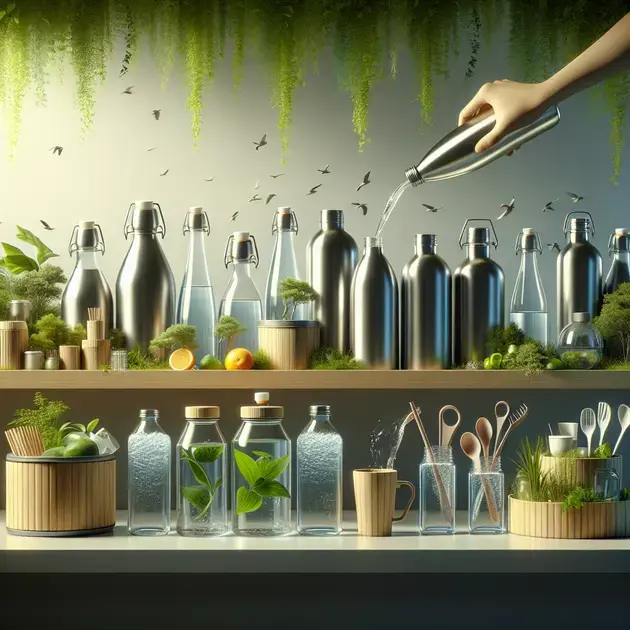
Furthermore, switching to alternative options such as stainless steel or glass water bottles can eliminate the potential risks associated with plastic consumption while promoting sustainability and personal well-being. Making small changes in your daily habits can lead to a healthier lifestyle and a safer environment for everyone.
Benefits of Using Glass Bottles for Water Storage
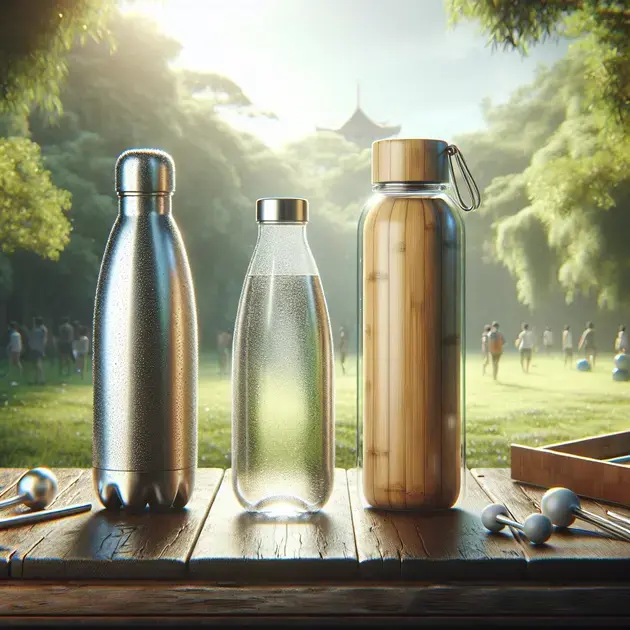
When it comes to storing water, glass bottles offer numerous benefits. Firstly, glass is a non-porous material, ensuring that no harmful chemicals leach into the water, making it a safe choice for storing drinking water. Glass is also environmentally friendly as it can be recycled endlessly without losing its quality, reducing the carbon footprint. Additionally, glass bottles are durable and do not retain odors, allowing you to switch between different types of water without any lingering tastes.
Moreover, glass preserves the taste and purity of water, ensuring that you enjoy clean and fresh-tasting water every time. The transparency of glass also allows you to easily monitor the water’s quality and cleanliness. Glass bottles are easy to clean and maintain, making them a convenient option for long-term water storage. By choosing glass bottles for water storage, you are promoting sustainability and ensuring the safety of your drinking water.
How to Choose the Best Stainless Steel Water Bottle
Choosing the best stainless steel water bottle requires careful consideration of several factors. Firstly, look for a bottle that is made from high-quality stainless steel, preferably food-grade 18/8 stainless steel, to ensure it is free from harmful chemicals. Consider the size and capacity of the bottle based on your water consumption needs, whether you need a smaller bottle for on-the-go use or a larger one for all-day hydration.
Look for additional features such as leak-proof lids, double-wall insulation for temperature retention, and a wide mouth for easy cleaning and adding ice cubes. Consider the design and aesthetics of the bottle, as well as any additional accessories or functionalities that may enhance your user experience. Reading reviews and comparing different brands can help you make an informed decision and choose the best stainless steel water bottle that fits your lifestyle and preferences.
Eco-Friendly Alternatives to Plastic Water Bottles
As awareness of environmental issues grows, it’s essential to explore eco-friendly alternatives to plastic water bottles. One sustainable option is using reusable water bottles made from materials such as stainless steel, glass, or bamboo. These materials are durable, non-toxic, and can be reused multiple times, reducing the reliance on single-use plastic bottles.
Another eco-friendly alternative is investing in water filtration systems at home to purify tap water and eliminate the need for bottled water altogether. By using water filters or purifiers, you can enjoy clean and safe drinking water without contributing to plastic waste. Additionally, promoting the use of public water fountains and refill stations can encourage the use of reusable bottles and reduce plastic bottle consumption.
Conclusion
In conclusion, the safety of drinking water from plastic bottles involves various considerations to ensure the well-being of consumers. While most plastic water bottles are safe for one-time use, the risks of bacterial contamination and chemical leaching increase when bottles are reused, especially when exposed to heat or sunlight. Opting for reusable BPA-free bottles from reputable brands like PowPixel provides a sustainable and safe alternative, along with proper maintenance through regular cleaning to prevent bacterial growth.
Additionally, being aware of the potential health risks associated with certain chemicals like BPA found in plastics and choosing BPA-free options while storing bottles in optimal conditions can mitigate these concerns. Exploring alternatives such as glass bottles, known for their non-porous nature and ability to preserve water taste and purity, offers a safe and eco-friendly solution for long-term storage.
When considering stainless steel water bottles, prioritizing high-quality materials, capacity based on usage needs, and additional features like leak-proof lids and insulation can guide individuals towards selecting the best option for their lifestyle. Embracing eco-friendly alternatives such as reusable bottles made from stainless steel, glass, or bamboo, and investing in home water filtration systems, underscores a collective effort towards sustainability and reducing plastic waste.

