
When it comes to effectively managing Type 2 Diabetes, finding the right medication is crucial. With the advancements in medical research and technology, there are now more options than ever before to help individuals regulate their blood sugar levels and lead a healthier lifestyle.
From oral medications to injectables, individuals with Type 2 Diabetes have a variety of choices available to them. It is important for patients to work closely with their healthcare provider to determine the most suitable medication regimen based on their individual needs and health goals.

Choosing the Best Medication for Managing Type 2 Diabetes
In the process of selecting the best medication for managing Type 2 diabetes, it’s essential to work closely with your healthcare provider. They will consider various factors such as your overall health, medical history, and specific needs before prescribing the most suitable treatment. One of the common medications for Type 2 diabetes is Metformin, which helps lower blood sugar levels and improve insulin sensitivity. Your healthcare provider may also recommend other medications like Sulfonylureas, DPP-4 inhibitors, or GLP-1 receptor agonists based on your individual condition.
To further assist in choosing the best medication, you can utilize apps like MySugr or Glucose Buddy. These apps allow you to track your blood sugar levels, medication intake, and overall health progress. By regularly monitoring your data and sharing it with your healthcare provider, you can collaborate effectively on adjusting your medication plan for better management of Type 2 diabetes.
Exploring Different Medication Options for Type 2 Diabetes
Exploring various medication options for Type 2 diabetes involves understanding the different classes of medications available. Biguanides like Metformin are often the first-line treatment due to their effectiveness and low risk of hypoglycemia. Sulfonylureas stimulate insulin production, while DPP-4 inhibitors help in blood sugar regulation after meals. GLP-1 receptor agonists work by increasing insulin production and reducing glucagon secretion.
To explore these medication options further, websites like Diabetes.co.uk or the American Diabetes Association offer detailed information on each medication class. They provide insights into how each type of medication works, its potential side effects, and considerations for personalized treatment plans. By educating yourself on these options, you can have informed discussions with your healthcare provider on the best approach for managing Type 2 diabetes.
Collaborating with Healthcare Providers for Personalized Medication Plans
Collaborating with healthcare providers is crucial for developing personalized medication plans tailored to your Type 2 diabetes management. Your provider will assess your response to initial medications, address any side effects, and make adjustments as needed. Through open communication and regular follow-ups, you can work together to optimize your medication regimen for better blood sugar control and overall health.
Apps like Sugarmate or mySugr can facilitate collaboration by allowing you to share real-time data with your healthcare team. These apps enable secure communication, data tracking, and remote monitoring, enhancing the efficiency of healthcare provider collaboration. By actively engaging with your provider and sharing relevant information, you can co-create effective medication plans that align with your lifestyle and health goals.
1. **Optimizing Lifestyle Changes to Support Type 2 Diabetes Management**
Introduction
Living with type 2 diabetes requires a comprehensive approach that includes managing not only medications but also making healthy lifestyle changes. Optimizing lifestyle habits is crucial in effectively managing type 2 diabetes and improving overall health outcomes. From dietary choices to physical activity and stress management, every aspect of one’s lifestyle plays a significant role in controlling blood sugar levels and reducing the risk of complications associated with diabetes.
Healthy Eating Habits
One of the key lifestyle changes to optimize type 2 diabetes management is adopting healthy eating habits. Incorporating a balanced diet that is rich in fiber, whole grains, fruits, vegetables, and lean proteins can help regulate blood sugar levels and promote weight loss. Limiting the intake of processed foods, sugary beverages, and high-fat meals is essential in managing diabetes effectively. Additionally, portion control and timing of meals can also impact blood glucose levels throughout the day.
Regular Physical Activity
Physical activity plays a vital role in optimizing type 2 diabetes management. Regular exercise can help improve insulin sensitivity, lower blood sugar levels, and aid in weight management. Incorporating a combination of aerobic exercises, strength training, and flexibility exercises into one’s routine can have a significant impact on overall health and diabetes control. Consulting with a healthcare provider to create a customized exercise plan based on individual fitness levels and health goals is recommended.
Stress Management and Sleep Quality
Managing stress levels and ensuring adequate sleep are often overlooked aspects of lifestyle changes for type 2 diabetes management. High levels of stress can contribute to elevated blood sugar levels, so incorporating stress-reducing activities such as meditation, yoga, or mindfulness practices can be beneficial. Additionally, prioritizing quality sleep of 7-9 hours per night can help regulate hormones that control blood sugar levels and support overall well-being.
Monitoring Progress and Seeking Support
Regularly monitoring progress through blood sugar testing, weight management, and keeping track of lifestyle habits can help individuals with type 2 diabetes stay on track with their management goals. Seeking support from healthcare professionals, dietitians, or diabetes educators can provide valuable guidance and motivation in making necessary lifestyle changes. By optimizing lifestyle habits, individuals can better manage type 2 diabetes and improve their quality of life.
**2. Understanding the Role of Insulin in Type 2 Diabetes Treatment**
Introduction
Insulin plays a crucial role in the treatment of type 2 diabetes by helping regulate blood sugar levels and ensuring cells receive the necessary energy for proper functioning. Understanding how insulin works in the body and the different treatment options available is essential for individuals managing type 2 diabetes. From traditional insulin injections to newer insulin delivery systems, advancements in insulin therapy have provided more flexibility and precision in diabetes management.
Insulin Function and Regulation
In individuals with type 2 diabetes, the body either becomes resistant to the effects of insulin or does not produce enough insulin to maintain normal blood sugar levels. Insulin is a hormone produced by the pancreas that allows glucose to enter cells for energy production. When insulin resistance occurs, cells are unable to efficiently use glucose, leading to elevated blood sugar levels. By understanding the function of insulin and how it regulates blood sugar, individuals can make informed decisions about their treatment plan.
Types of Insulin Therapy
There are different types of insulin therapy available for individuals with type 2 diabetes, ranging from rapid-acting insulin to long-acting insulin. Rapid-acting insulin is typically taken before meals to help control postprandial blood sugar spikes, while long-acting insulin provides basal insulin coverage throughout the day. Combination insulin therapy, which includes a mix of rapid-acting and long-acting insulin, can also be prescribed based on individual needs.
Insulin Delivery Systems
Advancements in insulin delivery systems have revolutionized the way individuals administer insulin for type 2 diabetes treatment. Traditional insulin injections using syringes or pens are still widely used, but newer technologies such as insulin pumps and continuous glucose monitors offer more precise dosing and real-time glucose monitoring. These devices help individuals customize their insulin therapy, track blood sugar trends, and make adjustments to optimize diabetes management.
Monitoring and Adjusting Insulin Therapy
Regular monitoring of blood sugar levels, adherence to prescribed insulin regimens, and communication with healthcare providers are essential in managing insulin therapy for type 2 diabetes. Monitoring tools such as blood glucose meters, continuous glucose monitors, and insulin dose calculators can assist individuals in tracking their progress and making informed decisions about insulin dosing adjustments. By understanding the role of insulin and actively participating in its management, individuals can effectively control blood sugar levels and minimize the risk of complications associated with type 2 diabetes.
**3. Integrating Technology to Monitor Medication Effects in Type 2 Diabetes**
Introduction
Integrating technology into diabetes management has become increasingly prevalent in monitoring medication effects and optimizing treatment outcomes for individuals with type 2 diabetes. From smartphone apps to wearable devices, technological advancements have provided new tools for tracking blood sugar levels, medication adherence, and lifestyle habits. By embracing technology, individuals can gain valuable insights into their health data and make informed decisions to better manage their diabetes.
Smartphone Apps for Diabetes Management
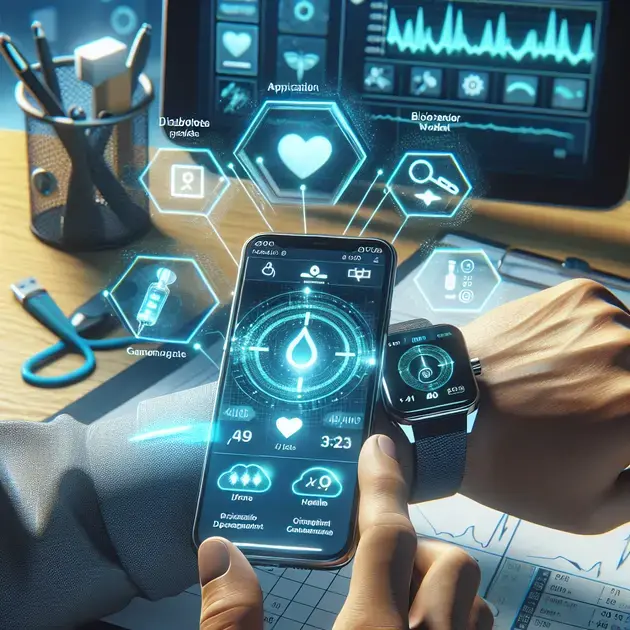
There are various smartphone apps available that can help individuals track their blood sugar levels, log medication intake, monitor food consumption, and record physical activity. These apps provide a convenient way to consolidate health information, set reminders for medication doses, and generate reports for healthcare providers. By utilizing smartphone apps, individuals can streamline their diabetes management process and stay organized with their treatment plan.
Wearable Devices for Continuous Monitoring
Wearable devices such as continuous glucose monitors (CGMs) and insulin pumps offer real-time tracking of blood sugar levels and insulin delivery. CGMs provide continuous data on glucose trends, alert users to hypo- or hyperglycemic episodes, and help optimize insulin dosing based on individual patterns. Insulin pumps deliver precise insulin doses throughout the day, offering greater control over blood sugar levels and minimizing variability in insulin delivery.
Data Analysis and Reporting Tools
Integrating technology to monitor medication effects in type 2 diabetes allows for data analysis and reporting to track treatment progress and identify areas for improvement. By collecting and analyzing data on blood sugar levels, medication adherence, and lifestyle factors, individuals can gain insights into their health trends and make adjustments to their treatment plan accordingly. Data reporting tools can also facilitate communication with healthcare providers and lead to collaborative decision-making in diabetes management.
Remote Monitoring and Telemedicine
With the rise of telemedicine, individuals with type 2 diabetes can remotely connect with healthcare providers for virtual consultations, medication adjustments, and lifestyle counseling. Remote monitoring devices allow for the seamless transmission of health data to healthcare teams, enabling timely interventions and personalized care. By integrating technology into diabetes management, individuals can experience enhanced support, improved treatment outcomes, and greater convenience in managing their condition.
Conclusion
In conclusion, optimizing lifestyle changes is essential for effectively managing type 2 diabetes. By adopting healthy eating habits rich in fiber, whole grains, fruits, vegetables, and lean proteins, individuals can regulate blood sugar levels and promote weight loss. Incorporating regular physical activity, including aerobic exercises and strength training, can improve insulin sensitivity and contribute to overall health and diabetes control.
Furthermore, managing stress levels through activities like meditation and ensuring quality sleep of 7-9 hours per night are crucial aspects often overlooked in diabetes management. By monitoring progress through blood sugar testing, weight management, and seeking support from healthcare professionals, individuals can stay on track with their management goals and make necessary lifestyle changes. These steps can lead to better management of type 2 diabetes and an improvement in overall quality of life.
Integrating technology, such as smartphone apps for diabetes management and wearable devices for continuous monitoring, offers new tools for tracking blood sugar levels and optimizing treatment outcomes. By embracing these technological advancements, individuals can gain valuable insights into their health data, streamline their diabetes management process, and receive enhanced support for improved treatment outcomes and greater convenience in managing their condition.

