
Understanding the differences between Type I and Type II diabetes is crucial for managing these two distinct conditions effectively. While both types involve issues with insulin and blood sugar levels, they have different causes and require different approaches to treatment.
According to recent studies, Type I diabetes is considered an autoimmune disease, where the immune system mistakenly attacks and destroys insulin-producing cells in the pancreas. On the other hand, Type II diabetes is often linked to lifestyle factors such as obesity, lack of physical activity, and genetic predisposition.
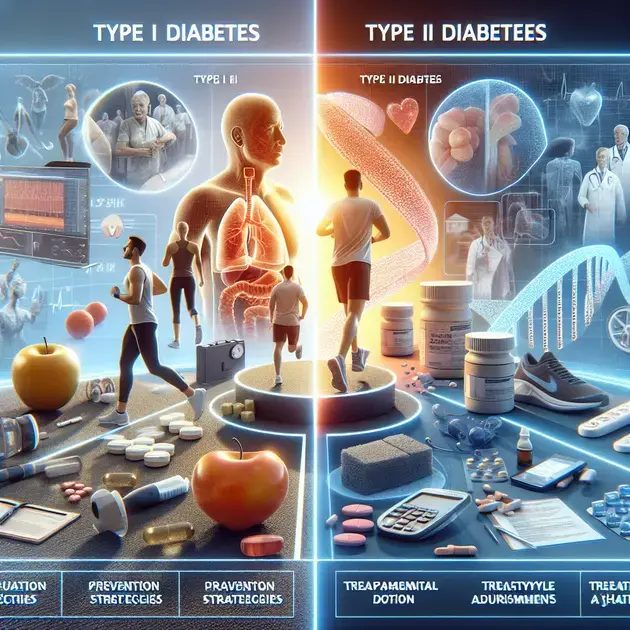
Key Differences Between Type I and Type II Diabetes:
Diabetes can be classified into two main types: Type I and Type II. One key difference between the two is the cause of the condition. Type I diabetes is an autoimmune disease where the immune system attacks and destroys insulin-producing cells in the pancreas. On the other hand, Type II diabetes is often linked to lifestyle factors such as obesity, physical inactivity, and poor diet.
Another important difference lies in the age of onset. Type I diabetes is typically diagnosed in children and young adults, while Type II diabetes is more commonly seen in older adults, although it is becoming increasingly prevalent in younger populations due to rising obesity rates.
When it comes to treatment, individuals with Type I diabetes require insulin therapy to manage their blood sugar levels, as their bodies do not produce insulin. In contrast, those with Type II diabetes may initially be able to control their condition through lifestyle modifications such as diet and exercise, although some may also require oral medication or insulin injections as the disease progresses.
Monitoring blood sugar levels is crucial for both types of diabetes, but the frequency and method of monitoring may vary. People with Type I diabetes often need to check their blood sugar multiple times a day and adjust their insulin doses accordingly. Those with Type II diabetes may be able to manage with less frequent monitoring, especially if their condition is well-controlled with medication and lifestyle changes.
Overall, while both types of diabetes involve problems with insulin and blood sugar regulation, the underlying causes, age of onset, and treatment approaches differ significantly between Type I and Type II diabetes.
Causes and Risk Factors for Type I and Type II Diabetes:
The causes of Type I and Type II diabetes are distinct, with Type I diabetes being primarily an autoimmune condition and Type II diabetes being strongly influenced by lifestyle factors. Genetic predisposition also plays a role in both types of diabetes, but environmental triggers can have a more significant impact on the development of Type II diabetes.
For Type I diabetes, the risk factors include a family history of the condition, certain genetic markers, and exposure to viral infections during childhood. In contrast, the risk factors for Type II diabetes encompass obesity, sedentary lifestyle, unhealthy eating habits, and age, particularly being over 45 years old.
Prevention strategies for Type I diabetes are not well-defined, as the condition is not preventable in the same way as Type II diabetes. However, maintaining a healthy lifestyle by eating a balanced diet, staying active, and managing stress can help reduce the risk of Type II diabetes.
Regular screening and early diagnosis are crucial for both types of diabetes to prevent complications. Blood tests that measure blood sugar levels, such as fasting glucose or A1C tests, can help identify prediabetes or diabetes in its early stages, allowing for prompt intervention and management.
By understanding the causes and risk factors associated with Type I and Type II diabetes, individuals can take proactive steps to mitigate their risk and maintain optimal health.
Treatment Strategies for Type I and Type II Diabetes:
The treatment strategies for Type I and Type II diabetes focus on controlling blood sugar levels, preventing complications, and improving overall quality of life. In Type I diabetes, insulin therapy is the cornerstone of treatment, and individuals may use insulin pumps or multiple daily injections to mimic the body’s natural insulin production.
For Type II diabetes, lifestyle modifications such as regular exercise and a healthy diet are essential components of treatment. In some cases, oral medications or injectable medications that help the body use insulin more effectively may be prescribed. Monitoring blood sugar levels regularly and making adjustments to medication or lifestyle as needed are key aspects of managing Type II diabetes.
Education and support are vital for individuals with diabetes to understand their condition, make informed decisions about their health, and navigate the challenges of daily diabetes management. Diabetes management apps like MySugr and Glucose Buddy can help track blood sugar levels, medication adherence, and lifestyle factors to empower individuals in their self-care journey.
In addition to medication and lifestyle changes, regular medical check-ups, eye exams, and foot care are essential for preventing diabetes-related complications such as nerve damage, vision problems, and cardiovascular issues. By taking a comprehensive approach to diabetes management, individuals can effectively control their condition and lead healthy, fulfilling lives.
Overall, personalized treatment plans that address the specific needs and goals of each individual are crucial for successful management of both Type I and Type II diabetes.
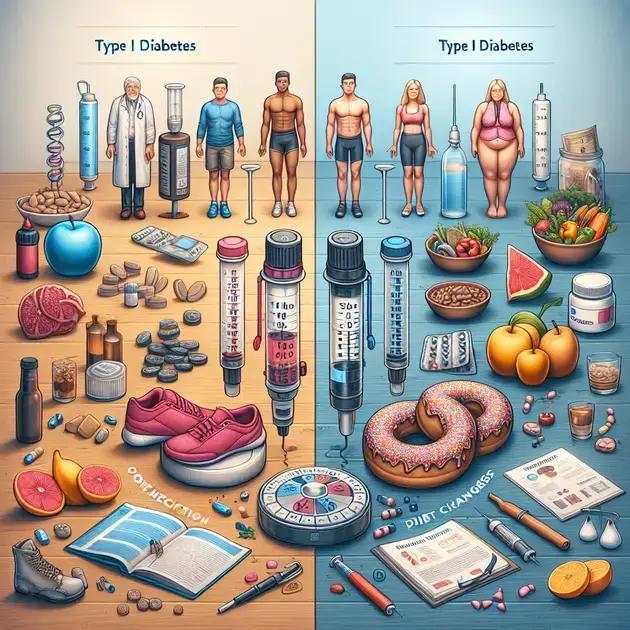
Symptoms Associated with Type I and Type II Diabetes
Diabetes is a chronic condition that affects the way the body metabolizes sugar. Both Type I and Type II diabetes have common symptoms that can help in early detection. Some common symptoms of diabetes include frequent urination, excessive thirst, unexplained weight loss, extreme fatigue, blurred vision, and slow wound healing.
For individuals with Type I diabetes, symptoms often develop quickly and may include sudden weight loss, constant hunger, and irritability. On the other hand, Type II diabetes symptoms may be more subtle and develop over time, making it crucial to be aware of the risk factors and get regular check-ups.
If left untreated, diabetes can lead to serious complications such as heart disease, stroke, kidney failure, and nerve damage. Therefore, recognizing the symptoms early on and seeking medical attention is key to managing the condition effectively.
It is important for individuals to monitor their blood sugar levels regularly and be mindful of any changes in their health. By staying proactive and seeking guidance from healthcare professionals, those with diabetes can lead a healthy and fulfilling life.
Prevention Methods for Type I and Type II Diabetes
While Type I diabetes is largely unpreventable as it is an autoimmune condition, there are ways to reduce the risk of developing Type II diabetes. Maintaining a healthy lifestyle through a balanced diet, regular exercise, and weight management can significantly lower the chances of developing Type II diabetes.
Incorporating whole foods such as fruits, vegetables, whole grains, and lean proteins into your diet can help regulate blood sugar levels and promote overall health. Avoiding sugary beverages, processed foods, and excessive alcohol consumption is also essential in diabetes prevention.
Engaging in physical activity for at least 30 minutes a day can improve insulin sensitivity and lower the risk of developing diabetes. Whether it’s through aerobic exercises, strength training, or simply going for a walk, staying active is crucial for diabetes prevention.
Educating oneself about diabetes risk factors and making informed lifestyle choices can significantly impact one’s overall health. By taking proactive steps to prevent diabetes, individuals can reduce the likelihood of developing the condition and improve their quality of life in the long run.
Impact of Type I and Type II Diabetes on Overall Health
Both Type I and Type II diabetes can have a profound impact on overall health if not managed effectively. Uncontrolled diabetes can lead to various complications such as cardiovascular disease, neuropathy, retinopathy, and kidney failure.
Individuals with diabetes are at a higher risk of developing other health issues such as high blood pressure, high cholesterol, and obesity. Additionally, diabetes can affect mental health by causing stress, anxiety, and depression due to the constant monitoring and management requirements.
Managing diabetes through medication, lifestyle modifications, and regular medical check-ups is crucial in preventing long-term complications and maintaining overall health. By working closely with healthcare providers and following a comprehensive treatment plan, individuals with diabetes can lead a fulfilling and healthy life.
It is important for those with diabetes to prioritize self-care, monitor their blood sugar levels, and seek support from healthcare professionals and support groups. By taking a proactive approach to managing diabetes, individuals can mitigate the negative impact on their overall health and well-being.
Conclusion
In conclusion, understanding the symptoms associated with Type I and Type II diabetes is crucial for early detection and effective management of the condition. Whether it’s the rapid onset of symptoms in Type I diabetes or the subtle progression in Type II, being aware of the signs like frequent urination, excessive thirst, and fatigue can lead to timely medical intervention and better outcomes.
When it comes to prevention, while Type I diabetes may not be preventable, lifestyle modifications play a key role in reducing the risk of Type II diabetes. A balanced diet rich in whole foods, regular exercise, and weight management are essential components in diabetes prevention. By making informed choices and staying physically active, individuals can significantly lower their chances of developing Type II diabetes.
The impact of both types of diabetes on overall health cannot be understated. From cardiovascular complications to mental health effects, uncontrolled diabetes can lead to a multitude of issues. By actively managing diabetes through medication, lifestyle adjustments, and regular check-ups, individuals can mitigate these risks and lead a fulfilling life while minimizing long-term complications.

