
Curious about how septic tanks actually work? Understanding the basic inner workings of these systems can help you maintain and troubleshoot them effectively. From the initial waste disposal to the final treatment processes, septic tanks play a vital role in managing household wastewater. Let’s delve into the details to demystify the functioning of septic tanks and ensure you’re well-equipped to take care of your system.
Understanding the Basics of Septic Tank Functionality
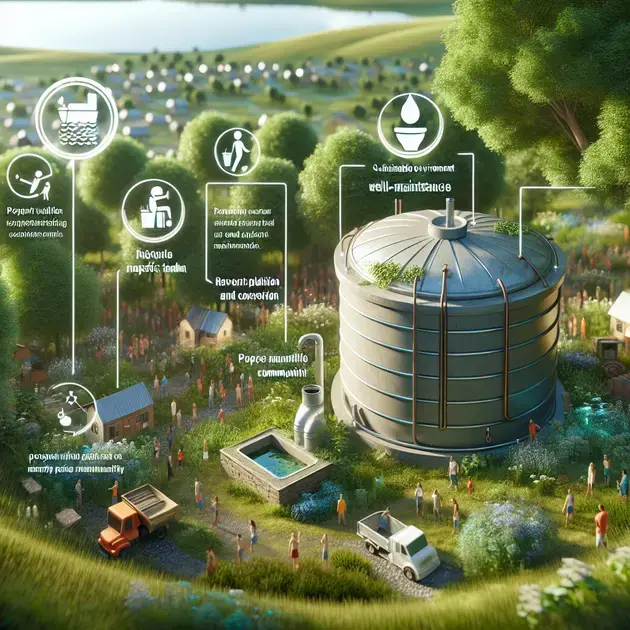
In this section, we will delve into the fundamental principles of septic tank functionality. A septic tank is an underground chamber made of concrete, fiberglass, or plastic which collects sewage and allows for the natural process of decomposition. Understanding how a septic tank works is crucial for its proper maintenance and longevity.
One key aspect of a septic tank’s functionality is the separation of solids and liquids. When wastewater enters the tank, heavy solids sink to the bottom, forming sludge, while lighter materials float to the top, creating scum. The middle layer, known as effluent, flows out into the drain field for further treatment.
To grasp the basics of septic tank functionality, it’s essential to comprehend the role of bacteria in the decomposition process. Beneficial bacteria inside the tank break down organic matter in the sewage, converting it into simpler substances that can be safely released into the soil.
Regular maintenance, such as periodic pumping and inspection, is critical for ensuring a septic tank operates efficiently. Without proper care, the system can experience backups, odors, or even failure, leading to costly repairs.
For more in-depth information on septic tank functionality, refer to reputable sources like the Environmental Protection Agency’s website (https://www.epa.gov/septic).
Key Components of a Septic Tank System
When it comes to understanding a septic tank system, several key components play vital roles in its operation. The main elements of a septic tank system include the tank itself, the drain field, and the soil beneath the drain field.
The septic tank, as mentioned earlier, serves as the primary chamber where sewage undergoes initial separation and decomposition. It is essential to have the tank sized appropriately based on household usage and local regulations to prevent overflows and system malfunctions.
The drain field, also known as the leach field, disperses treated effluent from the septic tank into the surrounding soil. Proper soil composition and drainage are crucial for ensuring effective filtration and preventing contamination of groundwater sources.
In addition to the tank and drain field, components like distribution boxes, baffles, and effluent filters contribute to the overall functionality of a septic tank system. Understanding how each part works together is essential for maintaining a healthy and efficient system.
To learn more about the key components of a septic tank system and how they interact, check out resources such as the National Environmental Services Center (https://www.nesc.wvu.edu).
Step-by-Step Guide to the Inner Workings of a Septic Tank
Here, we will provide a detailed step-by-step guide to help you better understand the inner workings of a septic tank. This guide will cover the process from wastewater entry to final effluent distribution, highlighting the essential stages of a septic system’s operation.
Step 1: Wastewater from your household plumbing enters the septic tank through the inlet pipe, where the separation of solids, liquids, and scum begins.
Step 2: Heavy solids settle at the bottom of the tank, forming a layer of sludge, while lighter materials like grease and soap float to the top, creating scum. The middle layer, effluent, flows out to the drain field.
Step 3: Beneficial bacteria inside the tank break down organic matter in the sewage, converting it into simpler substances that can be safely released into the soil through the drain field.
Step 4: Regular maintenance, including pumping every 3-5 years and periodic inspections, is crucial to prevent clogs, backups, and system failures.
Step 5: Understanding the inner workings of a septic tank system allows homeowners to identify potential issues early on and take proactive measures to maintain a healthy and efficient system.
For a more detailed step-by-step guide on septic tank functionality, visit reputable sources like the University of Minnesota Extension’s website (https://extension.umn.edu/).
**The Importance of Regular Maintenance for Your Septic Tank**
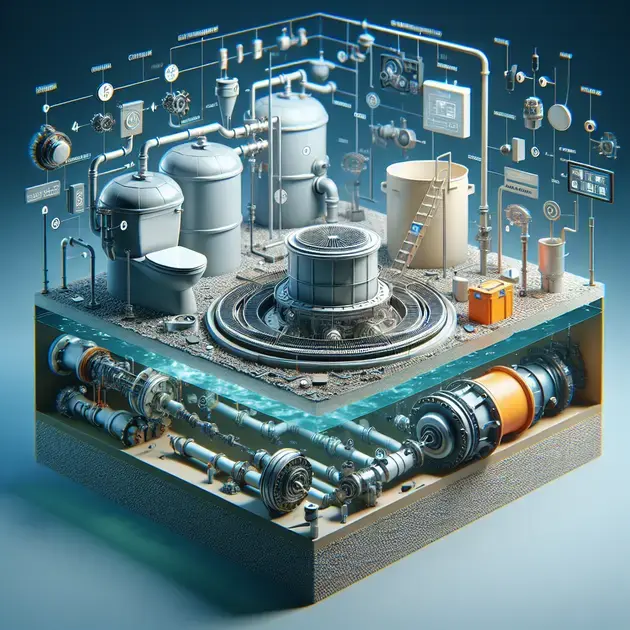
Regular maintenance is crucial for the functionality and longevity of your septic tank system.
Septic tanks are an essential part of a property’s wastewater management system. Regular maintenance ensures that the septic tank operates efficiently, preventing backups, foul odors, and costly repairs. Neglecting septic tank maintenance can lead to a variety of issues, including clogged pipes, overflowing tanks, and environmental contamination.
Proper maintenance involves routine inspections, pumping, and addressing any potential problems promptly.
By scheduling regular inspections by a professional, you can catch minor issues before they escalate into major problems. Pumping the septic tank at recommended intervals is essential to prevent solids from building up and clogging the system. Additionally, addressing any leaks, cracks, or damaged components promptly can extend the lifespan of your septic tank.
Regular maintenance can save you money in the long run by preventing costly repairs and replacements.
Investing in regular septic tank maintenance is a cost-effective way to ensure that your system functions optimally. By addressing issues early on, you can avoid emergency repairs and replacements, which can be considerably more expensive.
Regular maintenance also helps maintain the value of your property by ensuring the proper functioning of the septic system.
A well-maintained septic tank system is a valuable asset that can enhance the overall property value. By showing potential buyers that the septic system has been well cared for, you can increase the marketability of your property.
By prioritizing regular maintenance for your septic tank, you contribute to a healthier environment and community.
A well-maintained septic tank system helps prevent groundwater contamination and protects the surrounding environment from harmful pollutants. By taking care of your septic tank, you play a vital role in promoting environmental sustainability and protecting public health.
**Common Signs of Septic Tank Issues to Watch Out For**
Slow draining sinks, toilets, or showers can indicate potential septic tank problems.
If you notice that your drains are draining slowly or gurgling, it could be a sign of a septic tank issue. This could indicate a clog in the system, a full tank, or drain field problems.
Foul odors around the septic tank or drain field are a common sign of a septic tank problem.
If you detect unpleasant smells around your septic tank or in your yard, it could be a sign of a sewage backup or leak. Addressing this issue promptly is crucial to prevent further damage and health hazards.
Pooling water or lush green grass over the septic tank or drain field may indicate a leak or overflow.
If you notice unusual water accumulation or excessively green grass in the area of your septic tank, it could be a sign of a leak or overflow. Contacting a professional to assess the situation is essential to prevent environmental contamination.
Gurgling noises in your plumbing system can suggest a septic tank issue.
If you hear gurgling noises when you flush the toilet or run water, it could signal that your septic tank is full or experiencing other problems. Ignoring this warning sign can lead to more severe issues down the line.
Backups in your plumbing fixtures, such as toilets or sinks, are a clear indication of a septic tank problem.
If sewage is backing up into your drains or toilets, it’s crucial to address the issue immediately. This can indicate a full tank, clogged pipes, or a failing septic system that requires professional attention.
**Environmental Impact of Neglecting Your Septic Tank Maintenance**
Neglecting septic tank maintenance can lead to groundwater contamination and environmental pollution.
A poorly maintained septic tank is at risk of leaking harmful bacteria and chemicals into the groundwater, contaminating local water sources. This pollution can have detrimental effects on ecosystems and public health.
Septic tank neglect can contribute to the spread of diseases and pathogens in the environment.
Untreated sewage from a neglected septic tank can contain pathogens that pose serious health risks to humans, animals, and plants. By neglecting septic tank maintenance, you not only endanger the environment but also increase the potential for disease transmission.
Environmental neglect of septic tanks can harm aquatic life and disrupt fragile ecosystems.
Contaminated water from neglected septic tanks can harm aquatic organisms, disrupt aquatic ecosystems, and contribute to algal blooms and fish kills. Protecting the environment through proper septic tank maintenance is essential for preserving biodiversity and ecological balance.
Underground water sources can become contaminated with nitrates and other harmful chemicals from neglected septic tanks.
Leachate from poorly maintained septic tanks can contain nitrates, phosphates, and other chemicals that leach into the groundwater. This contamination can affect drinking water quality and have long-term consequences for public health and the environment.
Neglecting septic tank maintenance not only harms the environment but also poses risks to your own health and safety.
By neglecting septic tank maintenance, you put yourself, your family, and your community at risk of exposure to harmful pathogens and contaminants. Prioritizing regular maintenance is crucial for safeguarding both the environment and public health.
Conclusion
In understanding the basics of septic tank functionality, we have delved into the essential principles that drive the operation of these vital systems. From the separation of solids and liquids to the role of beneficial bacteria in decomposition, it is clear that proper maintenance is the key to ensuring a septic tank’s efficiency and longevity. By comprehending how each component works together in a septic tank system, homeowners can proactively address any issues and maintain a healthy system.
Regular maintenance emerges as a crucial factor in preserving the functionality and lifespan of your septic tank. Through routine inspections, pumping, and prompt resolution of potential problems, you can not only prevent costly repairs but also contribute to a healthier environment and community. By investing in the upkeep of your septic system, you not only safeguard your property’s value but also play a significant role in promoting environmental sustainability.
Recognizing the common signs of septic tank issues is essential for timely intervention and prevention of potential problems. From slow draining sinks to foul odors and pooling water, these indicators can signify underlying issues that require immediate attention. By addressing these signs promptly, homeowners can avert more severe problems and protect both their property and the environment.
The environmental impact of neglecting septic tank maintenance underscores the importance of responsible ownership. From groundwater contamination to the spread of diseases and harm to aquatic life, the repercussions can be far-reaching. By prioritizing regular maintenance, individuals can mitigate these risks, safeguard public health, and contribute to the preservation of ecological balance. Embracing a proactive approach to septic tank maintenance is not just about personal property care but a fundamental commitment to environmental stewardship.

