
Knee pain is a common issue that affects millions of people worldwide. It can be caused by a variety of factors, but one of the leading causes is osteoarthritis. Understanding the leading cause of knee pain is crucial for proper diagnosis and treatment.
Osteoarthritis is a degenerative joint disease that occurs when the protective cartilage cushioning the ends of your bones wears down over time. This can lead to pain, swelling, and stiffness in the knee joint, making it difficult to perform daily activities. By understanding how osteoarthritis contributes to knee pain, individuals can take steps to manage their symptoms and improve their quality of life.

The Role of Osteoarthritis in Knee Pain
Osteoarthritis is a common degenerative joint disease that affects millions of people worldwide, with the knee being one of the most commonly affected areas. The role of osteoarthritis in knee pain is significant, as it leads to the breakdown of cartilage in the knee joint, causing pain, stiffness, and swelling. The gradual wear and tear of the cartilage over time due to osteoarthritis can result in limited range of motion and difficulty performing daily activities.
To understand how osteoarthritis contributes to knee pain, it’s essential to consult with a healthcare professional who can conduct a physical examination and imaging tests such as X-rays or MRIs. These diagnostic tools help identify the extent of joint damage and guide treatment decisions. Additionally, tracking symptoms and pain levels through journaling or mobile apps like Arthritis Power can provide valuable insights for healthcare providers.
Managing knee pain associated with osteoarthritis often involves a combination of treatments, including medication, physical therapy, lifestyle modifications, and in some cases, surgical intervention. Nonsteroidal anti-inflammatory drugs (NSAIDs) like ibuprofen can help alleviate pain and inflammation. Physical therapy exercises recommended by professionals or through platforms like Physitrack can improve joint flexibility and strengthen surrounding muscles.
Moreover, lifestyle adjustments such as maintaining a healthy weight, engaging in low-impact exercises like swimming or cycling, and using assistive devices like knee braces can help reduce knee pain and improve mobility. In severe cases where conservative measures are ineffective, surgical options like knee replacement surgery may be considered to relieve pain and restore function.
In conclusion, understanding how osteoarthritis contributes to knee pain is crucial for implementing effective management strategies and improving quality of life for individuals dealing with this condition. By addressing the underlying factors causing knee pain and following personalized treatment plans, individuals can better cope with the challenges posed by osteoarthritis.
Symptoms and Effects of Osteoarthritis
Osteoarthritis manifests through various symptoms and effects that can significantly impact an individual’s daily life. Common symptoms of osteoarthritis include joint pain, stiffness, swelling, and decreased range of motion. These symptoms can vary in intensity and may worsen with physical activity or changes in weather, affecting mobility and overall well-being.
Managing the symptoms and effects of osteoarthritis begins with early detection through regular screenings and consultations with healthcare providers. Tracking symptoms using tools like the Arthritis Foundation’s Arthritis Tracker app can help individuals monitor their condition and communicate effectively with their healthcare team.
In addition to physical symptoms, osteoarthritis can also have emotional and social effects on individuals, leading to feelings of frustration, isolation, and anxiety. Engaging in support groups, therapy sessions, or using mental health apps like Headspace can provide emotional support and coping strategies for dealing with the impact of osteoarthritis.
To mitigate the effects of osteoarthritis, adopting a holistic approach that combines medical treatments, lifestyle modifications, and self-care practices is essential. This may include taking prescribed medications, following an exercise regimen tailored to individual needs, and incorporating stress-reducing activities like mindfulness meditation or yoga.
By addressing both the physical symptoms and emotional effects of osteoarthritis, individuals can better manage their condition and enhance their overall quality of life. Working closely with healthcare providers and utilizing available resources can empower individuals to navigate the challenges of osteoarthritis effectively.
Management Strategies for Osteoarthritis
Effective management of osteoarthritis involves a multifaceted approach that aims to reduce pain, improve joint function, and enhance overall quality of life. Developing personalized management strategies tailored to individual needs is essential for long-term success in coping with osteoarthritis.
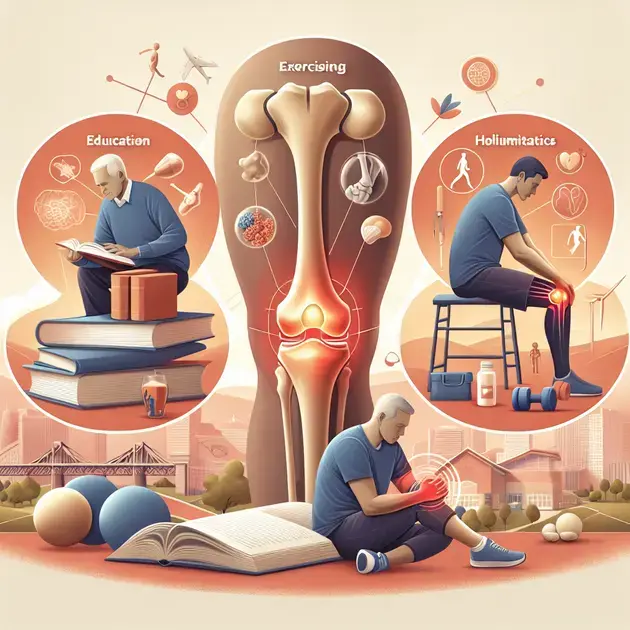
One of the key management strategies for osteoarthritis is education and self-management. Learning about the condition, its progression, and available treatment options empowers individuals to make informed decisions about their health. Websites like the Arthritis Foundation and apps like MyRA can provide reliable information and tools for self-care.
Physical activity plays a crucial role in managing osteoarthritis by strengthening muscles, improving flexibility, and reducing joint pain. Engaging in low-impact exercises such as walking, swimming, or cycling, with guidance from fitness apps like MyFitnessPal, can help individuals with osteoarthritis stay active and maintain joint health.
Furthermore, integrating complementary therapies like acupuncture, massage therapy, or dietary supplements into the treatment plan can complement conventional medical treatments and offer additional pain relief benefits. Working with a holistic healthcare team that includes healthcare providers, physical therapists, and alternative medicine practitioners can help individuals explore a comprehensive approach to managing osteoarthritis.
Finally, maintaining a healthy lifestyle through proper nutrition, weight management, and stress reduction techniques is essential for managing osteoarthritis symptoms. Apps like Lose It! can assist individuals in tracking their diet and weight, promoting overall health and well-being while supporting osteoarthritis management.
By implementing these management strategies consistently and seeking ongoing support from healthcare professionals, individuals can effectively manage osteoarthritis, reduce pain and stiffness, and improve their quality of life in the long run.
Symptoms and Risk Factors of Knee Pain
Knee pain can manifest in various ways, from mild discomfort to severe crippling pain. Some common symptoms of knee pain include swelling, redness, and stiffness in and around the knee joint. Additionally, individuals may experience a limited range of motion in the knee, making it difficult to perform everyday activities. In some cases, knee pain may also be accompanied by a popping or crunching sensation when moving the joint.
There are several risk factors that can contribute to the development of knee pain. Excessive weight or obesity puts added pressure on the knee joint, leading to increased wear and tear. Furthermore, engaging in high-impact activities such as running or jumping without proper form or equipment can also result in knee pain. Other risk factors include previous knee injuries, age-related degeneration of the joint, and genetic predisposition to conditions like arthritis.
It’s essential to pay attention to these symptoms and risk factors to address knee pain promptly. Ignoring the signs can lead to chronic pain and potentially more severe complications in the future.
Preventive Measures for Knee Pain
Preventing knee pain involves a combination of maintaining a healthy lifestyle and taking precautions during physical activities. Regular exercise to strengthen the muscles around the knee can help provide support and stability to the joint, reducing the risk of injury and pain. Low-impact exercises like swimming or cycling are gentle on the knees while still offering a good workout.
Proper warm-up and cool-down routines before and after physical activity can also help prevent knee pain by preparing the muscles and joints for movement. Wearing supportive footwear that fits well and provides cushioning can reduce the impact on the knees during walking or running. It’s also crucial to listen to your body and avoid overexertion, especially if you start feeling discomfort in the knees.
Implementing these preventive measures as part of your daily routine can significantly decrease the likelihood of developing knee pain and improve overall joint health.
Effective Treatment Options for Knee Pain
When knee pain occurs, seeking appropriate treatment is crucial to alleviate discomfort and prevent further damage to the joint. Depending on the underlying cause of the pain, treatment options may vary. Resting the knee and applying ice can help reduce inflammation and relieve pain in the short term.
Physical therapy exercises prescribed by a healthcare professional can improve strength and flexibility in the knee, promoting proper alignment and reducing strain on the joint. In more severe cases, medications like anti-inflammatories or corticosteroid injections may be recommended to manage pain and inflammation.
In instances where conservative treatments are ineffective, surgical interventions such as arthroscopic procedures or knee replacement surgery may be necessary to address structural issues and restore normal function to the knee joint.
**
Conclusion
**
In conclusion, knee pain can present a range of symptoms, from mild discomfort to severe limitations in mobility. Common signs such as swelling, redness, and crunching sensations should not be ignored, as they may indicate underlying issues that can lead to chronic pain if left untreated. Risk factors such as excessive weight, improper physical activities, previous injuries, and genetic predisposition play a significant role in the development of knee pain.
Preventive measures are crucial in maintaining healthy knee joints and reducing the likelihood of experiencing pain. Regular exercise, especially focusing on muscle strengthening around the knees, can provide essential support to the joint. Engaging in low-impact activities and using proper warm-up and cool-down routines before and after exercises can help protect the knees from unnecessary strain. Additionally, wearing appropriate footwear and listening to the body’s signals to avoid overexertion are key preventive steps individuals can take.
When it comes to treating knee pain, seeking timely and appropriate interventions is essential. Rest, ice applications, and physical therapy exercises can offer short-term relief and promote healing. Depending on the severity of the condition, medications or surgical procedures may be necessary to manage symptoms and address structural issues within the knee joint. It’s vital to work closely with healthcare professionals to determine the most suitable treatment plan based on individual needs and circumstances.

