
Is Your Payment Card Information Really Secure?
With the rise of online transactions, concerns about the security of payment card information have become more prevalent than ever. In this article, we delve into the various measures in place to safeguard your sensitive data, assess the risks involved, and provide tips to ensure your payment card information stays protected. Stay informed and learn how you can enhance the security of your online transactions.
What Makes Payment Card Information Secure
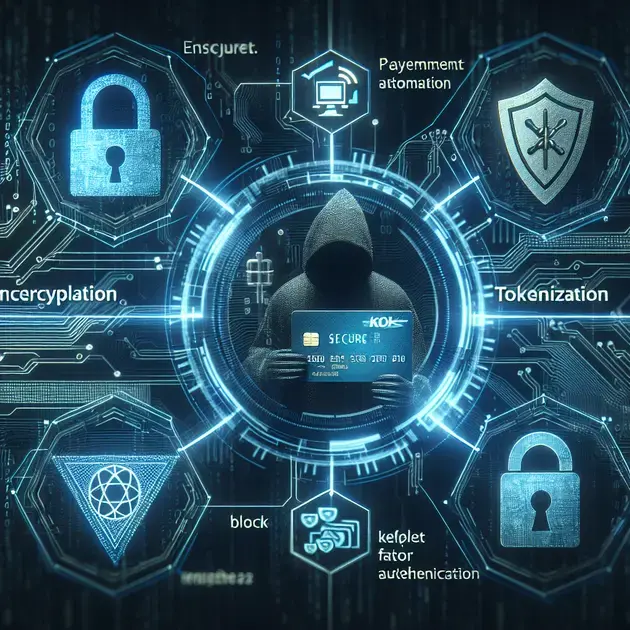
Payment card security is crucial in today’s digital world where cyber threats are prevalent. To ensure your payment card information is secure, one key aspect is encryption. Encryption technology scrambles data to make it unreadable to unauthorized users. Utilizing secure websites that have SSL certificates, such as “https://www.website.com,” ensures that your information is encrypted during transmission.
Another important factor in payment card security is tokenization. By replacing sensitive data with a unique identifier, known as a token, actual card information is kept safe. Payment processors like PayPal offer tokenization services, protecting your payment details in online transactions.
Implementing multi-factor authentication adds an extra layer of security to payment card information. Apps like Google Authenticator generate unique codes that need to be entered along with your password, significantly reducing the risk of fraudulent access.
Regularly monitoring your payment card statements for any unauthorized transactions is essential. Apps like Mint or Credit Karma help track your spending and alert you to any suspicious activity. Being vigilant and reporting any discrepancies promptly can prevent further security breaches.
Lastly, keeping your devices and software up to date is crucial for payment card security. Regularly installing updates and patches ensures that any identified vulnerabilities are addressed promptly. Apps like Avast or Bitdefender provide comprehensive security solutions for your devices.
Common Threats to Payment Card Information Security
There are various threats that can compromise the security of payment card information, with phishing attacks being one of the most common. Phishing emails or websites attempt to trick individuals into providing their card details. Using email filters like Gmail’s spam protection can help prevent falling victim to such scams.
Skimming devices are another prevalent threat, especially at ATMs or gas stations. Checking for any unusual attachments or loose components before inserting your card can help detect skimmers. Apps like Skimmer Scanner can detect Bluetooth-enabled skimming devices nearby.
Malware poses a significant risk to payment card security, with keyloggers being a common type that records keystrokes to capture card details. Installing reputable antivirus software like Norton or McAfee can help detect and remove malware from your devices.
Public Wi-Fi networks are also potential security risks, as they can be exploited by hackers to intercept data transmissions. Utilizing a virtual private network (VPN) like NordVPN or ExpressVPN encrypts your data on public networks, safeguarding your payment card information from prying eyes.
Social engineering attacks, where fraudsters manipulate individuals into revealing sensitive information, are also a threat. Being cautious of unsolicited requests for payment card details and verifying the identity of the requester can help prevent falling prey to such attacks.
Tips for Safeguarding Your Payment Card Information
Creating strong and unique passwords for your accounts is the first step in safeguarding your payment card information. Password managers like LastPass or Dashlane can help generate and store complex passwords securely.
Avoiding storing payment card information on websites or apps can minimize the risk of data breaches. Utilizing digital wallets like Apple Pay or Google Pay adds an extra layer of security by using tokenization for transactions.
Regularly reviewing your credit reports for any discrepancies can help detect unauthorized activities involving your payment card. Websites like AnnualCreditReport.com provide free access to your credit reports from major bureaus.
Setting up transaction alerts on your payment card can notify you of any unusual activity in real-time. Most banks and financial institutions offer mobile apps where you can enable these alerts for added security.
Being cautious while shopping online and only entering payment information on secure websites with a padlock icon in the address bar can help prevent falling victim to online scams. Websites like Shopify or WooCommerce ensure secure transactions for online purchases.
How to Protect Your Payment Card from Fraudulent Activities
When it comes to protecting your payment card from fraudulent activities, there are several best practices you can follow to minimize the risk of unauthorized access and transactions. First and foremost, always keep your payment card details secure and never share them with anyone. Be cautious when using your card online and ensure that you only enter your details on secure websites.
Another important step to protect your payment card is to regularly monitor your transactions and report any suspicious activity to your card issuer immediately. By reviewing your statements regularly, you can quickly identify any unauthorized charges and take appropriate action.
Consider enrolling in fraud alerts provided by your card issuer to receive immediate notifications of any unusual activity on your account. This can help you respond promptly to any potential threats and prevent further fraudulent transactions.
It’s also crucial to set up strong and unique passwords for your online accounts, including those associated with your payment card. Avoid using easily guessable passwords and consider using two-factor authentication for an additional layer of security.
Lastly, be wary of phishing emails or calls requesting your payment card information. Legitimate organizations will never ask for sensitive details over the phone or via email. Always verify the identity of the sender before sharing any information to protect your payment card from fraud.
Best Practices for Securing Payment Card Data
Securing payment card data is essential to safeguard against potential data breaches and identity theft. One of the best practices for securing payment card data is to use encrypted payment gateways when making online transactions. Encryption helps protect your card details by converting them into a code that is difficult for cybercriminals to decipher.
When storing payment card information, opt for secure methods such as tokenization, which replaces sensitive data with a unique token that cannot be used for fraudulent purposes. This adds an extra layer of protection to your card details, even in the event of a security breach.
Regularly update your payment card information with your card issuer to ensure that you have the latest security features enabled. This may include setting spending limits, enabling transaction alerts, or implementing biometric authentication for added security.
Avoid storing payment card details on insecure devices or sharing them over unsecured networks. Use secure Wi-Fi connections and avoid public networks when entering your card information online to reduce the risk of interception by hackers.
Implementing these best practices for securing payment card data can help you minimize the risk of unauthorized access and protect your card details from falling into the wrong hands.
Ensuring Privacy and Security of Payment Card Transactions
Protecting the privacy and security of your payment card transactions is paramount in today’s digital age. To ensure the safety of your transactions, always verify the legitimacy of the websites where you enter your card information. Look for secure indicators such as HTTPS in the website URL and a padlock symbol in the browser address bar.
When making in-person transactions, shield your PIN number and card details from prying eyes to prevent unauthorized access. Be cautious of skimming devices or cameras that may be used to capture your card information without your knowledge.
Regularly review your account statements and check for any unauthorized transactions. Report any discrepancies to your card issuer immediately to investigate and rectify any fraudulent activity on your account.
Consider using virtual card numbers or digital wallets for online transactions to add an extra layer of security to your payments. These services create unique identifiers for each transaction, making it harder for cybercriminals to intercept and misuse your card details.
By following these practices and staying vigilant against potential security threats, you can ensure the privacy and security of your payment card transactions and reduce the risk of falling victim to fraudulent activities.
**
Conclusion
**
In today’s digital landscape, safeguarding payment card information is paramount to mitigate cyber threats and ensure secure transactions. Encryption and tokenization technologies play a pivotal role in protecting sensitive data, making it unreadable to unauthorized users and replacing it with secure identifiers, respectively. Additionally, implementing multi-factor authentication and diligently monitoring statements can add layers of security against fraudulent activities.
Remaining vigilant against common threats like phishing attacks, skimming devices, malware, and social engineering is crucial, supported by best practices such as strong password management and utilizing secure payment gateways. By staying updated on security measures, avoiding insecure networks, and embracing practices like transaction alerts, individuals can enhance the security of their payment card data.
Ensuring the privacy and security of payment card transactions involves verifying website legitimacy, shielding card details during in-person transactions, and promptly reporting any suspicious activities. Utilizing virtual card numbers and digital wallets for online transactions can further fortify security by creating unique transaction identifiers. By adhering to these practices and staying informed about potential security risks, individuals can protect their payment card information from unauthorized access and reduce the risk of falling victim to fraudulent activities.

