
Is Your Credit Card Info Secure Online?
In an era where online shopping and transactions are becoming increasingly common, one pressing question remains: Is your credit card information truly secure when used online? With the rise in cyber threats and data breaches, it’s crucial to understand the measures in place to protect your sensitive financial information. Let’s delve into the world of online security and explore how you can safeguard your credit card details in the digital landscape.
Common Online Security Threats to Watch Out For
In today’s digital age, online security threats are becoming increasingly prevalent. It’s essential to be aware of the most common threats that can compromise your personal information and financial security.
One common threat is phishing scams, where cybercriminals send emails or messages posing as legitimate entities to trick individuals into providing sensitive information. To protect yourself, always verify the sender’s authenticity before clicking on any links or sharing personal details.
Another threat is malware, malicious software designed to gain unauthorized access to your devices and steal your data. To prevent malware attacks, ensure your devices have up-to-date antivirus software installed and avoid clicking on suspicious links or downloading unknown attachments.
Public Wi-Fi networks can also pose a security risk, as hackers may intercept your data while you’re connected. Use a virtual private network (VPN) when accessing public Wi-Fi to encrypt your connection and protect your information from prying eyes.
Regularly updating your software and using strong, unique passwords for each online account can help mitigate the risk of falling victim to online security threats. By staying vigilant and proactive, you can safeguard your digital presence from potential cyber threats.
Tips to Protect Your Credit Card Information
With the increasing reliance on online shopping, protecting your credit card information is more crucial than ever. Follow these tips to safeguard your financial details and prevent unauthorized transactions.
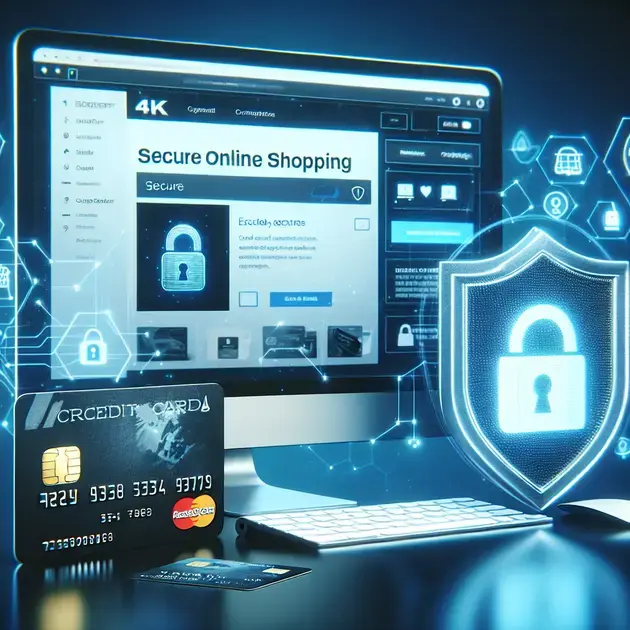
Firstly, only shop on secure websites that have SSL encryption, indicated by a padlock icon in the browser’s address bar. Avoid entering your credit card details on unfamiliar or suspicious websites to minimize the risk of data breaches.
Consider using digital wallet services like PayPal or Apple Pay to add an extra layer of security when making online purchases. These platforms encrypt your payment information and reduce the chances of your credit card details being compromised.
Regularly monitor your credit card statements for any unauthorized charges or suspicious activity. Report any discrepancies to your bank immediately to prevent further fraud and protect your financial assets.
Enable transaction alerts on your credit card account to receive instant notifications of any transactions made with your card. This proactive approach can help you identify fraudulent activities promptly and take necessary action to secure your credit card information.
By implementing these tips and best practices, you can enhance the security of your credit card information and minimize the risk of falling victim to financial fraud.
The Importance of Using Secure Payment Gateways
When making online transactions, using secure payment gateways is paramount to safeguarding your financial data and sensitive information. Secure payment gateways encrypt your payment details and provide a secure channel for processing transactions.
Popular payment gateways like PayPal, Stripe, and Square offer advanced security features such as tokenization and fraud detection to protect users from data breaches and online fraud. When choosing an online payment gateway, opt for reputable platforms with robust security measures in place.
By using secure payment gateways, you can ensure that your credit card information is transmitted securely and remains confidential during the transaction process. This reduces the risk of cyber attacks and identity theft, providing you with peace of mind when making online payments.
Always look for the padlock symbol in the address bar and “https://” in the URL when entering your payment information on a website. These indicators signify that the website uses a secure connection and encrypts your data to prevent unauthorized access.
Prioritizing the use of secure payment gateways not only protects your financial information but also enhances the overall security of your online transactions. By choosing trusted payment processors, you can enjoy a safer and more secure payment experience in the digital realm.
**Safe Online Practices for Protecting Your Credit Card Data**
When it comes to safeguarding your credit card information online, there are several best practices to follow to prevent fraud and identity theft. One essential step is to only shop on secure websites that use encryption technology to protect your data. Look for the padlock icon in the address bar to ensure the site is secure before entering any credit card info.
Another important practice is to avoid using public Wi-Fi networks when making online purchases. Public Wi-Fi can be easily compromised by hackers, putting your sensitive information at risk. Always use a secure and private internet connection when inputting your credit card details.
Regularly monitoring your credit card statements and transaction history can also help you detect any unauthorized charges quickly. Report any suspicious activity to your bank or credit card company immediately to prevent further fraudulent transactions.
Be cautious of phishing scams that try to trick you into revealing your credit card information. Legitimate companies will never ask you to provide your credit card details via email or text. Always verify the source before sharing any sensitive information online.
Lastly, consider using a credit card with fraud protection features that offer additional security layers, such as virtual card numbers or real-time fraud alerts. These features can provide added peace of mind when making online purchases and help protect your credit card info from unauthorized use.
**Maximizing Security: Best Practices for Safeguarding Your Credit Card Info**
To maximize security and safeguard your credit card information, it’s crucial to follow stringent security practices. Start by regularly updating your devices, including your computer and smartphone, to ensure they have the latest security patches and software updates installed.
When entering your credit card info online, always look for websites with secure payment gateways that encrypt your data during transmission. Avoid saving your credit card details on websites or browsers, as this can make it easier for cybercriminals to access your information.
Use strong, unique passwords for your online accounts, including your credit card accounts. Consider using a password manager to generate and store complex passwords securely. Enable two-factor authentication whenever possible to add an extra layer of protection to your accounts.
Regularly review your credit reports from the major credit bureaus to check for any inaccuracies or suspicious activity. Monitoring your credit history can help you spot signs of identity theft early and take appropriate action to protect your credit card info.
When shopping online, be cautious of phishing emails and fake websites that mimic legitimate retailers. Always double-check the website URL and ensure it starts with “https” before entering your credit card details. Avoid clicking on suspicious links or downloading attachments from unknown sources.
**Why Secure Payment Processors are Essential for Keeping Your Financial Information Safe**
Secure payment processors play a crucial role in safeguarding your financial information when making online transactions. These platforms use encryption and tokenization technologies to protect your credit card info from being intercepted by cybercriminals during the payment process.
When you use a secure payment processor, your credit card details are never shared with the merchant, reducing the risk of unauthorized access to your sensitive data. This added layer of security helps prevent credit card fraud and identity theft, giving you peace of mind when shopping online.
Secure payment processors also comply with industry standards and regulations to ensure the highest level of data security. They undergo regular security audits and assessments to maintain their compliance and protect users’ financial information from data breaches.
By using secure payment processors for online transactions, you can trust that your credit card info is handled with the utmost care and security. These platforms prioritize customer data protection and employ robust security measures to keep your financial information safe from cyber threats and fraudsters.
When choosing online payment methods, opt for reputable and trusted payment processors that have a proven track record of security and reliability. By prioritizing secure payment processors, you can minimize the risk of fraud and keep your credit card info protected while shopping online.
Conclusion
As we navigate the digital landscape, understanding the common online security threats is paramount for safeguarding personal information and financial security. From phishing scams to malware attacks, the risks are diverse and evolving. By staying vigilant and proactive, such as verifying sender authenticity and using up-to-date antivirus software, individuals can mitigate these threats and protect their digital presence effectively.
When it comes to safeguarding credit card information, following best practices like shopping on secure websites with SSL encryption and using digital wallet services can significantly enhance security. Monitoring credit card statements for unauthorized charges, avoiding public Wi-Fi networks for transactions, and being cautious of phishing scams are essential steps in preventing fraud and identity theft.
Utilizing secure payment gateways is vital for ensuring the confidentiality and security of credit card information during online transactions. Platforms like PayPal and Stripe offer advanced security features that encrypt data and protect users from data breaches. By prioritizing reputable payment processors and being mindful of website security indicators, individuals can enjoy a safer online payment experience.

