
In today’s fast-paced world, understanding optimal blood pressure levels is crucial for maintaining good health. Knowing what the optimal blood pressure range is and how to achieve it can significantly reduce the risk of heart disease, stroke, and other serious health issues.
Recent studies have shown that maintaining optimal blood pressure levels can not only improve overall health but also enhance quality of life. With the right knowledge and lifestyle choices, you can take control of your blood pressure and enjoy a healthier, more energetic life.
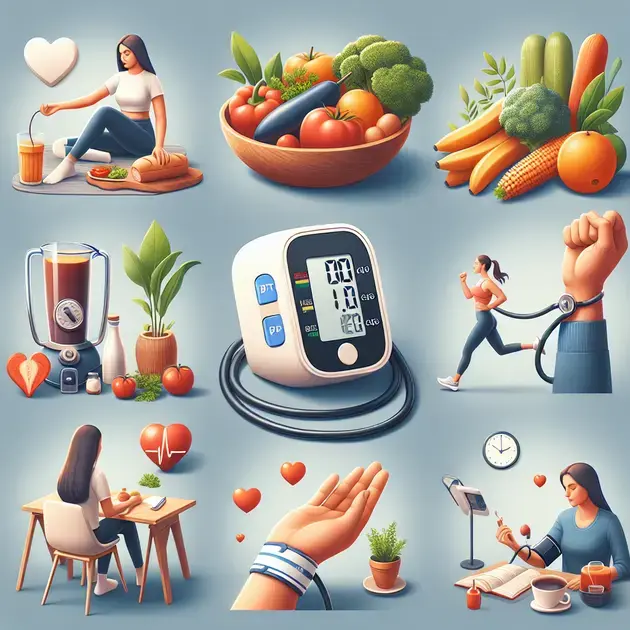
Understanding Optimal Blood Pressure Levels
Understanding optimal blood pressure levels is crucial for maintaining good health. Blood pressure is the force of blood against the walls of your arteries as your heart pumps it around your body. It is measured in millimeters of mercury (mmHg) and consists of two numbers: systolic pressure (the top number) and diastolic pressure (the bottom number).
Optimal blood pressure levels are typically considered to be around 120/80 mmHg. High blood pressure, also known as hypertension, is a common condition that can lead to serious health issues such as heart disease and stroke. On the other hand, low blood pressure, or hypotension, can cause symptoms like dizziness and fainting.
To understand your optimal blood pressure levels, it is recommended to regularly monitor your blood pressure at home using a reliable blood pressure monitor. Apps like “Blood Pressure Tracker” or websites like “WebMD” provide valuable information on how to measure and interpret your blood pressure readings accurately.
By understanding what constitutes optimal blood pressure levels and monitoring them regularly, you can take proactive steps to maintain your cardiovascular health and prevent potential complications.
The Importance of Achieving Optimal Blood Pressure
Achieving optimal blood pressure is essential for overall well-being and longevity. When your blood pressure is within the healthy range, your heart doesn’t have to work as hard to pump blood throughout your body, reducing the risk of heart disease, stroke, and other serious conditions.
One of the key benefits of maintaining optimal blood pressure is the prevention of cardiovascular events. High blood pressure can damage your arteries over time, leading to a buildup of plaques that can result in heart attacks or strokes. On the contrary, having optimal blood pressure levels ensures proper blood flow and oxygen delivery to all parts of your body.
To achieve and sustain optimal blood pressure, lifestyle modifications such as eating a balanced diet low in sodium, engaging in regular physical activity, managing stress, and avoiding tobacco and excessive alcohol consumption are crucial. Apps like “MyFitnessPal” and “Calm” can assist you in tracking your diet and stress levels to support your blood pressure goals.
By understanding the importance of optimal blood pressure and adopting healthy habits, you can significantly reduce the risk of cardiovascular complications and enhance your quality of life.
Tips for Maintaining Optimal Blood Pressure
Maintaining optimal blood pressure requires a combination of lifestyle changes and regular monitoring. One effective tip is to follow a heart-healthy diet rich in fruits, vegetables, whole grains, and lean proteins while limiting processed foods and saturated fats.
Another important tip is to engage in regular physical activity, aiming for at least 150 minutes of moderate exercise per week. Exercise not only helps control blood pressure but also improves overall cardiovascular fitness and mental well-being.
Stress management is also key in maintaining optimal blood pressure levels. Practices such as mindfulness meditation, deep breathing exercises, and yoga can help reduce stress and lower blood pressure naturally.
In addition to lifestyle modifications, it’s essential to monitor your blood pressure regularly at home and follow up with your healthcare provider as needed. Apps like “Cardiio” or devices like “Omron Blood Pressure Monitor” can assist you in tracking your blood pressure readings and sharing them with your doctor for personalized guidance.
By incorporating these tips into your daily routine and staying proactive about your cardiovascular health, you can achieve and maintain optimal blood pressure levels for a healthier and happier life.

Key Information on Optimal Blood Pressure Levels
Understanding your optimal blood pressure levels is crucial for maintaining good health and preventing cardiovascular diseases. The optimal blood pressure level is typically considered to be around 120/80 mmHg. This means that the systolic pressure should be around 120 mmHg, and the diastolic pressure should be around 80 mmHg. However, it’s essential to consult with a healthcare professional to determine your specific optimal blood pressure level, as it can vary based on various factors such as age, gender, and overall health.
Having high blood pressure, also known as hypertension, can increase the risk of heart disease, stroke, and other serious health conditions. On the other hand, low blood pressure, or hypotension, can also have adverse effects on your health. Monitoring your blood pressure regularly and following the advice of your healthcare provider can help you maintain optimal blood pressure levels and reduce the risk of complications.
Factors such as diet, exercise, stress levels, and genetics can all impact your blood pressure levels. Making lifestyle changes and adopting healthy habits can play a significant role in keeping your blood pressure within the optimal range. By staying informed about your blood pressure levels and taking proactive steps to manage them, you can lead a healthier and more fulfilling life.
Remember that optimal blood pressure levels are crucial for your overall well-being. By prioritizing your heart health and taking the necessary steps to maintain healthy blood pressure levels, you can reduce the risk of cardiovascular diseases and enjoy a better quality of life.
Lifestyle Changes to Support Healthy Blood Pressure
Adopting a healthy lifestyle is essential for supporting healthy blood pressure levels and overall well-being. Making simple but effective lifestyle changes can have a significant impact on your blood pressure and reduce the risk of hypertension and related health issues. Here are some lifestyle changes you can incorporate to support healthy blood pressure:
1. Maintain a Balanced Diet:
Eating a diet rich in fruits, vegetables, whole grains, and lean proteins can help lower high blood pressure. Avoiding processed foods, sugary beverages, and excessive salt intake is also essential for maintaining healthy blood pressure levels. Incorporate foods high in potassium, magnesium, and fiber to support cardiovascular health.
2. Stay Active:
Regular physical activity is crucial for managing blood pressure and overall health. Aim for at least 150 minutes of moderate-intensity exercise per week, such as brisk walking, cycling, or swimming. Exercise helps strengthen the heart, improve circulation, and lower blood pressure levels.
3. Manage Stress:
Chronic stress can contribute to high blood pressure and other health problems. Practice relaxation techniques such as deep breathing, meditation, yoga, or spending time in nature to reduce stress levels. Prioritize self-care and find healthy ways to cope with stress to support healthy blood pressure.
4. Limit Alcohol and Caffeine:
Excessive consumption of alcohol and caffeine can raise blood pressure levels. Limit your intake of alcoholic beverages and caffeinated drinks to support healthy blood pressure. Opt for water, herbal teas, or other non-alcoholic and caffeine-free beverages as healthier alternatives.
Monitoring Your Blood Pressure Regularly
Regular monitoring of your blood pressure is essential for detecting any fluctuations and ensuring that your levels remain within the optimal range. Monitoring your blood pressure at home using a digital blood pressure monitor can help you track changes over time and provide valuable insights into your heart health. Here is a step-by-step guide on how to monitor your blood pressure regularly:
1. Invest in a Reliable Blood Pressure Monitor:
Choose a high-quality digital blood pressure monitor that is easy to use and provides accurate readings. Consult with your healthcare provider for recommendations on the best monitor for your needs.
2. Find a Quiet and Comfortable Setting:
Select a quiet and comfortable location in your home to take your blood pressure measurements. Avoid distractions and ensure that you are in a relaxed state before measuring your blood pressure.
3. Follow the Instructions Carefully:
Read the user manual of your blood pressure monitor and follow the instructions for proper usage. Position the cuff correctly on your arm, sit up straight with your back supported, and remain still during the measurement.
4. Record Your Readings:
Keep a log of your blood pressure readings, including the date, time, and measurements. Monitoring trends over time can help you and your healthcare provider identify any changes and take appropriate actions to maintain healthy blood pressure levels.
Conclusion
Understanding your optimal blood pressure levels is vital for maintaining good health and preventing cardiovascular diseases. The recommended blood pressure level is around 120/80 mmHg, but consulting a healthcare professional is essential to determine your specific optimal level. High blood pressure can lead to heart disease and other serious conditions, while low blood pressure also poses risks. By monitoring and managing your blood pressure through lifestyle changes, such as a balanced diet, regular exercise, stress management, and limiting alcohol and caffeine intake, you can support healthy blood pressure levels and overall well-being.
Maintaining a healthy lifestyle is key to supporting optimal blood pressure levels. Incorporating habits like eating a balanced diet rich in fruits and vegetables, engaging in regular physical activity, managing stress through relaxation techniques, and limiting alcohol and caffeine consumption can have a significant impact on your heart health. By making these lifestyle changes and monitoring your blood pressure regularly at home with a reliable monitor, you can take proactive steps to ensure your levels stay within the optimal range and reduce the risk of cardiovascular diseases.
Remember, prioritizing your heart health by staying informed about your blood pressure levels and implementing healthy habits is crucial for a better quality of life. By taking control of your health through simple lifestyle changes and consistent monitoring, you can reduce the risks associated with high or low blood pressure and lead a healthier, more fulfilling life.

