
Measuring blood pressure is a crucial aspect of maintaining good health. Understanding how to accurately measure your blood pressure at home can provide valuable insights into your cardiovascular well-being. In this step-by-step guide, we will walk you through the process of monitoring your blood pressure levels effectively.
As technology advances, new devices and methods for measuring blood pressure are constantly being developed. It is essential to stay informed about the most up-to-date techniques to ensure the accuracy of your readings. By following this comprehensive guide, you will learn the necessary steps to measure your blood pressure correctly and take control of your cardiovascular health.
**
How to Choose the Right Blood Pressure Monitor
**
When it comes to selecting the right blood pressure monitor, there are several factors to consider to ensure accurate readings and a reliable device. Here is a step-by-step guide to help you choose the best blood pressure monitor for your needs:
1. Consult with a Healthcare Professional:
Before purchasing a blood pressure monitor, it is advisable to consult with a healthcare professional, such as your doctor or pharmacist. They can provide recommendations based on your specific health needs and make sure you choose a monitor that meets medical standards.
2. Decide Between Automatic or Manual:
Consider whether you prefer an automatic or manual blood pressure monitor. Automatic monitors are easier to use, while manual devices require more precision but can be more cost-effective.
3. Choose the Right Cuff Size:
Ensure you select a blood pressure monitor with the correct cuff size for your arm. Using an ill-fitting cuff can result in inaccurate readings. Most monitors come with adjustable cuffs to accommodate different arm sizes.
4. Look for User-Friendly Features:
Opt for a blood pressure monitor with features that make it easy to use, such as large, easy-to-read displays, memory storage for multiple users, and the ability to sync data with a smartphone app for tracking trends over time.
5. Consider Validation and Accuracy:
Check if the blood pressure monitor you are considering is validated by organizations like the British Hypertension Society or the Association for the Advancement of Medical Instrumentation to ensure its accuracy and reliability.
**
Tips for Proper Blood Pressure Measurement
**
Accurate blood pressure measurement is essential for managing hypertension effectively. Follow these tips to ensure you get reliable readings every time:
1. Sit Properly and Relax:
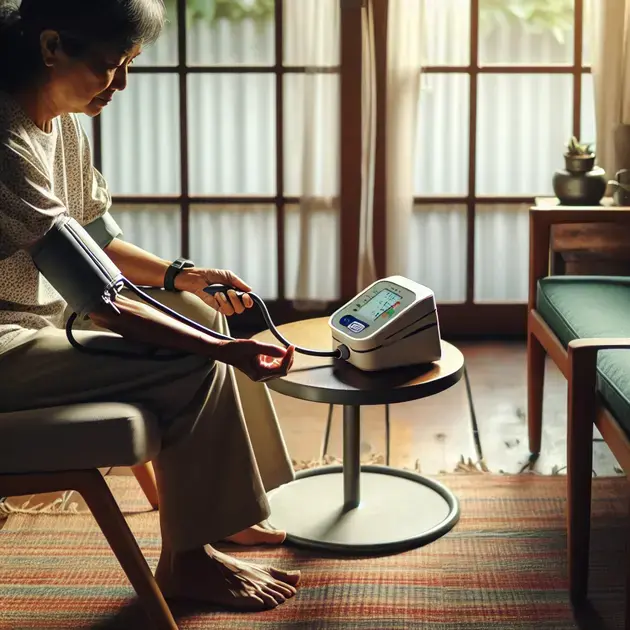
Before taking your blood pressure, sit comfortably with your back supported, feet flat on the floor, and arm supported at heart level. Relax for a few minutes before measuring.
2. Avoid Caffeine and Nicotine:
Avoid consuming caffeine or nicotine at least 30 minutes before measuring your blood pressure, as these substances can temporarily raise your blood pressure.
3. Take Multiple Readings:
For accurate results, take multiple readings at different times of the day and record the values. This can provide you and your healthcare provider with a better understanding of your blood pressure patterns.
4. Use the Right Technique:
Make sure the cuff is placed correctly on your bare upper arm, with the bottom edge of the cuff about an inch above your elbow. Follow the instructions provided with your blood pressure monitor for the proper technique.
5. Measure Both Arms:
Occasionally measure your blood pressure in both arms to check for any variations. If there is a significant difference, consult your healthcare provider for further evaluation.
**
Common Mistakes to Avoid When Measuring Blood Pressure
**
Even with the right blood pressure monitor and technique, certain mistakes can lead to inaccurate readings. Here are common errors to avoid when measuring your blood pressure:
1. Talking During Measurement:
Avoid talking or moving during the blood pressure measurement, as this can affect the accuracy of the reading. Stay still and quiet while the monitor is in use.
2. Incorrect Cuff Placement:
Ensure the cuff is placed on your upper arm at heart level and is snug but not too tight. Incorrect cuff placement can result in inaccurate readings.
3. Not Resting Before Measurement:
Take a few minutes to rest and relax before measuring your blood pressure. Stress or physical activity can temporarily elevate blood pressure levels.
4. Ignoring Irregular Readings:
If you get an unusually high or low reading, don’t ignore it. Take another measurement after a few minutes of rest to confirm the result and consult your healthcare provider if necessary.
5. Not Keeping Track of Readings:
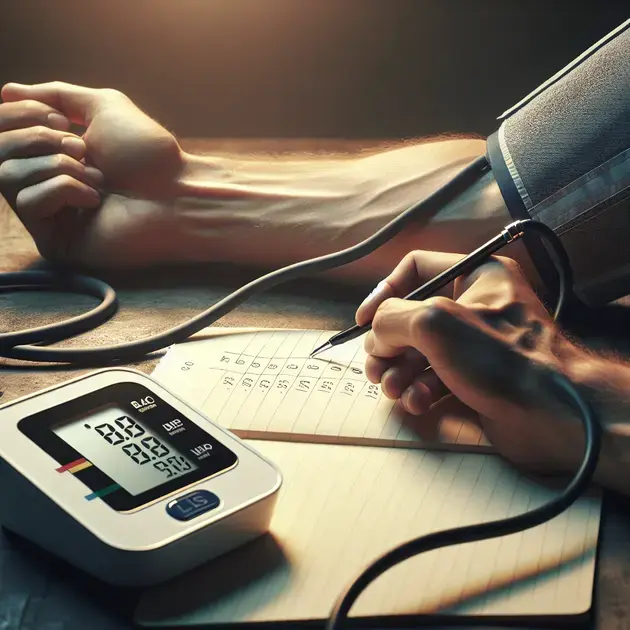
Keeping a log of your blood pressure readings over time can help you and your healthcare provider monitor trends and make informed decisions about your treatment plan. Use a dedicated app or notebook to record your measurements regularly.
Important Factors to Consider When Monitoring Blood Pressure
When it comes to monitoring blood pressure, there are several important factors to consider to ensure accurate readings. One key factor is the timing of the measurement. It is recommended to take blood pressure readings at the same time each day to account for any fluctuations that may occur throughout the day. Additionally, it is important to avoid any stimulants such as caffeine or nicotine before taking a reading, as these can temporarily raise blood pressure levels.
Another critical factor to consider is the positioning of the individual during the measurement. It is best to sit in a comfortable position with your back supported and feet flat on the floor. The arm should be at heart level, supported on a table or armrest. Ensuring the cuff is the appropriate size for the arm is also crucial for accurate readings.
Furthermore, it is essential to remain still and quiet during the measurement to avoid any potential interference with the results. Talking or moving during the reading can lead to inaccurate readings. It is also advisable to empty the bladder before taking a blood pressure measurement, as a full bladder can affect the results.
Consistency in monitoring blood pressure is key to tracking any changes over time. Keeping a log of readings can help identify patterns or trends and provide valuable information to healthcare providers. Understanding and considering these factors will lead to more accurate and reliable blood pressure monitoring.
Best Practices for Accurate Blood Pressure Measurement
Accurate blood pressure measurement is essential for proper diagnosis and treatment of hypertension. One of the best practices for accurate measurement is to use a validated and properly calibrated blood pressure monitor. Whether using a manual or digital device, ensuring it is regularly checked for accuracy is crucial.
Proper cuff placement is another key factor in obtaining accurate readings. The cuff should be placed snugly around the upper arm, with the bottom edge of the cuff about one inch above the elbow. It is important to position the cuff correctly to avoid errors in measurement.
In addition, taking multiple readings at different times can help account for variability in blood pressure. Averaging these readings can provide a more accurate representation of overall blood pressure levels. It is recommended to take at least two readings, one minute apart, and record the average result.
Creating a calm and relaxing environment for blood pressure measurement is also crucial. Stress and anxiety can lead to elevated readings, known as white-coat hypertension. Encouraging patients to relax and sit quietly before and during the measurement can help achieve more accurate results.
By following these best practices, healthcare providers can ensure accurate blood pressure measurement and provide patients with proper guidance and treatment based on reliable data.
Understanding the Importance of Consistent Blood Pressure Monitoring
Consistent blood pressure monitoring is vital for the management of hypertension and overall cardiovascular health. Regular monitoring allows healthcare providers to track changes in blood pressure over time and make informed decisions regarding treatment and lifestyle modifications.
One of the key benefits of consistent monitoring is early detection of high blood pressure. By keeping track of blood pressure readings, individuals and healthcare providers can identify hypertension in its early stages and take appropriate steps to manage it effectively.
Consistent monitoring also helps in assessing the effectiveness of treatment. By regularly monitoring blood pressure, healthcare providers can determine if the current treatment plan is working or if adjustments are necessary. Monitoring can also help motivate individuals to adhere to treatment and lifestyle changes.
Another important aspect of consistent monitoring is the prevention of cardiovascular complications. By keeping blood pressure levels in check through regular monitoring, individuals can reduce the risk of heart disease, stroke, and other complications associated with hypertension.
Overall, understanding the importance of consistent blood pressure monitoring and making it a routine part of healthcare can lead to better management of hypertension and improved overall health outcomes.
Conclusion
Monitoring blood pressure accurately requires attention to various critical factors such as timing, positioning, and consistency. By taking readings at the same time daily and avoiding stimulants before measurement, individuals can ensure more reliable results. Positioning oneself correctly, with proper cuff placement and a calm environment, is key to obtaining accurate readings.
Utilizing best practices like using validated monitors, taking multiple readings for averaging, and creating a relaxed atmosphere during measurement can lead to more precise blood pressure readings. These practices are essential for effective diagnosis and treatment of hypertension, allowing healthcare providers to offer appropriate guidance based on reliable data.
Consistent monitoring plays a crucial role in managing hypertension and overall cardiovascular health. Early detection of high blood pressure, assessment of treatment effectiveness, and prevention of cardiovascular complications are some of the significant benefits of regular monitoring. By incorporating consistent blood pressure monitoring into routine healthcare, individuals can enhance hypertension management and promote better overall health outcomes.

