
Struggling to Sleep?
If you find yourself tossing and turning at night, unable to catch those much-needed Z’s, you’re not alone. Sleep troubles can impact every aspect of your life, from your mood to your productivity. But fear not, there are solutions to help you improve your sleep quality and finally get the rest you deserve. In this article, we’ll explore effective strategies and tips to help you achieve a better night’s sleep.
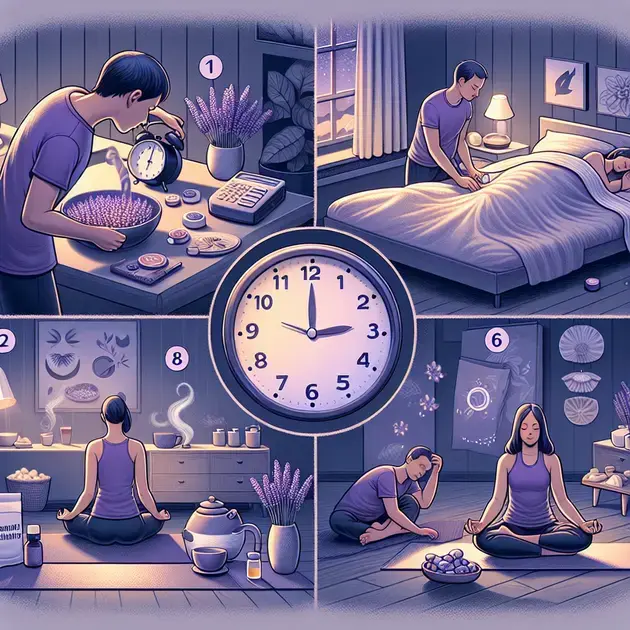
How to Improve Your Sleep Quality
Improving your sleep quality is essential for overall well-being. One effective way to achieve this is by establishing a consistent sleep schedule. Aim to go to bed and wake up at the same time every day, even on weekends. This helps regulate your body’s internal clock, promoting better sleep. Apps like SleepCycle or websites like Sleep Foundation provide valuable resources on creating a sleep schedule.
In addition to a sleep schedule, creating a relaxing bedtime routine can signal to your body that it’s time to unwind. Incorporate activities such as reading a book, taking a warm bath, or practicing mindfulness before bed. Calm and Headspace are popular apps that offer guided meditation and relaxation techniques to help improve sleep quality.
Another crucial factor in improving sleep quality is ensuring your sleep environment is optimal. Keep your bedroom dark, quiet, and cool to promote restful sleep. Consider using white noise machines or apps like Noisli to mask distracting sounds. Apps like Twilight or Flux can also help reduce exposure to blue light from screens, which can disrupt sleep.
Avoiding stimulants like caffeine and nicotine close to bedtime is key to enhancing sleep quality. These substances can interfere with your ability to fall asleep. Instead, opt for herbal teas like chamomile or lavender, which have calming properties. Apps like Caffeine Tracker can help monitor your intake throughout the day.
Lastly, regular exercise can contribute to better sleep quality. Engaging in physical activity during the day can promote deeper and more restorative sleep at night. Apps like Nike Training Club or MyFitnessPal offer workout routines and fitness tracking to help you stay active and improve your sleep.
Top Tips for a Better Night’s Sleep
If you’re looking to enhance your sleep quality, incorporating relaxation techniques can make a significant difference. Deep breathing exercises, progressive muscle relaxation, or gentle yoga stretches can help your body relax before bedtime. Apps like Breethe or Simple Habit offer guided breathing exercises and relaxation techniques to aid in better sleep.
Another tip for a better night’s sleep is to limit screen time before bed. The blue light emitted from phones, tablets, and computers can interfere with your body’s production of melatonin, a hormone that regulates sleep. Consider using apps like Night Shift or Twilight to reduce blue light exposure in the evening.
Creating a comfortable sleep environment is crucial for a restful night’s sleep. Invest in a supportive mattress and pillows that promote proper alignment. Apps like SleepScore or Sleep As Android can provide insights into your sleep quality and offer personalized recommendations for optimizing your sleep environment.
Practicing mindfulness and stress-reducing techniques can also improve your ability to fall asleep and stay asleep throughout the night. Apps like Calm or Headspace offer guided meditations, sleep stories, and relaxing music to help calm your mind and prepare your body for sleep.
If you’re struggling with persistent sleep issues, it may be beneficial to consult with a healthcare professional or sleep specialist. They can offer personalized advice and treatment options to address any underlying sleep disorders or issues affecting your sleep quality.
The Ultimate Guide to Solving Your Sleep Troubles
When faced with sleep troubles, it’s essential to identify and address any underlying factors that may be impacting your sleep quality. Keeping a sleep journal can help track patterns and identify potential triggers for poor sleep. Apps like Sleep Cycle or SleepScore can assist in monitoring your sleep patterns and identifying areas for improvement.
Establishing a relaxing bedtime routine that signals to your body it’s time to wind down can be highly effective in combating sleep troubles. Consider incorporating activities such as gentle stretching, reading a book, or taking a warm bath before bed. Apps like Insight Timer or Relax Melodies offer soothing sounds and meditation practices to help you relax and prepare for sleep.
If stress and anxiety are contributing to your sleep troubles, techniques like cognitive-behavioral therapy for insomnia (CBT-I) can be beneficial. Apps like SHUTi or Sleepio provide CBT-I programs that can help address negative thought patterns and behaviors that may be disrupting your sleep.
Diet plays a significant role in sleep quality, so it’s essential to be mindful of what you consume, especially close to bedtime. Avoid heavy meals, caffeine, and alcohol late in the evening, as these can interfere with your sleep. Apps like MyFitnessPal or Cronometer can help you track your nutritional intake and make informed choices for better sleep.
If you continue to experience persistent sleep troubles despite trying various solutions, seeking professional help from a healthcare provider or sleep specialist is advisable. They can conduct a thorough evaluation, diagnose any underlying sleep disorders, and recommend appropriate treatment options to help improve your sleep quality.

Discover Easy Solutions for Restful Sleep
Are you struggling to get a good night’s sleep? Finding the right solutions for restful sleep can significantly improve your overall well-being. Here are some easy and effective ways to help with sleep:
1. Create a Relaxing Bedtime Routine
Establishing a calming routine before bedtime can signal to your body that it’s time to wind down. This may include activities like reading a book, taking a warm bath, or practicing meditation. Consistency is key to help with sleep.
2. Optimize Your Sleep Environment
Your bedroom should be a sleep-friendly environment. Make sure it’s dark, quiet, and at a comfortable temperature. Investing in a supportive mattress and pillows can also promote better sleep quality. Small changes can make a big difference in helping with sleep.
3. Limit Screen Time Before Bed
The blue light emitted by screens can interfere with your body’s production of melatonin, a hormone that regulates sleep. Avoid using electronic devices at least an hour before bedtime to prepare your mind for restful sleep.
4. Practice Relaxation Techniques
Relaxation techniques such as deep breathing, progressive muscle relaxation, or guided imagery can help calm your mind and body before sleep. Incorporating these practices into your nightly routine can aid in falling asleep faster and achieving a more restful sleep.
5. Avoid Stimulants Close to Bedtime
Caffeine, nicotine, and alcohol can disrupt your sleep patterns if consumed too close to bedtime. Be mindful of your intake of these substances and try to limit them in the hours leading up to sleep. Opt for decaffeinated beverages or herbal teas instead to promote better sleep quality.
Effective Strategies to Enhance Your Sleep Routine
Improving your sleep routine can have a profound impact on your overall health and well-being. By incorporating effective strategies, you can create a bedtime routine that promotes restful sleep. Here are some key strategies to help with sleep:
1. Establish a Consistent Sleep Schedule
Going to bed and waking up at the same time every day helps regulate your body’s internal clock. Consistency in your sleep schedule can improve the quality of your sleep and make it easier to fall asleep and wake up naturally.
2. Exercise Regularly
Physical activity during the day can promote better sleep at night. Engaging in regular exercise can help reduce stress and anxiety, making it easier to relax and fall asleep. Aim for at least 30 minutes of moderate exercise most days of the week to enhance your sleep routine.
3. Monitor Your Bedroom Environment
Keep your bedroom dark, quiet, and cool to create an optimal sleep environment. Consider using blackout curtains, white noise machines, or a comfortable sleep mask to eliminate distractions and promote restful sleep. Taking steps to optimize your bedroom can significantly improve your sleep quality.
4. Practice Mindfulness and Meditation
Mindfulness and meditation can help quiet the mind and reduce stress, making it easier to fall asleep. Incorporating mindfulness techniques into your bedtime routine, such as deep breathing or body scans, can promote relaxation and improve sleep quality. By focusing on the present moment, you can help with sleep.
5. Limit Daytime Naps
While a short nap can be refreshing, long or late afternoon naps can interfere with your ability to fall asleep at night. If you need to nap during the day, keep it short (around 20-30 minutes) and avoid napping too close to bedtime. Maintaining a balance in your sleep-wake cycle can enhance your overall sleep routine.
Mastering the Art of Falling Asleep Faster
Falling asleep quickly and easily is a skill that can be mastered with the right techniques and practices. If you often find yourself tossing and turning in bed, these strategies can help you improve your ability to fall asleep faster:
1. Create a Pre-Sleep Wind Down Routine
To signal to your body that it’s time to sleep, establish a calming wind-down routine before bedtime. This may include activities like reading a book, listening to soothing music, or practicing gentle stretches. Consistency is key in helping your body relax and prepare for sleep.
2. Use Relaxation Techniques
Relaxation techniques such as progressive muscle relaxation, visualization, or mindfulness meditation can help quiet your mind and relax your body. Practicing these techniques before bed can reduce stress and anxiety, making it easier to fall asleep faster.
3. Try Cognitive Behavioral Therapy for Insomnia (CBT-I)
Cognitive Behavioral Therapy for Insomnia (CBT-I) is a proven treatment for sleep disorders that can help you change negative thought patterns and behaviors associated with sleep. Working with a therapist specializing in CBT-I can provide you with effective strategies to improve your sleep quality and fall asleep faster.
4. Limit Exposure to Bright Light at Night
Exposure to bright light, especially from electronic devices, can suppress the production of melatonin, making it harder to fall asleep. Avoid using screens before bed and consider using blue-light-blocking glasses or filters to reduce the impact of artificial light on your sleep cycle.
5. Create a Comfortable Sleep Environment
Your bedroom should be a sanctuary for sleep. Invest in a comfortable mattress and pillows, ensure your room is dark and quiet, and maintain a cool temperature to promote optimal sleep conditions. By creating a cozy and inviting sleep environment, you can enhance your ability to fall asleep faster and achieve restful sleep.
**
Conclusion
**
In conclusion, improving sleep quality is vital for overall well-being. By establishing a consistent sleep schedule, creating a relaxing bedtime routine, ensuring an optimal sleep environment, avoiding stimulants, and incorporating regular exercise, individuals can enhance the quality of their sleep. Utilizing relaxation techniques, limiting screen time, and seeking professional help when needed are additional strategies to achieve a better night’s sleep.
Addressing underlying factors, maintaining a consistent sleep schedule, monitoring the bedroom environment, practicing mindfulness, and limiting daytime naps are effective strategies to enhance one’s sleep routine. Mastering the art of falling asleep faster involves creating a pre-sleep wind-down routine, utilizing relaxation techniques, considering cognitive-behavioral therapy for insomnia, limiting exposure to bright light at night, and creating a comfortable sleep environment.
By following these comprehensive tips and strategies, individuals can make significant improvements in their sleep quality, leading to better overall health and well-being. Remember, each person’s sleep needs are unique, so it may require some trial and error to find the combination of techniques that work best. Prioritizing sleep and implementing these suggestions can pave the way for restful nights and energized days.

