
Understanding the levels of blood glucose is crucial for individuals living with diabetes. Proper management of blood sugar can help prevent complications and improve overall health. In this post, we will delve into key insights and effective strategies for managing blood glucose levels in diabetes.
With the advancement of technology, there are now various tools and devices available to monitor blood glucose levels more conveniently and accurately. These tools, coupled with lifestyle modifications and medical guidance, can significantly impact the management of diabetes and help individuals lead a healthier life.
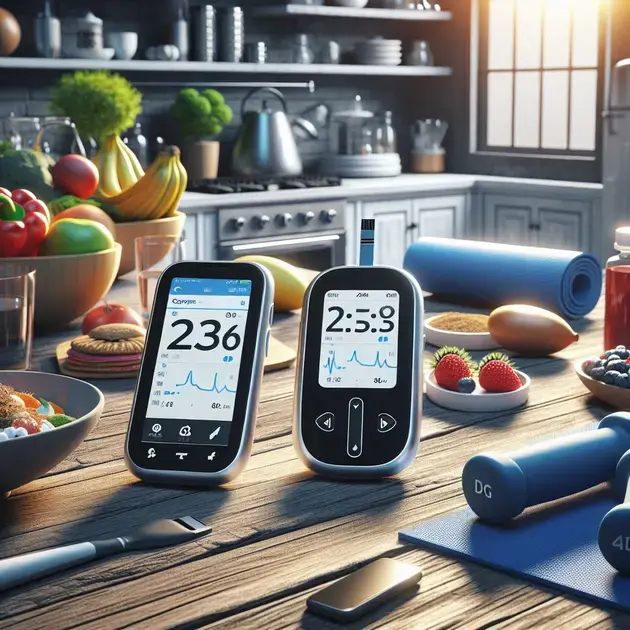
Key Strategies for Managing Blood Glucose Levels
Managing blood glucose levels is crucial for individuals with diabetes to maintain their overall health and well-being. Here are some key strategies to effectively manage blood glucose levels:
1. Regular Monitoring
One of the most important strategies for managing blood glucose levels is regular monitoring. Use a reliable blood glucose monitoring device like the Accu-Chek Guide Me to check your levels consistently throughout the day. This will help you understand how your body responds to food, exercise, and medication.
2. Balanced Diet
Adopting a balanced diet plays a significant role in managing blood glucose levels. Use apps like MyFitnessPal or SparkPeople to track your daily food intake and make healthier choices. Include plenty of fruits, vegetables, whole grains, and lean proteins in your meals to help stabilize your blood sugar levels.
3. Regular Exercise
Engaging in regular physical activity is essential for managing blood glucose levels. Consider using fitness apps like Fitbit or Nike Training Club to create a personalized workout routine. Aim for at least 150 minutes of moderate-intensity exercise per week to improve insulin sensitivity and lower blood sugar levels.
4. Medication Management
For individuals with diabetes who require medication, adherence to their prescribed treatment plan is crucial. Utilize medication tracking apps like Medisafe to set reminders for taking your medication on time. Consult with your healthcare provider regularly to ensure your medication regimen is effectively managing your blood glucose levels.
5. Stress Management
Stress can significantly impact blood glucose levels, so it’s essential to incorporate stress management techniques into your daily routine. Try mindfulness and meditation apps like Headspace or Calm to reduce stress and improve your overall well-being. Prioritize self-care and relaxation to help keep your blood sugar levels stable.
The Importance of Monitoring Blood Glucose Levels
Monitoring blood glucose levels is a critical aspect of diabetes management. Proper monitoring allows individuals to track their progress, make informed decisions, and prevent complications. Here’s why monitoring blood glucose levels is important:
1. Early Detection of Fluctuations
Regularly monitoring blood glucose levels can help individuals detect any fluctuations or patterns in their levels. Use continuous glucose monitoring systems like Dexcom G6 to receive real-time glucose readings and alerts. Early detection of highs or lows can prevent emergency situations and promote better overall health.
2. Treatment Adjustment
Monitoring blood glucose levels enables individuals and healthcare providers to make necessary treatment adjustments. Utilize diabetes management platforms like Glooko or mySugr to log your glucose readings, medications, and lifestyle factors. By analyzing this data, you can work with your healthcare team to adjust your treatment plan for optimal blood sugar control.
3. Lifestyle Modifications
Tracking blood glucose levels empowers individuals to make informed lifestyle modifications. Use apps like Sugarmate or Sugarcubes to log your dietary choices, exercise routines, and stress levels. Understanding how these factors affect your blood sugar levels can help you make positive changes and improve your overall diabetes management.
4. Prevention of Complications
Consistent monitoring of blood glucose levels can help prevent long-term complications associated with diabetes. Monitor your levels using devices like One Drop and share the data with your healthcare team. By maintaining tight control of your blood sugar levels, you can reduce the risk of complications such as neuropathy, retinopathy, and cardiovascular disease.
5. Empowerment and Education
Monitoring blood glucose levels provides individuals with a sense of empowerment and education about their condition. Explore educational resources on apps like Beyond Type 1 or Diabetes Daily to learn more about managing diabetes effectively. By taking an active role in monitoring your blood glucose levels, you can take control of your health and well-being.
Utilizing Technology for Effective Diabetes Management
Technology plays a significant role in modern diabetes management, offering tools and resources to improve outcomes and simplify daily tasks. Here’s how you can utilize technology effectively for managing diabetes:
1. Diabetes Management Apps
Utilize diabetes management apps like Sugarmate, mySugr, or Glucose Buddy to track your blood glucose levels, medications, and meal plans. These apps provide valuable insights into your diabetes management and help you make informed decisions about your health.
2. Continuous Glucose Monitoring Systems
Consider using continuous glucose monitoring systems like the Dexcom G6 or Freestyle Libre to monitor your blood glucose levels in real time. These devices offer convenience and accuracy, allowing you to track trends and make adjustments to your treatment plan as needed.
3. Smart Insulin Pens
Smart insulin pens like the InPen or Timesulin can help simplify insulin dosing and tracking. These devices connect to your smartphone and provide dosage reminders, insulin calculations, and data logging. By using smart insulin pens, you can enhance medication adherence and improve your overall diabetes management.
4. Telemedicine Services
Take advantage of telemedicine services to connect with healthcare providers remotely for diabetes management. Platforms like Teladoc or Doctor On Demand offer virtual consultations, prescription refills, and personalized care plans. Accessing healthcare services through telemedicine can save time and ensure continuity of care for managing diabetes effectively.
5. Wearable Devices
Explore wearable devices like fitness trackers or smartwatches that offer health monitoring features. Devices such as Fitbit or Apple Watch can track your activity levels, heart rate, and even blood glucose levels. By incorporating wearable technology into your daily routine, you can stay informed about your health status and make proactive choices for effective diabetes management.
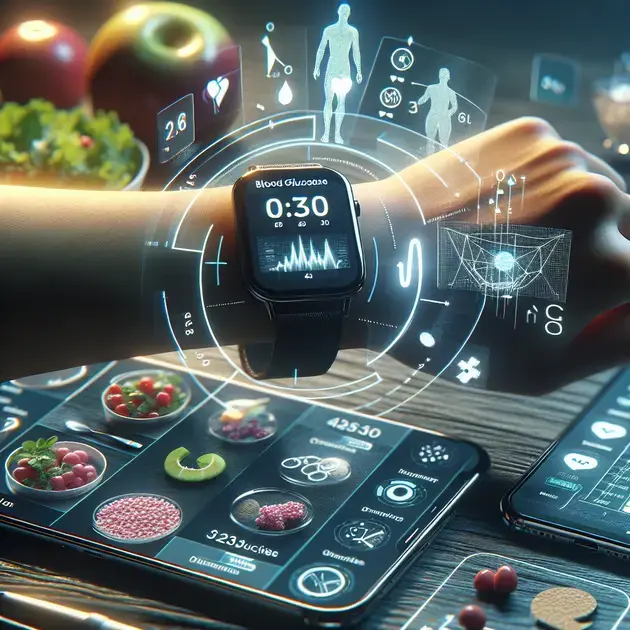
**Blood Glucose Monitoring Techniques**
Glucometers are essential tools for individuals managing diabetes, allowing them to track their blood glucose levels effectively. These devices are user-friendly and typically involve pricking a finger to obtain a small blood sample, which is then placed on a test strip and inserted into the meter for measurement. Regular monitoring throughout the day can provide valuable insights into how various factors such as food, physical activity, and medication impact blood sugar levels.
Continuous glucose monitors (CGMs) offer another advanced technique for monitoring blood glucose levels. CGMs provide real-time data on glucose levels, trends, and patterns, offering a more comprehensive view of how the body responds to different stimuli. These devices can be particularly beneficial for individuals who require close monitoring or those with fluctuating glucose levels.
Aside from traditional monitoring methods, some individuals may opt for alternate techniques such as flash glucose monitoring. This innovative approach involves wearing a sensor on the skin that continuously measures glucose levels, eliminating the need for frequent finger pricks. This can provide a more convenient and discreet method of monitoring glucose levels throughout the day.
It’s essential for individuals with diabetes to establish a routine for monitoring their blood glucose levels regularly. By incorporating these various monitoring techniques into their daily regimen, individuals can gain valuable insights into their glucose control and make informed decisions about their lifestyle and treatment plans.
Overall, the use of modern blood glucose monitoring techniques has revolutionized the management of diabetes, empowering individuals to take control of their health and make proactive choices to optimize their glucose levels.
**Incorporating Lifestyle Changes to Improve Glucose Control**
Adopting healthy lifestyle changes is crucial for individuals with diabetes to improve their glucose control and overall well-being. One of the most significant lifestyle modifications is maintaining a balanced diet rich in nutrients and low in sugar and processed foods. Focusing on whole foods such as fruits, vegetables, lean proteins, and whole grains can help stabilize blood sugar levels and support overall health.
Regular physical activity is another key component of managing diabetes and improving glucose control. Engaging in regular exercise can help increase insulin sensitivity, lower blood sugar levels, and improve cardiovascular health. Activities such as walking, cycling, swimming, or strength training can all contribute to better glucose control and overall fitness.
Stress management techniques, such as mindfulness meditation, deep breathing exercises, and yoga, can also play a significant role in improving glucose control. Chronic stress can impact blood sugar levels, so finding healthy ways to reduce stress and promote relaxation is essential for individuals with diabetes.
Adequate sleep is crucial for maintaining optimal glucose control and overall health. Poor sleep habits can disrupt hormone levels related to blood sugar regulation, leading to spikes in glucose levels. Establishing a consistent sleep routine and creating a relaxing bedtime routine can support better sleep quality and improved glucose control.
By incorporating these lifestyle changes into their daily routine, individuals with diabetes can effectively improve their glucose control, reduce the risk of complications, and enhance their overall quality of life. Making small, sustainable changes over time can lead to significant improvements in health and well-being.
**Nutritional Strategies for Diabetes Management**
Proper nutrition plays a vital role in managing diabetes and optimizing glucose control. One essential strategy is monitoring carbohydrate intake and choosing complex carbohydrates with a low glycemic index to prevent rapid spikes in blood sugar levels. Foods such as whole grains, legumes, and non-starchy vegetables are excellent choices for stable glucose control.
Incorporating adequate fiber into the diet can also help regulate blood sugar levels and improve overall digestive health. Fiber-rich foods such as fruits, vegetables, nuts, and seeds can slow down the absorption of sugar and promote satiety, making them valuable additions to a diabetes-friendly diet.
Healthy fats, such as those found in avocados, fatty fish, nuts, and olive oil, can provide essential nutrients and support heart health in individuals with diabetes. Limiting saturated and trans fats is crucial for managing cholesterol levels and reducing the risk of cardiovascular complications associated with diabetes.
Focusing on portion control and mindful eating practices can help individuals with diabetes manage their weight and blood sugar levels effectively. Eating balanced meals and snacks at consistent times throughout the day can prevent blood sugar fluctuations and support steady glucose control.
Engaging with a registered dietitian or healthcare provider specializing in diabetes management can provide personalized guidance and support for creating a nutrition plan tailored to individual needs and preferences. By following these nutritional strategies and making informed food choices, individuals with diabetes can take proactive steps to manage their condition and improve their overall health.
Conclusion
In conclusion, blood glucose monitoring techniques are pivotal for individuals managing diabetes, offering insights into their blood sugar levels and how various factors influence them. Utilizing tools like glucometers, continuous glucose monitors (CGMs), and flash glucose monitoring can provide individuals with a comprehensive view of their glucose control, empowering them to make informed lifestyle and treatment decisions. These modern techniques have revolutionized diabetes management, enabling individuals to take proactive steps towards optimizing their health.
Incorporating lifestyle changes is essential for improving glucose control and overall well-being in individuals with diabetes. Maintaining a balanced diet rich in nutrients, engaging in regular physical activity, practicing stress management techniques, and ensuring adequate sleep are key components of managing diabetes effectively. By adopting these healthy habits, individuals can enhance their glucose control, reduce the risk of complications, and elevate their quality of life over time.
Nutritional strategies play a vital role in diabetes management by focusing on monitoring carbohydrate intake, incorporating fiber-rich foods, and choosing healthy fats. Portion control, mindful eating practices, and seeking guidance from healthcare professionals specializing in diabetes management can further support individuals in managing their condition successfully. By following these strategies, individuals with diabetes can make educated food choices and take proactive steps towards improving their overall health and well-being.

