
High blood pressure is often referred to as a silent killer because it typically has no symptoms, yet it can lead to serious health issues if left unchecked. But how do you know if you have high blood pressure? Understanding the signs and risk factors can help you take control of your health.
From lifestyle changes to regular monitoring, knowing the indicators of high blood pressure is crucial for early detection and prevention. Let’s dive into the key information you need to recognize the warning signs and protect your well-being.
**Signs and Symptoms of High Blood Pressure**
High Blood Pressure Symptoms
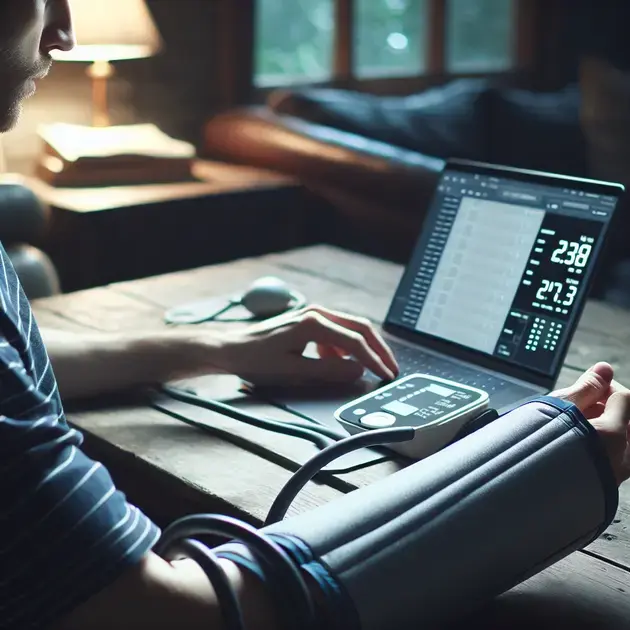
High blood pressure, or hypertension, often doesn’t show any visible symptoms, making it a silent but serious health condition. Common signs may include headaches, shortness of breath, chest pain, irregular heartbeat, and vision problems. To monitor your blood pressure at home, you can use apps like “Blood Pressure Diary” available on both Android and iOS platforms.
Where to Monitor Blood Pressure
Check your blood pressure regularly at local pharmacies or fire stations that offer free screening services. Additionally, many workplaces and health clinics provide blood pressure monitoring stations. For more accurate readings, consider investing in a home blood pressure monitor, such as the Omron series.
When to Seek Medical Help
If you experience severe headaches, fatigue, confusion, chest pain, or difficulty breathing, seek immediate medical help. These symptoms could indicate a hypertensive crisis, requiring urgent attention to prevent severe complications like a stroke or organ damage.
Regular Check-ups
Even if you don’t exhibit symptoms, have regular check-ups with your healthcare provider to monitor and manage your blood pressure levels. Follow their recommendations for lifestyle changes, medication, and other interventions to keep your blood pressure under control.
Understanding the Numbers
Understanding your blood pressure readings is crucial. Systolic, or the top number, measures the pressure in your arteries when your heart beats. Diastolic, the bottom number, indicates the pressure when your heart rests between beats. A healthy blood pressure reading is typically around 120/80 mm Hg.
**Testing and Diagnosis for High Blood Pressure**
Diagnostic Tools for High Blood Pressure
To diagnose high blood pressure accurately, healthcare providers use a blood pressure cuff and a stethoscope to measure your blood pressure. This non-invasive procedure involves wrapping the cuff around your arm, inflating it, and listening to the sounds of your pulse. Various medical apps, such as “Blood Pressure – Heart Care Monitor”, offer digital tools to track and analyze blood pressure readings conveniently on your smartphone.
Importance of Regular Check-ups
Regular medical check-ups are essential for early detection and monitoring of high blood pressure. During these appointments, your healthcare provider will measure your blood pressure, review your medical history, and conduct routine tests to assess your overall cardiovascular health.
Additional Diagnostic Tests
In some cases, your doctor may recommend additional tests beyond blood pressure monitoring to evaluate the extent of organ damage or identify underlying conditions. These tests may include blood tests, urine analysis, electrocardiogram (ECG), echocardiogram, or stress tests.
Home Testing Kits
For convenient monitoring at home, you can purchase blood pressure monitoring kits from reputable brands like Omron, QardioArm, or Withings. Follow the instructions provided with the kit to accurately measure your blood pressure and share the results with your healthcare provider for proper evaluation and guidance.
Telemedicine Services
If visiting a healthcare facility is challenging, consider telemedicine services that offer virtual consultations with healthcare providers. Through video calls or chat platforms, you can discuss your symptoms, receive guidance on monitoring your blood pressure at home, and schedule follow-up appointments as needed.
**Preventive Measures for High Blood Pressure**
Healthy Lifestyle Choices
Adopting a healthy lifestyle is crucial for preventing and managing high blood pressure. Incorporate regular exercise, balanced diet rich in fruits, vegetables, and whole grains, limit salt intake, avoid smoking and excessive alcohol consumption to maintain a healthy blood pressure level. Apps like “MyFitnessPal” can help you track your daily calorie intake and nutritional goals.
Stress Management Techniques
Chronic stress can contribute to high blood pressure. Practice stress-reducing activities such as meditation, yoga, deep breathing exercises, or mindfulness to promote relaxation and lower your blood pressure. Apps like “Calm” and “Headspace” offer guided meditation sessions and stress-relief techniques.
Weight Management Strategies
Maintaining a healthy weight is essential for controlling blood pressure. If you are overweight, aim to lose weight gradually through a combination of healthy eating and regular physical activity. Utilize apps like “Fitbit” or “MyPlate” to set weight loss goals, track your progress, and stay motivated on your journey.
Sleep Quality Improvement
Poor sleep patterns and sleep disorders can impact blood pressure levels. Ensure you get an adequate amount of quality sleep each night by establishing a bedtime routine, creating a comfortable sleep environment, and avoiding stimulants before bedtime. Apps like “Sleep Cycle” or “Calm” offer features to track your sleep quality and patterns.
Regular Monitoring and Follow-up
Consistent monitoring of your blood pressure is key to preventing complications associated with hypertension. Keep a record of your blood pressure readings, follow your healthcare provider’s recommendations, and attend follow-up appointments to adjust your treatment plan as needed for optimal blood pressure control.

Understanding the Risk Factors for High Blood Pressure
Risk Factors Associated with High Blood Pressure
Several risk factors are associated with high blood pressure, also known as hypertension. These factors can increase the likelihood of developing high blood pressure, and it’s essential to be aware of them. Some common risk factors include obesity, a sedentary lifestyle, excessive alcohol consumption, smoking, stress, and a diet high in sodium and low in potassium. If you have a family history of high blood pressure, you may also be at a higher risk of developing the condition. It’s crucial to monitor these risk factors regularly to prevent or manage high blood pressure.
Identifying High Blood Pressure Risk Early
Regular blood pressure screenings are essential in identifying high blood pressure risk early on. By monitoring your blood pressure readings and understanding the risk factors associated with hypertension, you can take proactive steps to prevent its development or manage it effectively. If you notice persistent symptoms such as frequent headaches, fatigue, blurred vision, or chest pain, it’s crucial to consult a healthcare professional for a thorough evaluation. Early detection and intervention can significantly reduce the risks associated with high blood pressure.
Healthy Lifestyle Changes to Manage High Blood Pressure
Implementing a Healthy Diet
One of the most effective ways to manage high blood pressure is by implementing a healthy diet. Focus on consuming a balanced diet rich in fruits, vegetables, whole grains, lean protein, and low-fat dairy products. Limit your intake of processed foods, sugary beverages, and foods high in saturated fats and added sugars. Incorporating foods that are high in potassium and magnesium can also help regulate blood pressure levels. Regular exercise, stress management techniques, and maintaining a healthy weight are also crucial in managing high blood pressure.
Adopting Regular Physical Activity
Regular physical activity plays a significant role in managing high blood pressure. Aim for at least 150 minutes of moderate-intensity exercise per week, such as brisk walking, swimming, or cycling. Physical activity can help lower blood pressure, improve cardiovascular health, and promote overall well-being. Engaging in regular exercise also aids in weight management, reduces stress levels, and enhances blood circulation. By incorporating physical activity into your daily routine, you can effectively manage and prevent high blood pressure.
Medical Treatment Options for High Blood Pressure
Prescription Medications for High Blood Pressure
In some cases, lifestyle modifications may not be sufficient to manage high blood pressure, and prescription medications may be necessary. There are various types of medications available to treat high blood pressure, including diuretics, beta-blockers, ACE inhibitors, calcium channel blockers, and others. It’s essential to consult a healthcare provider to determine the most suitable medication based on individual health conditions and needs. Regular monitoring and adjustment of medication dosages may be required to effectively control high blood pressure.
Monitoring Blood Pressure Levels
Regular monitoring of blood pressure levels is crucial for individuals with high blood pressure. Home blood pressure monitors are readily available and can help individuals track their blood pressure readings conveniently. Healthcare providers may recommend specific monitoring schedules based on individual health conditions and medication regimens. Monitoring blood pressure levels regularly allows for early detection of any fluctuations and enables timely intervention to prevent complications associated with high blood pressure.
Conclusion
In conclusion, understanding the signs and symptoms of high blood pressure is crucial for early detection and management. Monitoring blood pressure at home, seeking medical help for severe symptoms, and having regular check-ups are vital for controlling this silent health condition. Additionally, being aware of risk factors associated with hypertension and making healthy lifestyle choices, such as stress management, weight control, and quality sleep, can significantly impact blood pressure levels. Implementing a balanced diet, engaging in regular physical activity, and considering medical treatment options when necessary are key steps in managing high blood pressure effectively.
By identifying high blood pressure risks early through screenings and proactive measures, individuals can empower themselves to make informed decisions about their health. Monitoring blood pressure levels regularly, whether at home or with healthcare providers, allows for timely interventions and prevents complications. Ultimately, a holistic approach that combines lifestyle changes, medical treatments, and consistent monitoring is essential in successfully managing high blood pressure and reducing associated risks.
With a focus on preventive measures, lifestyle modifications, and medical interventions, individuals can take charge of their blood pressure health and work towards achieving optimal well-being. By integrating these strategies into daily routines and seeking professional guidance as needed, maintaining healthy blood pressure levels becomes a manageable and attainable goal for better overall health and quality of life.

