
Discover Natural and Effective Strategies to Manage Type 2 Diabetes
Are you looking for ways to control type 2 diabetes without relying solely on medications? In this article, we delve into the world of natural remedies and strategies that can help you effectively manage your condition. From lifestyle changes to dietary adjustments, we uncover practical tips that can make a real difference in your diabetes management journey.

Natural Remedies for Managing Type 2 Diabetes
Managing type 2 diabetes naturally involves incorporating lifestyle changes. One effective remedy is to prioritize physical activity. Regular exercise helps control blood sugar levels and improves insulin sensitivity. Apps like MyFitnessPal or websites like Healthline provide workout plans tailored for diabetes management.
In addition to exercise, herbal supplements can also support diabetes management. Cinnamon, fenugreek, and bitter melon are known for their potential to lower blood sugar levels. WebMD or Mayo Clinic websites offer valuable information on the benefits and proper usage of these supplements.
Furthermore, stress management techniques like yoga and meditation can complement traditional treatments. Calm or Headspace apps offer guided meditation sessions to reduce stress levels, which can positively impact blood sugar control.
It’s essential to consult with a healthcare provider before trying any natural remedies to ensure they align with your current treatment plan and health status.
Incorporating Exercise into Your Diabetes Treatment Plan
Exercise plays a crucial role in managing diabetes effectively. To incorporate exercise into your treatment plan, start by setting realistic goals. Apps such as Fitbit or Nike Training Club provide workout routines suitable for individuals with diabetes.
Consistency is key when it comes to exercise. Aim for at least 150 minutes of moderate-intensity aerobic activity per week, such as brisk walking or cycling. These activities help improve blood circulation and glucose metabolism.
Tracking your progress can help you stay motivated. Using apps like Strava or MapMyFitness allows you to monitor your workouts, set targets, and celebrate achievements along the way.
Consider exploring group exercise classes or online fitness communities for added support and accountability. Websites like Peloton or ClassPass offer virtual classes catering to various fitness levels and preferences.
Remember to listen to your body and adjust your exercise routine as needed, always prioritizing safety and enjoyment in your physical activities.
The Importance of a Healthy Diet in Controlling Type 2 Diabetes
Eating a balanced and nutritious diet is fundamental for managing type 2 diabetes. Start by focusing on whole foods such as fruits, vegetables, whole grains, and lean proteins. Apps like MyPlate or websites like Eatright.org provide meal planning guidance for diabetics.
Monitoring carbohydrate intake is crucial for blood sugar control. Use tools like the Carb Manager app or the American Diabetes Association’s website to track your carbs and make informed dietary choices.
Incorporating fiber-rich foods can help regulate blood sugar levels and improve digestion. Websites like Healthline or EatingWell offer recipes and insights on incorporating fiber into your meals.
Avoiding sugary beverages and processed foods is essential in maintaining stable blood sugar levels. Stay hydrated with water or unsweetened beverages and opt for whole, unprocessed foods whenever possible.
Educate yourself on portion control and mindful eating practices to develop a healthy relationship with food and better manage your diabetes in the long term.
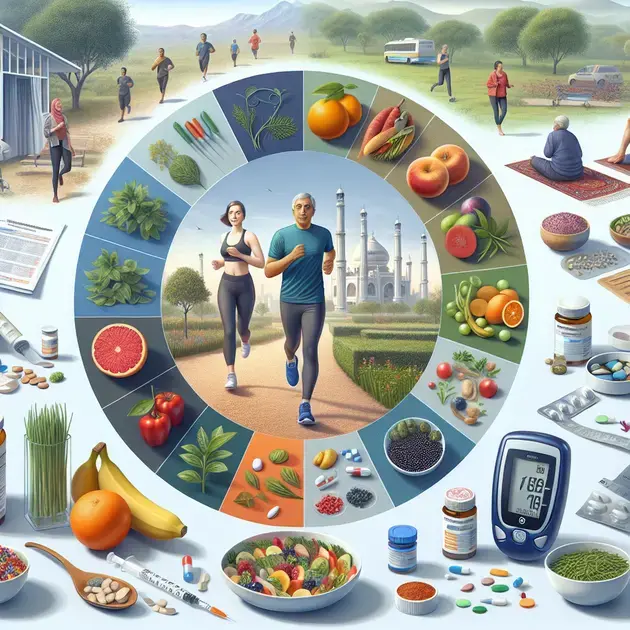
**Lifestyle Changes to Support Type 2 Diabetes Management**
Implementing a Balanced Diet
When managing type 2 diabetes, maintaining a balanced diet is crucial. Consuming a variety of nutrient-dense foods such as fruits, vegetables, whole grains, lean proteins, and healthy fats can help regulate blood sugar levels. It is essential to limit the intake of sugary and processed foods that can cause spikes in blood glucose levels, contributing to diabetes complications and affecting overall health.
Regular Physical Activity
Exercise plays a vital role in managing type 2 diabetes. Engaging in regular physical activity can help improve insulin sensitivity, lower blood sugar levels, and promote weight loss. Both aerobic exercises like walking, jogging, or swimming and strength training can be beneficial. Aim for at least 150 minutes of moderate-intensity exercise per week to support diabetes management.
Stress Management Techniques
High-stress levels can impact blood sugar levels and insulin resistance in individuals with type 2 diabetes. Implementing stress management techniques such as deep breathing, meditation, yoga, or engaging in hobbies can help reduce stress levels. Prioritizing self-care and relaxation is essential for overall well-being and diabetes control.
Adequate Sleep Patterns
Quality sleep is essential for individuals with type 2 diabetes. Poor sleep habits can affect hormone levels related to glucose metabolism, leading to increased blood sugar levels. Establishing a consistent sleep routine, creating a comfortable sleep environment, and aiming for 7-9 hours of sleep per night can support diabetes management and overall health.
**Understanding Medication Options for Type 2 Diabetes**
Oral Medications
For individuals with type 2 diabetes, oral medications such as metformin, sulfonylureas, DPP-4 inhibitors, and SGLT2 inhibitors are commonly prescribed to help manage blood sugar levels. These medications work in various ways to improve insulin sensitivity, reduce glucose production in the liver, and enhance glucose excretion through the urine.
Injectable Medications
In some cases, individuals with type 2 diabetes may require injectable medications such as insulin or GLP-1 receptor agonists to help regulate blood sugar levels. Insulin therapy is often recommended for those who cannot control their diabetes through oral medications alone. GLP-1 receptor agonists stimulate insulin production and decrease glucagon secretion, aiding in blood sugar control.
Combination Therapy
In complex cases of type 2 diabetes, healthcare providers may prescribe combination therapy, which involves using multiple medications to achieve target blood sugar levels. Combining oral medications with injectable agents can provide a more comprehensive approach to diabetes management and may be necessary for individuals with advanced diabetes progression.
Continuous Monitoring
Regardless of the medication option chosen, continuous monitoring of blood sugar levels and adherence to the prescribed treatment plan are essential for effective management of type 2 diabetes. Regular consultations with healthcare providers to assess medication efficacy, adjust dosages if necessary, and address any concerns or side effects are vital in achieving optimal diabetes control.
**Monitoring Blood Sugar Levels Effectively for Type 2 Diabetes Control**
Utilizing Glucometers
Monitoring blood sugar levels at home using a glucometer is a critical aspect of managing type 2 diabetes. Regularly checking blood glucose levels before and after meals, as well as at different times of the day, can provide valuable information for adjusting diet, physical activity, and medication regimens to maintain optimal blood sugar control.
Keeping a Blood Sugar Log
Keeping a detailed log of blood sugar readings, meals consumed, physical activity, medication intake, and any symptoms experienced can help individuals with type 2 diabetes track their progress and identify patterns affecting blood sugar levels. This information can facilitate discussions with healthcare providers to make informed adjustments to the diabetes management plan.
Understanding Target Range
It is essential for individuals with type 2 diabetes to understand their target blood sugar range set by healthcare providers. Monitoring blood sugar levels within the recommended range can lower the risk of diabetes complications and promote overall well-being. Consistent monitoring and adherence to the target range are key components of effective diabetes control.
Consulting Healthcare Providers
If there are significant fluctuations in blood sugar levels or difficulty achieving target ranges, consulting healthcare providers is crucial. Healthcare professionals can offer guidance on adjusting medications, lifestyle modifications, or other interventions to improve blood sugar control and prevent long-term complications associated with type 2 diabetes.
Conclusion
In conclusion, managing type 2 diabetes naturally involves incorporating lifestyle changes such as exercise, herbal supplements, and stress management techniques. Prioritizing physical activity, including exercises like brisk walking or cycling, can help control blood sugar levels and improve insulin sensitivity. Herbal supplements like cinnamon, fenugreek, and bitter melon offer additional support in lowering blood sugar levels. Additionally, stress management practices like meditation and yoga can complement traditional treatments, positively impacting blood sugar control.
Furthermore, a healthy diet is crucial in controlling type 2 diabetes. Focusing on whole foods, monitoring carbohydrate intake, and incorporating fiber-rich foods can help regulate blood sugar levels effectively. Avoiding sugary beverages and processed foods while educating oneself on portion control and mindful eating practices are essential steps in managing diabetes in the long term.
Lifestyle changes like implementing a balanced diet, regular physical activity, stress management techniques, and adequate sleep patterns play key roles in supporting type 2 diabetes management. Combining these approaches with medication options like oral medications, injectable medications, and combination therapy, along with continuous monitoring of blood sugar levels, is vital for effective diabetes control.
Monitoring blood sugar levels effectively through the use of glucometers, keeping a detailed blood sugar log, understanding target ranges, and consulting healthcare providers when needed are crucial steps in maintaining optimal blood sugar control and preventing long-term complications associated with type 2 diabetes. By incorporating these lifestyle changes, medication options, and monitoring techniques, individuals can better manage their diabetes and improve their overall well-being.

