
Unveiling the Key to Controlling Diabetes: Your Diet
Managing diabetes is a delicate balancing act that starts with your diet. Discover the essential foods and eating habits crucial for keeping your blood sugar levels in check. Empower yourself with the knowledge to take control of your health and well-being through mindful and strategic dietary choices.
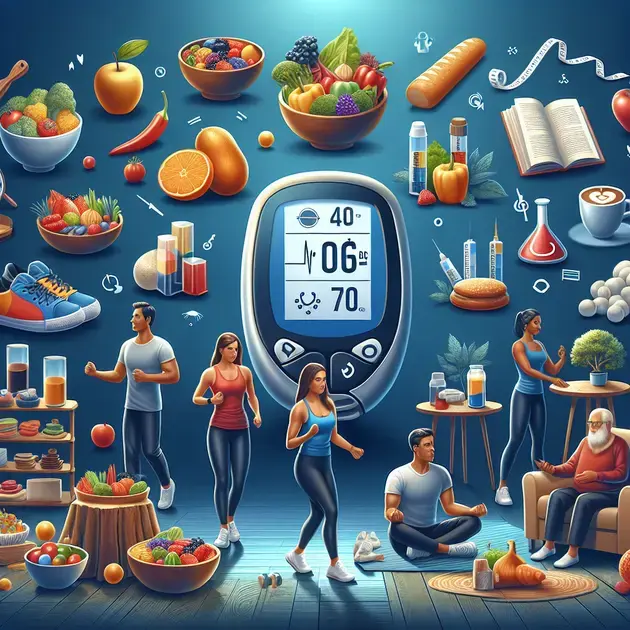
Foods to Include in Your Diabetes Diet Plan
When it comes to managing diabetes, a balanced diet is essential. Incorporating certain foods into your meal plan can help keep your blood sugar levels stable. To create a diabetes-friendly diet, consider including plenty of fresh fruits and vegetables, whole grains, lean proteins like fish and chicken, and healthy fats such as avocado and nuts. Websites like Diabetes.org offer valuable resources and recipes for crafting a well-rounded diabetes diet.
Additionally, focusing on low glycemic index foods can be beneficial for individuals with diabetes. Foods like quinoa, sweet potatoes, and lentils release glucose slowly, preventing spikes in blood sugar. Apps like MyNetDiary and MySugr provide tools to track your food intake and help you monitor your blood sugar levels conveniently on the go.
Don’t forget about hydration! Drinking water and herbal teas throughout the day is crucial for overall health and can aid in blood sugar management. Websites such as Diabetes.co.uk offer insights into the importance of staying hydrated for individuals with diabetes.
Planning your meals ahead of time and batch cooking can also make it easier to stick to a diabetes-friendly diet. Consider meal prep services like PlateJoy or websites like Diabetic Foodie for recipes and meal planning tips catered to those with diabetes.
Remember, consulting with a dietitian or healthcare provider is always recommended when making significant changes to your diet, especially when managing a condition like diabetes.
Smart Snack Choices for Managing Diabetes
For individuals with diabetes, making smart snack choices is crucial to keeping blood sugar levels stable throughout the day. Opt for snacks that combine protein and fiber to help maintain energy levels and prevent sudden spikes in blood sugar. Websites like Everyday Health provide a variety of diabetic-friendly snack ideas.
Healthy snack options for managing diabetes include nuts, seeds, Greek yogurt, hummus with raw vegetables, or whole fruit paired with a small portion of cheese. These snacks offer a good balance of nutrients and are convenient choices for on-the-go eating. Apps like Snack Safely can help you discover safe snack options specifically tailored to individuals with diabetes.
Avoiding sugary snacks and processed foods is essential when managing diabetes. These types of snacks can cause blood sugar levels to spike quickly and lead to energy crashes. Websites like Diabetes Self-Management offer guidance on making healthy snack choices for individuals with diabetes.
Whether you’re at home or out and about, having a selection of smart snacks on hand can help you resist the temptation of unhealthy options. Consider pre-portioning snacks into containers to make them easy to grab when hunger strikes. Websites like Diabetes.org provide snack ideas and tips for managing snacking with diabetes.
Remember, listening to your body’s hunger cues and choosing nutrient-dense snacks can help you maintain optimal blood sugar levels and overall well-being when living with diabetes.
Meal Prep Tips for a Healthy Diabetic Diet
Meal prepping is a great way to ensure you have healthy and diabetes-friendly meals readily available throughout the week. Start by planning your meals and snacks ahead of time, incorporating a balance of carbohydrates, proteins, and fats into each meal. Websites like Diabetes Food Hub offer meal planning tools and resources tailored to individuals with diabetes.
Consider investing in portion-controlled containers to help with meal prepping and ensure you’re not overeating. Apps like Mealime and Prepear provide customizable meal plans and recipes that can be adapted to suit your dietary needs as someone managing diabetes.
When meal prepping, focus on preparing meals that are easy to reheat and enjoy throughout the week. Choose recipes that freeze well and can be portioned out into individual servings for quick and convenient meals. Websites like Diabrotica offer meal prep guides specifically designed for individuals with diabetes.
Batch cooking staples like lean proteins, whole grains, and roasted vegetables can form the base of many different meals throughout the week. Having these components prepped and ready to go can save you time and ensure you always have a healthy option on hand. Apps like Plan to Eat and Paprika can help you organize your meal prep efforts and stay on track with your diabetes management goals.
Remember, meal prepping doesn’t have to be complicated. Start small, experiment with different recipes, and find a routine that works best for your schedule and dietary preferences when following a healthy diabetic diet plan.

Balanced Exercise Routine for Better Blood Sugar Control
When managing diabetes, including a balanced exercise routine in your daily schedule can significantly improve your blood sugar control. Regular physical activity helps your body utilize glucose efficiently, reducing the risk of high blood sugar levels. By incorporating various types of exercises, such as aerobic activities, strength training, and flexibility exercises, you can maintain a healthy blood sugar level throughout the day. Consistency is key when it comes to exercise, so aim for at least 30 minutes of moderate-intensity activity most days of the week.
For individuals with diabetes, it is crucial to monitor blood sugar levels before and after exercise to understand how your body responds to different types of physical activity. Keep a record of your glucose readings to identify patterns and make necessary adjustments to your exercise routine. Additionally, it’s essential to stay hydrated during exercise and have quick-acting carbohydrates on hand in case of low blood sugar episodes.
Incorporating regular exercise into your diabetes management plan can have numerous benefits beyond blood sugar control. Physical activity can help with weight management, reduce insulin resistance, lower the risk of heart disease, and improve overall well-being. Remember to consult with your healthcare provider before starting a new exercise program to ensure it aligns with your specific health needs and fitness level.
Overall, a balanced exercise routine tailored to your individual needs can play a vital role in maintaining better blood sugar control and enhancing your overall health and well-being. Stay consistent, monitor your glucose levels, and enjoy the many benefits that regular physical activity can bring to your diabetes care routine.
Understanding the Importance of Regular Blood Glucose Monitoring
Regular blood glucose monitoring is a fundamental aspect of diabetes management, allowing individuals to track their blood sugar levels and make informed decisions about their care. By testing your blood sugar multiple times a day, you can assess how food, physical activity, medications, and other factors impact your glucose levels throughout the day. Understanding these patterns can help you adjust your treatment plan accordingly and maintain optimal blood sugar control.
For individuals with diabetes, measuring blood glucose levels provides valuable insights into how the body processes glucose and utilizes insulin. By staying proactive with monitoring, you can detect and address any fluctuations in blood sugar promptly, reducing the risk of hyperglycemia or hypoglycemia. Consistent monitoring also empowers you to make lifestyle choices that support stable blood sugar levels and overall well-being.
On a practical level, regular blood glucose monitoring involves using a blood glucose meter to obtain a small blood sample, typically from a fingertip. The meter then displays your current blood sugar level, allowing you to make informed decisions about food intake, insulin dosages, and other aspects of your diabetes management. Work closely with your healthcare team to establish a monitoring routine that fits your lifestyle and health needs.
By prioritizing regular blood glucose monitoring as part of your diabetes care routine, you take an active role in managing your condition and optimizing your health outcomes. Embrace the process of self-monitoring as a tool for empowerment and self-care, enabling you to make proactive choices that support stable blood sugar control and overall well-being.
Incorporating Stress Management Techniques into Your Diabetes Care Routine
Stress management is a critical component of diabetes care, as stress can impact blood sugar levels and overall health. Incorporating effective stress management techniques into your daily routine can help you better manage your diabetes and improve your quality of life. Chronic stress can lead to elevated blood glucose levels, making it essential to identify and address stressors proactively.
Deep breathing exercises, meditation, yoga, and mindfulness practices are valuable tools for reducing stress and promoting relaxation. These techniques can help lower cortisol levels, the stress hormone that can interfere with insulin function and contribute to blood sugar fluctuations. Regular practice of stress management techniques can enhance your resilience to stress and improve your ability to cope with daily challenges.
Physical activity, including moderate exercise and leisure activities, can also serve as effective stress relievers. Engaging in regular physical activity not only benefits blood sugar control but also promotes mental well-being by releasing endorphins, the body’s natural stress-fighting chemicals. Make time for activities that bring you joy and relaxation, whether it’s a brisk walk outdoors, a yoga class, or time spent in nature.
In addition to individual practices, seeking support from loved ones, joining a support group, or working with a mental health professional can provide valuable resources for managing stress related to diabetes. Remember that stress management is an ongoing process, and finding the techniques that work best for you may involve some trial and error. By prioritizing stress management as part of your diabetes care routine, you can enhance your overall well-being and achieve better blood sugar control.
**Conclusion**
In conclusion, managing diabetes effectively revolves around a balanced diet, smart snack choices, meal prep tips, a balanced exercise routine, regular blood glucose monitoring, and stress management techniques. By incorporating fresh fruits, vegetables, whole grains, lean proteins, and healthy fats into your diet, you can stabilize blood sugar levels. Opting for protein and fiber-rich snacks while avoiding sugary treats can help maintain energy levels throughout the day. Meal prepping with portion control and batch cooking ensures healthy meals are readily available. Regular exercise, including aerobic, strength training, and flexibility exercises, aids in blood sugar control and overall well-being. Monitoring blood glucose levels allows for informed decision-making and adjustments to your diabetes management plan. Stress management techniques like deep breathing, meditation, and physical activity help reduce stress and promote relaxation, ultimately benefiting blood sugar levels and quality of life.
By prioritizing these aspects of diabetes management and integrating them into your daily routine, you can enhance your overall health, well-being, and blood sugar control. Remember to consult with healthcare professionals, listen to your body’s cues, and stay consistent in your efforts to optimize your diabetes care. Empower yourself through proactive choices and self-care practices to achieve a healthier and more fulfilling life while managing diabetes effectively.

