
Do you ever wonder how the muscles around your knees support and protect your joints? Understanding the role of these muscles is vital for maintaining knee health and preventing injuries. Let’s dive into the fascinating world of knee muscles and discover how they work harmoniously to provide stability and mobility to your joints.
Whether you’re an athlete, a fitness enthusiast, or someone curious about anatomy, exploring the intricate mechanisms of knee muscles will shed light on the incredible way our bodies are designed to function. Join us on this journey to uncover the secrets behind strong and resilient knee joints!
The Importance of Strong Knee Muscles
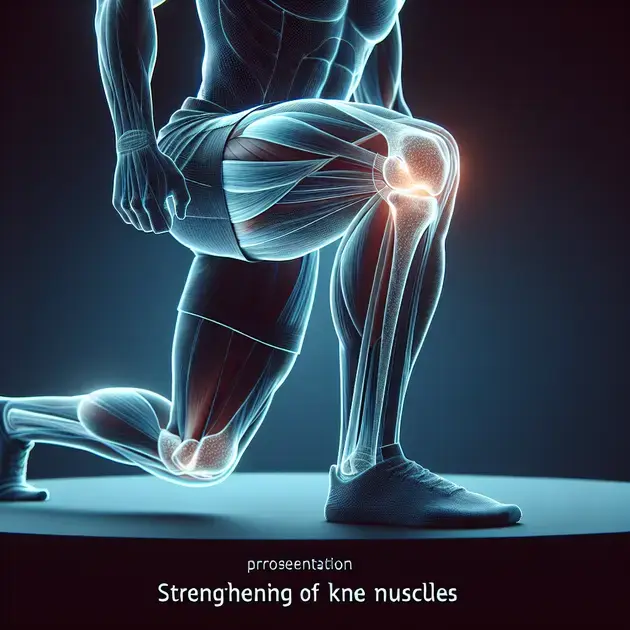
Strong knee muscles are essential for overall joint stability and reducing the risk of injuries during physical activities. The quadriceps, hamstrings, and surrounding muscles play a crucial role in supporting the knee joint and maintaining proper alignment. Weak knee muscles can lead to imbalances, putting extra strain on the knees and increasing the likelihood of pain and injuries.
To strengthen your knee muscles, incorporating exercises that target the quadriceps, hamstrings, and glutes is key. Squats, lunges, leg presses, and hamstring curls are effective exercises that can help build strength and endurance in the knee muscles. Additionally, activities like cycling, swimming, and yoga can also contribute to improving knee strength and flexibility.
Tracking your progress and gradually increasing the intensity of your workouts is important for seeing improvements in your knee muscle strength. Using fitness apps like MyFitnessPal or Nike Training Club can help you plan and track your workouts effectively. Consistency and proper form are crucial for preventing injuries and maximizing the benefits of your training.
Remember to listen to your body and avoid overtraining, as this can lead to muscle fatigue and potential injuries. Incorporating rest days into your workout routine is essential for muscle recovery and overall performance. In case of persistent knee pain or discomfort, consulting a healthcare professional or a physical therapist is recommended to address any underlying issues.
Understanding the Role of Quadriceps and Hamstrings
The quadriceps and hamstrings are two major muscle groups that play a critical role in knee function and movement. The quadriceps, located at the front of the thigh, are responsible for extending the knee and providing stability during activities like walking, running, and jumping. On the other hand, the hamstrings, located at the back of the thigh, help flex the knee and support movements like bending and squatting.
Strengthening both the quadriceps and hamstrings is essential for maintaining a balanced muscle development around the knee joint. Imbalances between these muscle groups can lead to poor biomechanics and increase the risk of knee injuries. Incorporating exercises like squats, lunges, leg extensions, and hamstring curls into your workout routine can help target and strengthen these muscles effectively.
Understanding the synergy between the quadriceps and hamstrings is crucial for optimizing knee function and preventing imbalances that can lead to pain and dysfunction. Engaging in a well-rounded workout program that targets all muscle groups around the knee can help improve overall joint stability and enhance athletic performance.
Utilizing fitness resources like Fitbod or JEFIT can provide you with tailored exercise programs that focus on strengthening the quadriceps and hamstrings. These apps can guide you through proper form and technique, ensuring a safe and effective workout that targets the specific muscles essential for knee strength and stability.
Tips for Strengthening Your Knee Muscles
Incorporating a variety of exercises that target different muscle groups around the knee can help prevent overuse injuries and promote overall strength and flexibility. Including activities like yoga, Pilates, and resistance training in your workout routine can provide a well-rounded approach to strengthening your knee muscles and improving joint stability.
Focusing on proper alignment and technique during exercises is crucial for avoiding unnecessary strain on the knees and reducing the risk of injuries. Engaging in low-impact activities like swimming or cycling can be beneficial for individuals looking to strengthen their knee muscles without putting too much stress on the joints.
Using equipment like resistance bands or stability balls can add variety to your workouts and help target specific areas of weakness in the knee muscles. These tools can be easily incorporated into your routine at home or at the gym, providing versatility in your training and challenging your muscles in different ways.
Listening to your body and adjusting your workout intensity based on your fitness level and comfort is key to avoiding overexertion and injuries. Gradually progressing in your training, either by increasing weights or repetitions, can help stimulate muscle growth and improve your overall knee strength over time.
Consulting with a fitness professional or a physical therapist can provide you with personalized recommendations and guidance on how to best strengthen your knee muscles based on your individual needs and goals. Seeking expert advice can help prevent injuries and ensure that your training is tailored to support your knee health and performance.

Three Common Causes of Knee Muscle Weakness
When it comes to knee muscles, weakness can stem from various factors. One common cause is lack of exercise. Sedentary lifestyles contribute to muscle atrophy, including knee muscles, leading to weakness and instability. Regular physical activity that targets knee muscles is essential to maintaining strength and functionality.
Another prevalent cause of knee muscle weakness is injury. Trauma to the knee, such as ligament tears or strains, can result in muscle weakness due to limited mobility and decreased usage. Proper rehabilitation post-injury is crucial to rebuilding strength in the knee muscles and preventing long-term weakness.
Additionally, nutritional deficiencies can impact the strength of knee muscles. Inadequate intake of essential nutrients like protein, vitamins, and minerals hinders muscle growth and repair, affecting the overall health and strength of the knee muscles. A balanced diet rich in nutrients is key to supporting muscle function.
To address knee muscle weakness effectively, it is crucial to engage in targeted exercises that specifically strengthen the muscles surrounding the knee joint. Focusing on exercises that improve flexibility, endurance, and resistance can help combat weakness and enhance overall knee function.
Regularly consulting with a healthcare professional or physical therapist can also provide valuable insights and personalized recommendations for addressing knee muscle weakness through tailored exercise programs and lifestyle modifications.
The Connection Between Knee Stability and Muscle Strength
Understanding the relationship between knee stability and muscle strength is essential for maintaining optimal joint function. Knee muscles play a crucial role in providing stability and support to the knee joint, helping to prevent injuries and enhance overall performance.
Strong knee muscles contribute to joint stability by effectively absorbing impact and pressure during physical activities. Weakness in these muscles can lead to compromised stability, increasing the risk of knee injuries, such as sprains or tears. Therefore, improving muscle strength is paramount for enhancing knee stability.
Incorporating resistance training into your fitness routine can significantly benefit knee muscles. Exercises like squats, lunges, and leg presses target the quadriceps, hamstrings, and calf muscles, promoting strength and stability in the knees. Consistent training and progressively increasing resistance levels can gradually enhance muscle strength and joint stability.
Furthermore, balance and proprioception exercises are vital for improving knee stability. These exercises help train the body to maintain proper alignment and control, reducing the risk of falls and injuries. By incorporating a variety of strengthening and stability-focused exercises, you can effectively enhance the connection between knee stability and muscle strength.
Incorporating Plyometric Exercises for Stronger Knees
Plyometric exercises are dynamic movements that involve quick, explosive contractions of muscles, making them an excellent choice for strengthening knee muscles. By incorporating plyometrics into your workout routine, you can enhance power, agility, and strength in the lower body, including the knees.
Exercises like box jumps, jump squats, and bounding drills engage the knee muscles in rapid, forceful movements, stimulating muscle fibers and promoting strength development. These high-intensity exercises help improve muscle coordination and responsiveness, leading to enhanced performance and reduced risk of injury.
When integrating plyometric exercises into your training regimen, it is essential to start gradually and focus on proper form and technique. Gradually increase the intensity and volume of plyometrics over time to allow your muscles to adapt and strengthen effectively.
Consulting with a fitness professional or coach can help you design a tailored plyometric training program that suits your fitness level and goals. By incorporating plyometric exercises strategically and progressively, you can improve the strength and resilience of your knee muscles, promoting joint health and overall athletic performance.
**
Conclusion
**
In conclusion, having strong knee muscles is crucial for maintaining overall joint stability and reducing the risk of injuries during physical activities. The quadriceps, hamstrings, and surrounding muscles play a vital role in supporting the knee joint and keeping proper alignment. By incorporating exercises like squats, lunges, and leg presses that target these muscle groups, individuals can effectively build strength and endurance in their knees. Additionally, activities such as cycling, swimming, and yoga can contribute to enhancing knee strength and flexibility.
Understanding the synergy between the quadriceps and hamstrings is essential for optimizing knee function and preventing imbalances that may lead to pain and dysfunction. Strengthening these muscle groups through exercises like leg extensions and hamstring curls will help maintain a balanced muscle development around the knee joint, improving overall joint stability and athletic performance.
To combat knee muscle weakness, individuals should engage in targeted exercises that strengthen the muscles surrounding the knee joint while focusing on flexibility, endurance, and resistance. Seeking guidance from healthcare professionals or physical therapists to develop tailored exercise programs and lifestyle modifications can address underlying issues causing knee muscle weakness effectively.
The connection between knee stability and muscle strength is significant for maintaining optimal joint function and preventing injuries. Incorporating resistance training, balance exercises, and plyometrics into workout routines can enhance knee muscle strength, stability, and resilience, promoting overall joint health and athletic performance. By incorporating a well-rounded approach to knee muscle strengthening, individuals can improve their overall knee function and reduce the risk of injuries, ultimately supporting their long-term musculoskeletal health.

