
Have you ever wondered how to tell if you have high blood pressure?
Knowing the signs and symptoms of high blood pressure is crucial for maintaining your health. Discover the key indicators and when to seek medical advice to stay on top of your well-being.
**Signs and Symptoms of High Blood Pressure**
High blood pressure, or hypertension, often has no symptoms, earning it the nickname “silent killer.” However, some signs may include severe headaches, fatigue, vision problems, chest pain, difficulty breathing, and irregular heartbeat. If you experience any of these symptoms, it’s crucial to consult a healthcare professional immediately. To learn more about the signs and symptoms of high blood pressure, visit a trusted medical website like Healthline.
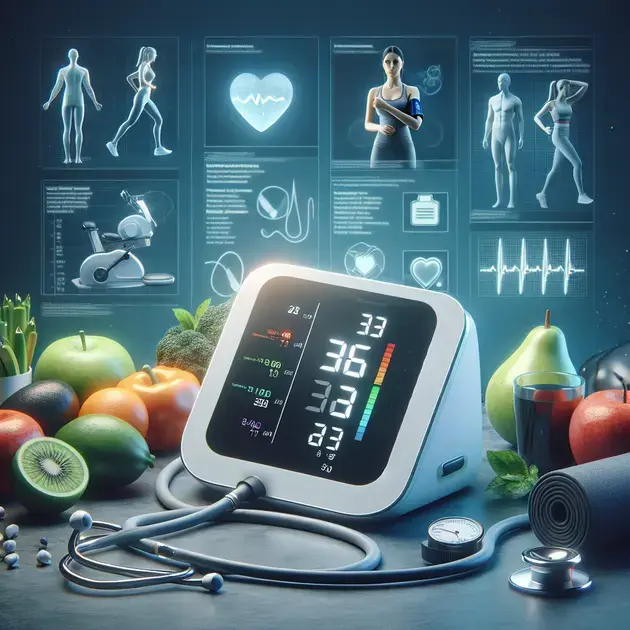
Regular monitoring of your blood pressure is essential to manage hypertension effectively. Investing in a reliable blood pressure monitor for home use can help you track your levels regularly. Omron, a renowned healthcare company, offers user-friendly digital blood pressure monitors that provide accurate readings. By checking your blood pressure at home frequently, you can detect any changes early and take necessary steps to control them.
Monitoring your blood pressure at pharmacies or clinics is another option. Many pharmacies offer free blood pressure checks using automated machines. CVS Pharmacy, for instance, provides this service, allowing you to check your blood pressure conveniently whenever needed. It’s recommended to consult with a healthcare provider if you have concerns about your blood pressure readings.
Mobile apps are also available to help you monitor your blood pressure on the go. Apps like Blood Pressure Monitor – Family Lite allow you to log and track your readings easily. Simply input your blood pressure readings into the app, and it will generate reports and trends for your reference. These apps can be a useful tool in managing your hypertension effectively.
Regular doctor visits are crucial for monitoring your blood pressure, especially if you have hypertension. Your healthcare provider can perform comprehensive check-ups, evaluate your condition, and adjust your treatment plan accordingly. They may recommend lifestyle changes, medication adjustments, or further tests to ensure your blood pressure is well-controlled. By following your doctor’s advice and attending regular check-ups, you can effectively manage high blood pressure and reduce the risk of complications.
**Understanding the Risk Factors**
Several risk factors can contribute to the development of high blood pressure. These include a family history of hypertension, a sedentary lifestyle, poor dietary choices, smoking, excessive alcohol consumption, obesity, and high stress levels. Understanding these risk factors is essential in preventing and managing hypertension effectively. To learn more about the risk factors associated with high blood pressure, consult reputable sources like the American Heart Association.
Eating a balanced diet rich in fruits, vegetables, lean proteins, and whole grains can help lower your risk of developing high blood pressure. Avoiding processed foods, high-sodium snacks, sugary beverages, and excessive caffeine intake is also recommended. The DASH (Dietary Approaches to Stop Hypertension) diet is often recommended for individuals with hypertension as it focuses on reducing sodium intake and promoting a heart-healthy eating pattern.
Regular physical activity is crucial for maintaining healthy blood pressure levels. Engaging in aerobic exercises like walking, running, cycling, or swimming for at least 30 minutes a day can help lower your blood pressure and improve overall cardiovascular health. Fitness trackers like Fitbit can help you track your daily activity levels and set achievable fitness goals to stay active and healthy.
Stress management techniques such as meditation, deep breathing exercises, yoga, or mindfulness practices can help reduce stress levels and lower blood pressure. Prioritizing self-care, getting an adequate amount of sleep, and seeking support from loved ones can also contribute to better stress management. Apps like Calm and Headspace offer guided meditation sessions and relaxation techniques to help you unwind and de-stress.
Regularly monitoring your blood pressure, understanding the risk factors, and making positive lifestyle changes are key steps in managing and preventing high blood pressure. By taking a proactive approach to your health and well-being, you can reduce your risk of hypertension and its associated complications.
**Tips for Monitoring Your Blood Pressure**
Tracking your blood pressure at home is easy with the right tools. Investing in a reliable blood pressure monitor like the Omron Platinum Blood Pressure Monitor can provide accurate readings and detailed reports. This monitor features advanced accuracy technology, multi-color indicator lights for easy interpretation, and can store up to 200 readings for two users. With the Omron Connect app, you can sync your readings to your smartphone for better monitoring and analysis.
Regularly check your blood pressure at the same time each day to establish a consistent monitoring routine. Choose a quiet and comfortable place to relax before taking your readings. Sit upright with your back supported, feet flat on the floor, and arm supported at heart level. Avoid caffeine, exercise, and smoking at least 30 minutes before measuring your blood pressure to ensure accurate results.
Keeping a blood pressure log can help you track trends and share valuable information with your healthcare provider. Record your readings, along with the date, time, and any relevant notes such as medication changes or lifestyle adjustments. Apps like Blood Pressure Diary allow you to log and monitor your blood pressure readings conveniently on your smartphone, making it easier to track your progress over time.
If you have an irregular heartbeat or suspect you may have white coat hypertension, consider investing in a blood pressure monitor with additional features. The Withings BPM Core is a smart blood pressure monitor that not only measures your blood pressure but also detects irregular heartbeats and provides an ECG recording. This advanced device can offer valuable insights into your cardiovascular health and help you monitor your condition more effectively.
Consulting with your healthcare provider regularly is essential for proper blood pressure monitoring. Share your home blood pressure readings with your doctor during check-ups to ensure they align with clinic measurements. Your healthcare provider can review your readings, make treatment recommendations, and adjust your management plan as needed to keep your blood pressure under control.

Signs and Symptoms of High Blood Pressure
High blood pressure, also known as hypertension, commonly presents with various signs and symptoms that individuals should be aware of. One common indicator is frequent headaches, especially at the back of the head. Nosebleeds can also be a sign of high blood pressure. Additionally, experiencing shortness of breath, chest pain, and vision problems, such as blurry vision, can indicate elevated blood pressure levels.
Some individuals might notice persistent fatigue and confusion, which could be attributed to high blood pressure. Dizziness and irregular heartbeat are other symptoms that should not be ignored. Furthermore, swelling in the legs, ankles, or feet can be a visible sign of hypertension. Understanding these symptoms is crucial in diagnosing and managing high blood pressure effectively.
Recognizing the signs and symptoms of high blood pressure is vital in taking proactive measures to address this condition. If you experience any of these symptoms frequently, consult a healthcare professional to assess your blood pressure levels promptly.
Understanding the Risk Factors
Various risk factors increase the likelihood of developing high blood pressure. Age plays a significant role, as blood pressure tends to rise as individuals get older. Family history also influences the risk, as genetics can predispose individuals to hypertension. Additionally, individuals with unhealthy lifestyle habits, such as poor dietary choices, lack of physical activity, and smoking, are at higher risk of developing high blood pressure.
Other risk factors include excessive salt intake, alcohol consumption, being overweight or obese, and underlying health conditions like diabetes or kidney disease. Stress and lack of sleep can also contribute to elevated blood pressure levels. Understanding these risk factors is essential in implementing preventive measures and adopting a healthier lifestyle to minimize the risk of hypertension.
By recognizing and addressing these risk factors, individuals can significantly reduce the likelihood of developing high blood pressure. Monitoring these factors regularly and making necessary lifestyle changes can positively impact overall health and well-being.
Tips for Monitoring Your Blood Pressure
Monitoring your blood pressure regularly is crucial for early detection and management of hypertension. Investing in a digital blood pressure monitor for home use can enable you to track your blood pressure conveniently. Ensure proper positioning and relaxation before taking measurements to obtain accurate readings.
It’s essential to maintain a healthy lifestyle by following a balanced diet low in sodium, engaging in regular exercise, managing stress effectively, and avoiding tobacco and excessive alcohol consumption. Keeping a log of your blood pressure readings can help you and your healthcare provider track changes over time and adjust treatment plans accordingly.
Regularly check your blood pressure, especially if you have risk factors for hypertension. Consult your healthcare provider if you notice any significant changes in your blood pressure readings or experience symptoms associated with high blood pressure. By actively monitoring your blood pressure and adopting a proactive approach to your health, you can better manage hypertension and reduce the risk of complications.
**Conclusion**
Understanding the signs, symptoms, and risk factors of high blood pressure is crucial for effective prevention and management. High blood pressure, often termed the “silent killer,” can manifest through various indicators like headaches, fatigue, vision problems, and irregular heartbeat. Monitoring blood pressure regularly, whether at home using advanced devices like the Omron monitor or at pharmacies, empowers individuals to detect changes early and take necessary steps to control them.
Furthermore, recognizing risk factors such as family history, sedentary lifestyle, poor diet, smoking, and stress is essential in minimizing the likelihood of developing hypertension. A balanced diet, regular physical activity, stress management techniques, and adequate sleep play vital roles in maintaining healthy blood pressure levels. By incorporating these lifestyle changes and utilizing tools like fitness trackers and meditation apps, individuals can proactively manage their hypertension and enhance overall well-being.
Implementing tips for monitoring blood pressure, including maintaining a consistent routine, recording readings, and seeking professional guidance if needed, fosters a proactive approach to health. Investing in smart blood pressure monitors like the Withings BPM Core can offer comprehensive insights into cardiovascular health, enabling individuals to monitor their condition effectively. By prioritizing regular check-ups and open communication with healthcare providers, individuals can stay on top of their blood pressure management and reduce the risk of complications.

