
Dive into the World of Dementia-Causing Diseases
Understanding the root causes of dementia is crucial for early detection and effective management. In this comprehensive guide, we explore the various diseases known to lead to dementia. From Alzheimer’s and vascular dementia to Lewy body dementia and beyond, discover the key players behind this complex neurological condition.
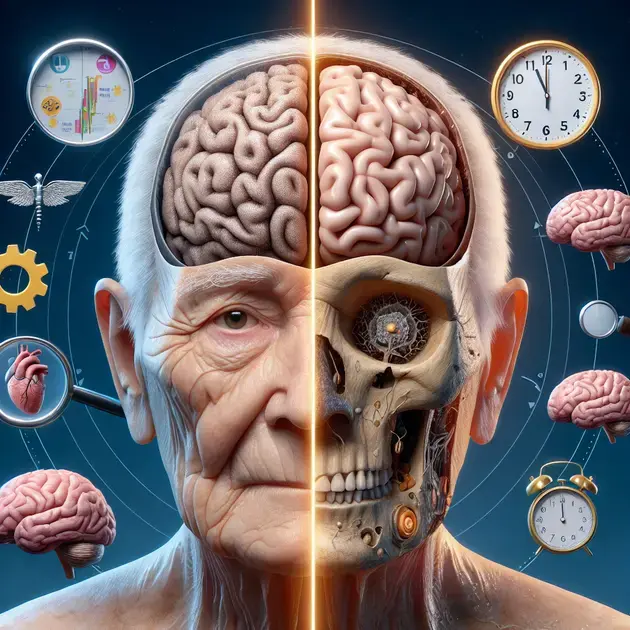
Types of Diseases Linked to Dementia
Dementia can be caused by various diseases and conditions. Alzheimer’s disease is the most common cause of dementia, accounting for 60-80% of cases. Vascular dementia, caused by reduced blood flow to the brain, is the second most common type. Other diseases linked to dementia include Lewy body dementia, frontotemporal dementia, and Parkinson’s disease. To learn more about the different types of diseases linked to dementia, visit reliable medical websites such as Mayo Clinic (www.mayoclinic.org) or the Alzheimer’s Association (www.alz.org).
It is important to understand these diseases to recognize the early signs of dementia and seek appropriate medical care. By familiarizing yourself with the symptoms and risk factors associated with each type of disease linked to dementia, you can better prepare and manage the condition. Support groups and online forums can also be valuable resources for individuals and caregivers facing dementia-related challenges. Apps like Alzheimer’s Caregiver Buddy or Dementia Guide provide helpful information and tools for those dealing with dementia.
Early intervention and proper management of the underlying diseases are essential in slowing down the progression of dementia. Seeking advice from healthcare professionals and staying informed about the latest treatments and research developments can help improve the quality of life for individuals living with dementia. Reliable sources like the National Institute on Aging (www.nia.nih.gov) offer up-to-date information on dementia-related diseases and their impact on cognitive function.
Understanding the specific disease causing dementia is crucial in tailoring a personalized care plan that addresses the individual’s needs and preferences. By identifying the root cause of dementia, healthcare providers can recommend appropriate treatments and therapies to manage symptoms and enhance overall well-being. Online platforms like Dementia Advisor provide personalized advice and support for individuals and families navigating the challenges of dementia.
In conclusion, exploring the various diseases linked to dementia is a crucial step in raising awareness and promoting early detection and intervention. By educating yourself about the different types of dementia-related diseases and accessing reputable sources of information, you can empower yourself to make informed decisions and take proactive measures in addressing dementia and its associated challenges.
Common Medical Conditions Associated with Dementia
Aside from specific diseases, several common medical conditions are associated with dementia. These conditions include high blood pressure, diabetes, and heart disease, which can increase the risk of developing cognitive impairment and dementia. Understanding the link between these medical conditions and dementia is essential in implementing preventive measures and lifestyle changes to mitigate the risk.
Regular medical check-ups and screenings can help identify and manage underlying health conditions that may contribute to the development of dementia. Monitoring blood pressure, blood sugar levels, and cholesterol levels are important steps in maintaining overall health and reducing the impact of medical conditions on cognitive function. Health apps such as MyTherapy or Health Tracker can assist individuals in tracking their vital signs and managing their medical conditions effectively.
Incorporating a healthy diet, regular exercise, and stress management techniques are key factors in reducing the risk of common medical conditions associated with dementia. Lifestyle modifications such as quitting smoking, maintaining a healthy weight, and staying physically active play a significant role in preserving brain health and cognitive function. Websites like the American Heart Association (www.heart.org) offer valuable resources on heart-healthy living and disease prevention strategies.
Educating oneself about the effects of common medical conditions on brain health and cognitive performance can lead to proactive health choices and preventive actions. Knowledge of the relationship between conditions like obesity, smoking, and poor nutrition with dementia can empower individuals to adopt healthier habits and reduce their susceptibility to cognitive decline. Apps like BrainHQ or Lumosity offer brain training exercises and cognitive challenges to support brain health and enhance cognitive abilities.
By addressing common medical conditions associated with dementia through a holistic approach that encompasses physical, mental, and emotional well-being, individuals can optimize their brain health and reduce the risk of cognitive decline. Engaging in activities that stimulate the mind, such as puzzles, reading, or learning new skills, can also contribute to cognitive reserve and resilience against neurodegenerative diseases. Online platforms like BrainWorks provide cognitive training programs and resources to enhance brain function and delay cognitive decline.
Understanding the Causes of Dementia
Dementia can have various causes, including neurodegenerative disorders, vascular issues, and traumatic brain injuries. Neurodegenerative disorders like Alzheimer’s disease and Parkinson’s disease lead to progressive damage of brain cells, resulting in cognitive decline and memory impairment. Vascular issues such as strokes or small vessel disease can disrupt blood flow to the brain, leading to vascular dementia.
Environmental factors, genetics, and lifestyle choices also play a role in the development of dementia. Exposure to toxins, head injuries, and certain infections can increase the risk of cognitive decline and dementia. Genetic predispositions, such as carrying the APOE e4 gene, can also influence the likelihood of developing dementia later in life. Understanding the interplay of genetic and environmental factors in dementia causation is essential in implementing preventive strategies.
Educating oneself about the multifactorial nature of dementia causes can help individuals make informed decisions about their health and well-being. It is crucial to stay informed about the latest research findings and advancements in dementia research to understand the complex mechanisms underlying the disease. Websites like the Alzheimer’s Drug Discovery Foundation (www.alzdiscovery.org) provide resources on current research and clinical trials investigating the causes of dementia and potential treatment interventions.
Early detection and diagnosis of the underlying causes of dementia are key in initiating timely interventions and treatments to manage the condition effectively. Seeking medical evaluation and cognitive testing can help identify the root causes of cognitive decline and tailor a personalized care plan for individuals with dementia. Healthcare professionals and specialists in cognitive disorders can offer valuable insights and recommendations for understanding and addressing the causes of dementia.
By delving into the intricate web of factors contributing to dementia causation, individuals can take proactive steps to reduce their risk of developing cognitive impairment and memory loss. Engaging in brain-healthy behaviors, staying mentally active, and adhering to a well-balanced diet are essential strategies in promoting cognitive resilience and brain health. Apps like CogniFit or Elevate provide brain training activities and cognitive assessments to support cognitive function and enhance memory performance.

Chronic Illnesses Related to Dementia
When it comes to diseases that cause dementia, there is a correlation between chronic illnesses and the development of dementia. Conditions such as diabetes, cardiovascular disease, and autoimmune disorders have been linked to an increased risk of developing dementia. Research suggests that the chronic inflammation or vascular issues associated with these illnesses could contribute to the progression of dementia.
Furthermore, individuals with untreated chronic illnesses may experience cognitive decline due to the impact of the disease on brain function. Managing these chronic conditions effectively through lifestyle changes, medication, and regular medical check-ups could potentially help reduce the risk of developing dementia.
It is essential for healthcare providers to monitor and address chronic illnesses promptly in older adults to prevent or delay the onset of dementia. By focusing on the management of these underlying health conditions, individuals may enhance their overall brain health and reduce the likelihood of cognitive impairment associated with dementia in the future.
Therefore, understanding the relationship between chronic illnesses and dementia is crucial for promoting brain health and cognitive function in aging individuals. By addressing and treating chronic conditions effectively, individuals can potentially lower their risk of experiencing dementia-related symptoms as they age.
Genetic Factors Influencing Dementia Development
Genetic factors play a significant role in the development of dementia and are considered one of the leading causes of the condition. Research has highlighted specific genes that can increase a person’s susceptibility to dementia, such as the APOE gene. Individuals with certain variations of the APOE gene are at a higher risk of developing Alzheimer’s disease, a common form of dementia.
Understanding the genetic predisposition to dementia can help healthcare professionals assess an individual’s risk and implement personalized preventive strategies. Genetic testing and counseling can provide valuable insights into an individual’s likelihood of developing dementia based on their genetic profile.
While genetics can influence the development of dementia, lifestyle factors and environmental influences also play a crucial role in determining an individual’s overall risk. By combining genetic information with lifestyle modifications, individuals can take proactive steps to reduce their risk of dementia and promote brain health.
Therefore, acknowledging the impact of genetic factors on dementia development is essential for implementing tailored interventions and preventive measures. By addressing both genetic predispositions and modifiable risk factors, individuals can optimize their brain health and potentially reduce the likelihood of developing dementia.
Neurological Disorders Leading to Dementia
Neurological disorders are another group of diseases that cause dementia, as they can directly impact brain function and cognitive abilities. Conditions such as Parkinson’s disease, Huntington’s disease, and multiple sclerosis are known to be associated with an increased risk of developing dementia over time.
The neurodegenerative processes underlying these disorders can lead to the accumulation of abnormal proteins in the brain, affecting neuronal communication and contributing to cognitive decline. As the disease progresses, individuals may experience memory loss, changes in behavior, and other symptoms characteristic of dementia.
Early detection and management of neurological disorders are crucial for preserving cognitive function and potentially delaying the onset of dementia. Treatment strategies aimed at slowing disease progression and addressing cognitive symptoms can help improve the quality of life for individuals affected by these conditions.
By understanding the link between neurological disorders and dementia, healthcare professionals can provide targeted care and support to individuals at risk. Through a multidisciplinary approach that combines medical treatment, cognitive interventions, and emotional support, individuals with neurological disorders can better manage their symptoms and maintain their cognitive abilities for as long as possible.
**
Conclusion
**
In delving into the intricate web of diseases linked to dementia, we uncover a crucial journey toward early detection, understanding, and intervention. By exploring the various diseases associated with dementia, such as Alzheimer’s, vascular dementia, Lewy body dementia, and Parkinson’s disease, individuals and caregivers can equip themselves with the knowledge needed to recognize early signs and seek appropriate medical care. Websites like Mayo Clinic and the Alzheimer’s Association serve as reliable sources for information on these conditions.
Furthermore, comprehending the impact of common medical conditions like high blood pressure, diabetes, and heart disease on cognitive function is paramount. Embracing preventive measures through regular check-ups, healthy lifestyle choices, and cognitive engagement can significantly reduce the risk of developing dementia. Implementing holistic approaches with a focus on physical, mental, and emotional well-being can optimize brain health and cognitive resilience, as emphasized by platforms like BrainWorks.
Understanding the multifactorial nature of dementia causes, ranging from neurodegenerative disorders to genetic predispositions and lifestyle influences, empowers individuals to make informed health decisions. Early detection, personalized care plans, and staying abreast of research advancements are instrumental in managing cognitive decline effectively. By acknowledging genetic factors, neurological disorders, and chronic illnesses as influencers in dementia development, individuals can proactively address risk factors and promote brain health for a fulfilling future.
In conclusion, this comprehensive exploration underscores the importance of awareness, education, and proactive measures in confronting dementia-related challenges. By merging knowledge with action through informed decision-making, lifestyle modifications, and cognitive engagement, individuals can navigate the complexities of dementia while striving for cognitive well-being and a higher quality of life. Let us embrace this journey with resilience, empathy, and a commitment to brain health, ensuring a brighter future for all facing dementia-related journeys.
**End of Content**

