
Unraveling the Difference: Alzheimer’s vs. Dementia
Are Alzheimer’s and dementia the same thing? Despite common misconceptions, they are not interchangeable terms. Understanding the distinctions between these two conditions is crucial for both patients and caregivers. Let’s delve into the nuances of Alzheimer’s and dementia to shed light on their unique characteristics and impact on individuals.
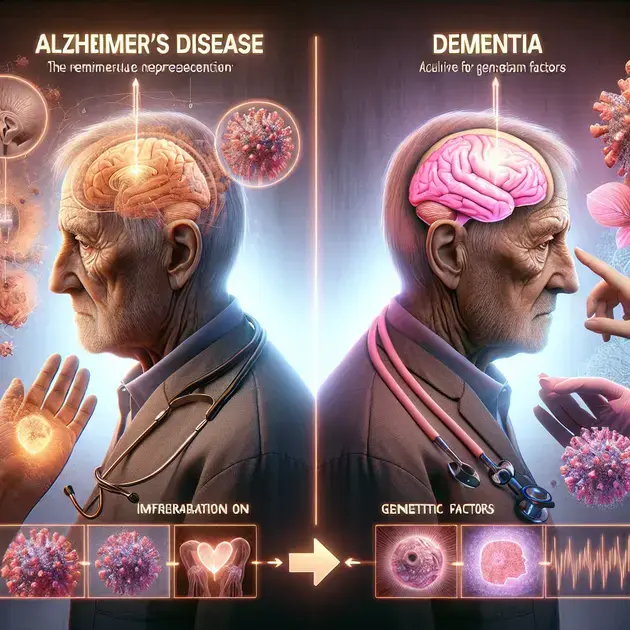
Alzheimer’s vs Dementia: Understanding the Variances
Alzheimer’s disease and dementia are often used interchangeably, but they are different conditions. Alzheimer’s is a specific type of dementia that causes memory loss and cognitive decline. Dementia, on the other hand, is a general term for a decline in mental ability that is severe enough to interfere with daily life. To understand the variances between the two, it’s important to delve deeper into their specific characteristics and how they manifest.
One way to distinguish between Alzheimer’s and dementia is by looking at their symptoms. Alzheimer’s symptoms typically include memory loss that disrupts daily life, challenges in planning or solving problems, difficulty completing familiar tasks, confusion with time or place, and changes in mood and personality. In contrast, dementia symptoms may also include memory loss, but they can vary depending on the underlying cause of dementia, such as vascular dementia or Lewy body dementia.
It’s essential to consult with healthcare professionals for an accurate diagnosis. Memory screenings or cognitive assessments can help determine if the symptoms align more with Alzheimer’s or another form of dementia. Websites like the Alzheimer’s Association or the Dementia Alliance International offer resources to locate memory care centers and specialists who can provide comprehensive evaluations.
When it comes to treatment, the approaches for Alzheimer’s and dementia differ based on the specific condition and its progression. While there is no cure for Alzheimer’s, medications like cholinesterase inhibitors or memantine can help manage symptoms and improve quality of life. For other types of dementia, treatment may focus on addressing the underlying causes, such as managing cardiovascular risk factors for vascular dementia or utilizing antipsychotic medications for behavioral symptoms in Lewy body dementia.
Understanding the nuances between Alzheimer’s and dementia is crucial for receiving appropriate care and support. By recognizing the differences in symptoms, seeking a timely diagnosis, and exploring tailored treatment options, individuals and their caregivers can navigate the complexities of these conditions more effectively.
Distinguishing Symptoms of Alzheimer’s and Dementia
Recognizing the specific symptoms of Alzheimer’s and dementia can aid in early detection and intervention. As mentioned earlier, Alzheimer’s commonly presents with memory loss, confusion, and changes in behavior. In contrast, dementia symptoms may vary depending on the type of dementia, with vascular dementia often manifesting with difficulty in organizing thoughts and Lewy body dementia showing symptoms like visual hallucinations and tremors.
To distinguish between the two, individuals can track their symptoms using apps like MindMate or Alzheimer’s App to monitor changes in memory, mood, and cognitive function. These tools can provide valuable insights for healthcare providers during consultations and help identify patterns that may indicate the presence of Alzheimer’s or another form of dementia.
Seeking a comprehensive evaluation from neurologists, geriatricians, or specialists in memory disorders is essential for an accurate diagnosis. Platforms such as the National Institute on Aging offer online directories to locate memory clinics or research centers specializing in Alzheimer’s disease and related dementias for thorough assessments.
Once the symptoms are identified, caregivers and patients can work together to develop personalized care plans that address specific challenges associated with Alzheimer’s or dementia. In addition to medical interventions, supportive resources like support groups, caregiver training programs, and assistive technologies can enhance the overall quality of life for individuals living with these conditions.
By understanding the unique symptoms of Alzheimer’s and dementia, individuals can take proactive steps towards early diagnosis, appropriate treatment, and effective management of these progressive neurological disorders.
Diagnosis and Treatment Variations between Alzheimer’s and Dementia
The diagnostic process for Alzheimer’s and dementia involves a comprehensive assessment of cognitive function, medical history, and neurological examinations. Specialized tools such as the Mini-Mental State Examination (MMSE) or the Montreal Cognitive Assessment (MoCA) are commonly used to evaluate memory, attention, and language skills to differentiate between the two conditions.
For a precise diagnosis, individuals can schedule appointments with memory specialists or neurologists through platforms like Healthgrades or Zocdoc to access a network of healthcare providers with expertise in Alzheimer’s disease and dementia care. These professionals can conduct in-depth evaluations, order imaging tests like MRI or PET scans, and recommend genetic testing to identify potential risk factors.
Treatment strategies for Alzheimer’s and dementia emphasize multidisciplinary approaches that combine pharmacological interventions, cognitive therapies, lifestyle modifications, and psychosocial support. Clinical trials and research studies listed on the ClinicalTrials.gov website offer opportunities to explore innovative treatments, experimental medications, and novel therapies for individuals seeking alternative options beyond conventional care.
Moreover, collaboration with community organizations such as the Alzheimer’s Foundation of America or the Dementia Society of America can connect individuals and families with valuable resources, educational materials, and advocacy initiatives that promote awareness and understanding of Alzheimer’s and dementia within society.
By understanding the diagnostic nuances and treatment modalities specific to Alzheimer’s disease and different forms of dementia, individuals can make informed decisions about their healthcare journey, access appropriate support services, and cultivate a proactive mindset towards managing these complex neurodegenerative conditions.
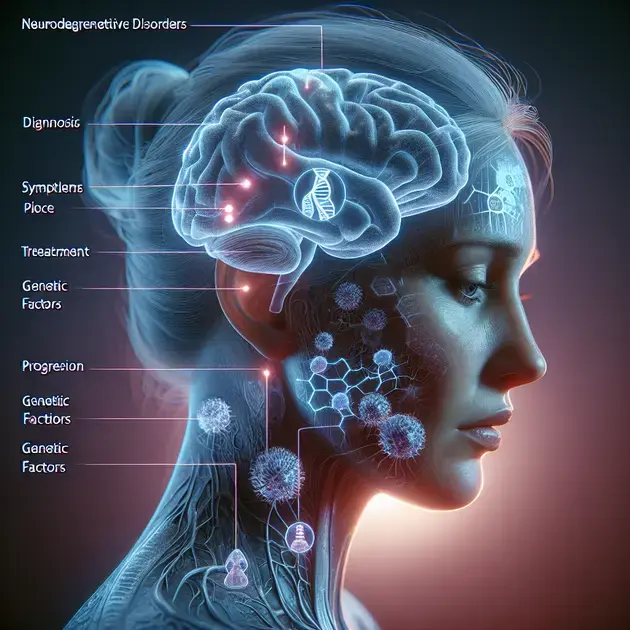
Differences in Progression Rate of Alzheimer’s and Dementia
There are significant differences in the progression rates of Alzheimer’s disease and dementia. Alzheimer’s disease is a specific type of dementia, both characterized by cognitive decline, memory loss, and impaired daily functioning. However, Alzheimer’s disease tends to progress at a more predictable rate compared to other forms of dementia. Research suggests that Alzheimer’s disease typically progresses gradually, with symptoms worsening over several years, while other types of dementia may have a more variable rate of progression.
A key difference between Alzheimer’s disease and dementia lies in the underlying causes and brain changes. Alzheimer’s disease is associated with the build-up of specific proteins in the brain, such as beta-amyloid plaques and tau tangles, leading to the gradual degeneration of brain cells. On the other hand, dementia is a broad term that encompasses various conditions affecting cognitive function, each with different underlying mechanisms and progression patterns.
Understanding the differences in the progression rates of Alzheimer’s disease and dementia is crucial for early diagnosis and treatment. While there is currently no cure for either condition, early intervention and management strategies can help slow down the progression of symptoms and improve quality of life for patients and their caregivers. Research continues to explore the distinct features of each condition to develop more targeted treatments and interventions.
In conclusion, while Alzheimer’s disease and dementia share similarities in terms of cognitive decline and memory loss, their progression rates differ significantly. By recognizing these differences and addressing them through personalized care plans, healthcare providers can better support individuals affected by these neurodegenerative disorders, promoting a higher quality of life and improved outcomes.
Exploring Genetic Factors in Alzheimer’s and Dementia
Genetic factors play a significant role in the development and progression of Alzheimer’s disease and dementia. While both conditions are influenced by a combination of genetic and environmental factors, certain genes have been identified to increase the risk of developing these neurodegenerative disorders. Understanding the genetic basis of Alzheimer’s disease and dementia is essential for early detection, personalized treatment, and prevention strategies.
One of the key genetic factors associated with Alzheimer’s disease is the APOE gene. Variations in the APOE gene, specifically the APOE ε4 allele, have been linked to a higher risk of developing Alzheimer’s disease at an earlier age. Individuals carrying this gene variant may experience accelerated cognitive decline and a more rapid progression of symptoms compared to those without the gene mutation.
Similarly, genetic factors such as mutations in the presenilin and amyloid precursor protein (APP) genes have been implicated in familial forms of early-onset Alzheimer’s disease. These rare genetic mutations account for a small percentage of Alzheimer’s cases but highlight the significant impact of genetic factors on disease development and progression.
Researchers continue to investigate the complex interplay between genetics and Alzheimer’s disease, aiming to identify potential biomarkers and therapeutic targets for personalized treatment approaches. By unraveling the genetic underpinnings of Alzheimer’s disease and dementia, healthcare providers can offer more tailored interventions and support for individuals at risk or living with these conditions.
Understanding the Impact on Caregivers of Alzheimer’s and Dementia
The impact of Alzheimer’s disease and dementia extends beyond the individuals diagnosed with these conditions, significantly affecting their caregivers and families. Caregivers play a crucial role in providing support, assistance, and emotional care for patients with Alzheimer’s disease and dementia, often facing physical, emotional, and financial challenges in the caregiving process.
One of the key differences between caring for individuals with Alzheimer’s disease and dementia lies in the progressive nature of these conditions. As the diseases advance, caregivers may experience increasing levels of stress, burnout, and emotional strain, requiring ongoing support and respite care to maintain their well-being.
Caregivers of individuals with Alzheimer’s disease and dementia may also face challenges related to communication difficulties, behavioral changes, and the need for specialized care services. Understanding the unique needs of patients with neurodegenerative disorders is essential for providing effective care and support for both the individuals affected and their caregivers.
Recognizing the significant impact of caregiving on the mental and physical health of caregivers is crucial for implementing comprehensive support programs and resources. By addressing the specific needs and challenges faced by caregivers of individuals with Alzheimer’s disease and dementia, healthcare providers can promote better outcomes for both patients and their caregivers, enhancing the quality of care and overall well-being.
Conclusion
In conclusion, understanding the differences between Alzheimer’s disease and dementia is crucial for individuals and caregivers to navigate the complexities of these neurological conditions effectively. While Alzheimer’s is a specific type of dementia characterized by memory loss and cognitive decline, dementia is a broader term encompassing a decline in mental ability that interferes with daily life. By recognizing the specific symptoms, seeking timely diagnosis, and exploring tailored treatment options, individuals can receive appropriate care and support.
Furthermore, distinguishing between the symptoms of Alzheimer’s and various types of dementia, such as vascular dementia and Lewy body dementia, can aid in early detection and intervention. Tracking symptoms using tools like MindMate or Alzheimer’s App and seeking evaluations from specialists are essential steps for accurate diagnosis and personalized care planning. By developing comprehensive care plans and utilizing supportive resources, individuals can proactively manage these progressive neurodegenerative disorders.
Moreover, the progression rates of Alzheimer’s and dementia differ significantly, with Alzheimer’s disease typically progressing gradually over several years. Understanding the underlying causes and brain changes associated with each condition is crucial for the early diagnosis and effective management of symptoms. By addressing these differences and implementing personalized care plans, healthcare providers can better support individuals affected by Alzheimer’s and dementia, ultimately improving their quality of life and outcomes.

