
Why Do Gums Bleed?
Discover the possible reasons behind the unsettling occurrence of bleeding gums. From poor oral hygiene habits to underlying health conditions, understanding the root causes can help you take better care of your dental health. Dive into this informative piece to gain insights on how to address and prevent gum bleeding for a healthier smile.
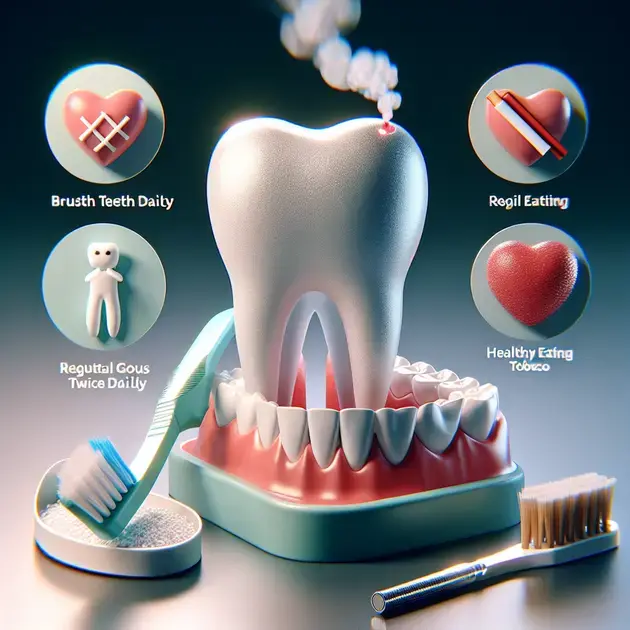
Common Causes of Bleeding Gums
One common cause of bleeding gums is improper oral hygiene. Not brushing and flossing regularly can lead to a buildup of plaque, which can irritate the gums and cause them to bleed. To prevent this, make sure to brush your teeth at least twice a day and floss daily. You can find helpful tips on proper oral hygiene on websites like American Dental Association.
Another cause of bleeding gums can be gum disease, such as gingivitis or periodontitis. These conditions can cause inflammation and bleeding in the gums. If you suspect you have gum disease, it’s essential to visit a dentist for a proper diagnosis and treatment plan. Websites like Colgate offer information on gum disease and treatment options.
Poor nutrition can also contribute to bleeding gums. A lack of essential vitamins like vitamin C can weaken the gums and make them more prone to bleeding. To improve your gum health through proper nutrition, consider consulting with a registered dietitian or visiting websites like EatRight for guidance on a balanced diet for oral health.
Smoking and tobacco use are significant risk factors for bleeding gums. The chemicals in tobacco can damage the gums and reduce blood flow, leading to increased bleeding. Quitting smoking is crucial for overall gum health. Resources like the Smokefree website can provide support and tips for quitting smoking.
Finally, certain medications, such as blood thinners, can also cause gums to bleed more easily. If you are taking medication and experiencing bleeding gums, consult your healthcare provider for guidance on managing this side effect. Medical websites like Mayo Clinic can offer insights into medication side effects on gum health.
Preventive Measures for Bleeding Gums
To prevent bleeding gums, it is essential to maintain good oral hygiene practices. Brush your teeth at least twice a day with a soft-bristled toothbrush and fluoride toothpaste. Websites like MouthHealthy provide detailed guides on proper brushing techniques for optimal gum health.
In addition to brushing, regular flossing is crucial for removing plaque and food particles between the teeth. Incorporate daily flossing into your oral care routine to prevent gum inflammation and bleeding. Websites like Dental Health Foundation offer tutorials on proper flossing techniques.
Schedule regular dental check-ups and cleanings to detect and treat early signs of gum disease. Dentists can provide professional cleanings and personalized advice on how to maintain healthy gums. Use platforms like Zocdoc to find and book appointments with dental professionals in your area.
A balanced diet rich in vitamins and minerals is essential for gum health. Incorporate foods high in vitamin C, such as citrus fruits and leafy greens, to support gum tissue health. Websites like Nutrition.gov offer dietary guidelines for optimal oral health.
Avoid tobacco products and limit alcohol consumption, as these habits can impact gum health and increase the risk of bleeding gums. Seek support from cessation programs and resources to quit smoking and improve overall oral health. Check out resources like CDC – Smoking & Tobacco Use for assistance in tobacco cessation.
Signs and Symptoms of Gum Bleeding
The most common sign of gum bleeding is seeing blood on your toothbrush or in the sink after brushing or flossing. If you notice recurrent bleeding, it’s essential to consult a dentist to determine the underlying cause. Platforms like WebMD provide information on gum bleeding and its possible causes.
Gum inflammation, redness, and tenderness are also indicators of potential gum bleeding issues. If your gums appear swollen or sensitive, it could be a sign of an underlying dental problem. Utilize websites like MedicineNet to explore symptoms of gum disease and bleeding.
Receding gums or changes in the gum line can be a symptom of advanced gum disease, leading to increased gum sensitivity and bleeding. Monitoring changes in your gum appearance can help in early detection and treatment. Websites like American Academy of Periodontology provide resources on gum health and disease progression.
Bad breath that persists even after proper oral hygiene practices could be linked to gum issues causing bleeding. Chronic bad breath, known as halitosis, can be a symptom of gum disease or infection. Explore resources on oral health and bad breath management on websites like American Dental Association.
Bleeding gums during activities like eating or brushing, along with persistent bad taste in the mouth, could indicate gum problems that require attention. Pay attention to these signs and seek professional dental advice to address any underlying issues. Platforms like MouthHealthy offer insights on gum bleeding and oral health maintenance.

Causes of Gum Bleeding
One of the most common causes of gums bleeding is poor oral hygiene. Failure to brush and floss regularly can lead to a buildup of plaque and tartar, which can irritate the gums and cause them to bleed. Additionally, certain medications such as blood thinners can increase the likelihood of gum bleeding.
Another factor that can contribute to gums bleeding is gum disease. Gingivitis, an early stage of gum disease, causes inflammation and bleeding of the gums. If left untreated, gingivitis can progress to periodontitis, which can cause more severe symptoms, including gum recession and tooth loss.
Aggressive brushing or using a toothbrush with hard bristles can also damage the gums, leading to bleeding. It’s important to use a soft-bristled toothbrush and gentle brushing technique to avoid causing harm to the delicate gum tissue.
Nutritional deficiencies, especially of vitamin C and vitamin K, can weaken the gums and make them more prone to bleeding. Ensuring a balanced diet rich in essential nutrients is crucial for maintaining healthy gums and preventing gum bleeding.
Finally, systemic conditions such as diabetes and leukemia can affect gum health and increase the risk of gum bleeding. It’s essential for individuals with these conditions to pay extra attention to their oral hygiene and seek regular dental care to prevent complications.
Tips for Healthy Gums
Proper oral hygiene practices are key to maintaining healthy gums and preventing gum bleeding. Brushing your teeth twice a day and flossing daily can help remove plaque and bacteria that can irritate the gums and cause bleeding.
Using an antiseptic mouthwash can help reduce the bacteria in your mouth, promoting gum health and reducing the risk of gum bleeding. Regular dental check-ups and cleanings are also essential for preventing gum disease and catching any issues early.
Avoid tobacco products, as smoking and chewing tobacco can negatively impact gum health and increase the likelihood of gum bleeding. Eating a balanced diet rich in fruits and vegetables can provide essential nutrients that support gum health and overall well-being.
If you notice any signs of gum bleeding or other gum issues, such as redness, swelling, or pain, it’s essential to consult with a dentist promptly. Early intervention can help prevent further complications and restore gum health.
Stress management techniques, such as meditation or yoga, can also benefit gum health, as stress has been linked to gum disease and inflammation. Prioritizing self-care and overall health can contribute to healthier gums and a brighter smile.
Understanding Gum Bleeding
Gum bleeding can be a warning sign of underlying issues with gum health and should not be ignored. While occasional mild bleeding during brushing or flossing may not be cause for alarm, persistent or heavy bleeding can indicate a problem that requires attention.
It’s essential to understand that gum bleeding can be prevented and treated with proper oral hygiene practices and regular dental care. Ignoring gum bleeding can lead to more serious gum disease and potential tooth loss.
Keep in mind that factors such as genetics, hormonal changes, and certain medications can also contribute to gum bleeding. Communicating openly with your dentist about any concerns or changes in your oral health can help identify and address potential issues early.
If you experience persistent gum bleeding, it’s crucial to seek professional dental care to determine the cause and appropriate treatment. Your dentist can provide personalized recommendations to improve your gum health and prevent future bleeding.
Remember, healthy gums are an essential part of overall oral health. By prioritizing good oral hygiene habits, staying proactive about gum health, and seeking professional care when needed, you can maintain a healthy smile and prevent gum bleeding.
Conclusion
Understanding the common causes of bleeding gums is crucial for maintaining optimal oral health. Improper oral hygiene, gum disease, poor nutrition, smoking, and certain medications can all contribute to gum bleeding. By adopting good oral hygiene practices, seeking professional dental care, and making healthy lifestyle choices, individuals can prevent and address gum bleeding issues effectively.
Preventive measures such as regular brushing and flossing, dental check-ups, balanced nutrition, and avoiding tobacco products play a significant role in keeping gums healthy and reducing the risk of bleeding. Recognizing the signs and symptoms of gum bleeding, such as inflammation, receding gums, and persistent bad breath, allows for early detection and intervention to prevent further complications.
In conclusion, maintaining healthy gums is essential for overall oral health and well-being. By being proactive in caring for your gums, addressing any issues promptly, and seeking professional guidance when needed, you can preserve a bright and healthy smile for years to come. Remember, prioritizing good oral hygiene habits and lifestyle choices can go a long way in preventing gum bleeding and ensuring a radiant smile.

