
Do you find yourself asking, “Why are my gums bleeding?” If so, you’re not alone. Bleeding gums can be a sign of various underlying issues that need attention. In this article, we’ll explore common causes of gum bleeding, ranging from poor oral hygiene practices to more serious dental concerns. Understanding the reasons behind this common oral health issue can help you take the necessary steps to keep your gums healthy.
What Causes Bleeding Gums?
Gum bleeding can be caused by various factors, including poor oral hygiene practices such as infrequent brushing and flossing, which can lead to the buildup of plaque and bacteria along the gumline. Additionally, gum bleeding may result from gum infections or diseases like gingivitis or periodontitis. These conditions can cause the gums to become inflamed and tender, making them more prone to bleeding.
To learn more about the causes of bleeding gums and how to address them effectively, visit reputable dental health websites like MouthHealthy.org. Here, you can find detailed information on maintaining good oral health and preventing gum bleeding.
Regular dental check-ups are crucial in identifying and addressing gum bleeding issues early on. Dentists can provide personalized recommendations and treatment plans to help you maintain healthy gums and prevent future bleeding episodes. Remember, early detection and intervention are key to preventing more serious gum problems.
By following proper oral hygiene practices, such as brushing twice a day, flossing daily, and using an antiseptic mouthwash, you can reduce the risk of gum bleeding and improve your overall dental health. It’s essential to establish a consistent routine and stick to it to keep your gums healthy and free from bleeding.
Remember, if you experience persistent or excessive gum bleeding, it’s important to consult with a dental professional promptly. They can evaluate your condition, determine the underlying cause of the bleeding, and recommend the appropriate course of action to address the issue effectively.
Common Symptoms of Gum Bleeding
In addition to gum bleeding, other common symptoms of gum problems include red, swollen, or tender gums, persistent bad breath, and loose teeth. These signs may indicate underlying dental issues that require attention from a dentist to prevent further complications.
Using tools like the Colgate Oral Care Center can help you identify and understand the symptoms of gum bleeding and related oral health issues. This resource offers insights into various dental conditions and their symptoms, empowering you to recognize potential problems early on.
Paying attention to these symptoms and seeking professional dental care can prevent more severe dental issues down the line. Early intervention is key to addressing gum bleeding and maintaining optimal oral health. Don’t ignore any signs of gum problems and take proactive steps to address them promptly.
Some individuals may also experience gum sensitivity, especially when eating or brushing their teeth. This sensitivity, coupled with gum bleeding, could indicate an underlying dental problem that requires professional assessment and treatment. It’s essential to prioritize your oral health and address any concerning symptoms promptly.
By educating yourself about the common symptoms of gum bleeding and related issues, you can take proactive steps to protect your dental health. Regular dental check-ups and a diligent oral care routine are essential in preventing and addressing gum bleeding effectively.
Effective Ways to Prevent Gum Bleeding
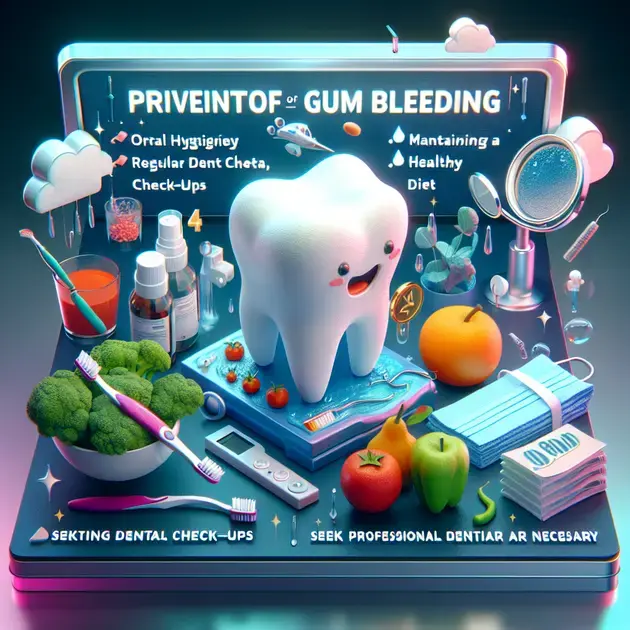
Preventing gum bleeding starts with maintaining good oral hygiene habits, which include brushing your teeth at least twice a day with a soft-bristled toothbrush and fluoride toothpaste. You should also floss daily to remove plaque and debris between your teeth and along the gumline.
Utilizing resources like the American Dental Association (ADA) website can provide you with comprehensive guides on proper oral hygiene practices to prevent gum bleeding. By following ADA recommendations, you can significantly reduce the risk of developing gum issues and maintain a healthy smile.
Incorporating a balanced diet rich in fruits and vegetables, along with drinking plenty of water, can also contribute to optimal gum health. A nutrient-rich diet supports overall oral health and can help prevent gum bleeding by providing essential vitamins and minerals to support gum tissue.
Avoiding tobacco products and limiting sugary snacks and beverages are crucial steps in preventing gum bleeding and maintaining healthy gums. Tobacco use can increase the risk of gum disease and hinder the healing process, while sugar can contribute to plaque formation and bacterial growth, leading to gum inflammation.
If you experience persistent gum bleeding despite practicing good oral hygiene habits, consult a dental professional for a thorough evaluation. They can assess your oral health, identify potential risk factors, and recommend personalized strategies to prevent gum bleeding and promote overall dental wellness.
**Signs of Bleeding Gums**
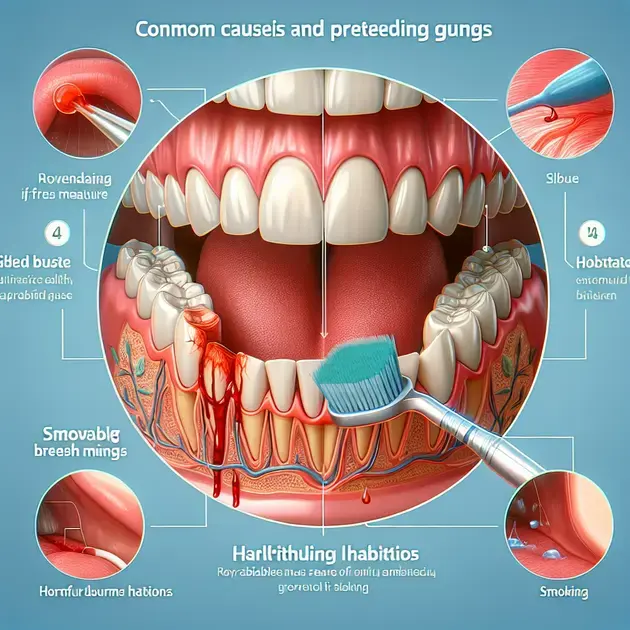
One of the most common signs of gum issues is **gums bleeding**. If you notice blood when you brush or floss, it could be an indication of gum disease. Bleeding gums may also be accompanied by redness, swelling, and tenderness. Other signs to watch out for include bad breath, receding gums, and loose teeth. It’s essential to address **gums bleeding** promptly to prevent further complications.
To improve gum health and prevent **gums bleeding**, maintaining good oral hygiene is crucial. Be sure to brush your teeth at least twice a day and floss daily to remove plaque and bacteria that can lead to gum problems. Regular dental check-ups and cleanings are also important to detect any issues early on. Additionally, adopting a balanced diet rich in fruits and vegetables can promote gum health.
If you experience persistent **gums bleeding**, it’s best to consult a dentist for a proper evaluation. They can determine the underlying cause of the bleeding and recommend appropriate treatment. Depending on the severity of the issue, treatment options may include professional cleanings, scaling and root planing, or even surgical interventions. Addressing **gums bleeding** promptly can help prevent more serious gum diseases such as periodontitis.
In some cases, certain lifestyle factors can contribute to **gums bleeding**. Smoking, stress, and poor nutrition can all impact gum health and increase the likelihood of bleeding gums. By making positive changes such as quitting smoking, managing stress, and improving your diet, you can support gum health and reduce the risk of **gums bleeding**. Remember, maintaining good oral hygiene habits is key to preventing gum issues and keeping your smile healthy.
**Best Practices for Gum Health**
When it comes to maintaining optimal gum health and preventing **gums bleeding**, there are several best practices to keep in mind. First and foremost, adhere to a consistent oral hygiene routine. Brush your teeth with fluoride toothpaste at least twice a day and floss daily to remove plaque and debris that can contribute to gum problems.
In addition to brushing and flossing, using an antiseptic mouthwash can help reduce bacteria in the mouth and promote gum health. Incorporating mouthwash into your oral care routine can provide an extra layer of protection against **gums bleeding**. Be sure to choose a mouthwash that is alcohol-free and approved by your dentist.
Furthermore, incorporating foods that are beneficial for gum health can support overall oral wellness and reduce the likelihood of **gums bleeding**. Foods high in vitamin C, such as citrus fruits and leafy greens, can help strengthen gums and promote healing. Probiotic-rich foods like yogurt and kefir can also support a healthy balance of bacteria in the mouth.
Regular dental visits are essential for maintaining gum health and preventing **gums bleeding**. Your dentist can perform a thorough examination of your gums, identify any signs of gum disease, and provide tailored recommendations for treatment and prevention. Attending regular check-ups every six months can help catch any issues early and ensure your gums stay healthy.
**Understanding Gum Bleeding Causes**
**Gums bleeding** can stem from a variety of factors, with gum disease being one of the most common culprits. Gingivitis, the early stage of gum disease, can cause gums to become inflamed, tender, and prone to bleeding. Poor oral hygiene, bacteria buildup, and hormonal changes can all contribute to the development of gingivitis and **gums bleeding**.
Other potential causes of **gums bleeding** include aggressive brushing or flossing, which can irritate the gums and lead to bleeding. Using a toothbrush with hard bristles or improper flossing techniques can damage the delicate gum tissue, causing it to bleed. It’s important to brush gently with a soft-bristled toothbrush and floss carefully to avoid harming your gums.
Certain medications, such as blood thinners or antihypertensives, can also increase the risk of **gums bleeding**. If you’re taking any medications that may impact your gum health, be sure to discuss potential side effects with your healthcare provider. They may recommend adjustments to your dental care routine or medication regimen to minimize **gums bleeding**.
Systemic conditions like diabetes or vitamin deficiencies can affect gum health and contribute to **gums bleeding**. Individuals with uncontrolled diabetes or inadequate nutrient intake may experience gum problems as a result. Managing underlying health conditions and following a nutrient-rich diet can help support gum health and reduce the risk of **gums bleeding**.
Conclusion
In conclusion, understanding the causes of bleeding gums is crucial for maintaining optimal oral health. Poor oral hygiene practices, gum infections, and diseases like gingivitis and periodontitis can contribute to gum bleeding. It is essential to prioritize regular dental check-ups, follow proper oral hygiene practices, and seek professional care if experiencing persistent gum bleeding.
By recognizing the common symptoms of gum problems, such as redness, swelling, bad breath, and loose teeth, individuals can take proactive steps to address potential issues early on. Incorporating effective prevention strategies like maintaining good oral hygiene habits, consuming a balanced diet, and avoiding tobacco products can significantly reduce the risk of gum bleeding and support overall gum health.
Moreover, adopting best practices for gum health, including consistent oral hygiene routines, the use of antiseptic mouthwash, and consuming foods beneficial for gum health, can bolster efforts in preventing gum bleeding. Regular dental visits are essential for early detection and tailored treatment plans to address any underlying causes of gum bleeding promptly.
Furthermore, understanding the various factors that can cause gum bleeding, such as gum disease, aggressive brushing, certain medications, and systemic conditions like diabetes, is key to mitigating risks and promoting gum health. By managing these factors effectively and seeking professional guidance when needed, individuals can maintain healthy gums and prevent the progression of severe gum diseases like periodontitis.
In essence, prioritizing gum health through education, prevention, and timely intervention is pivotal in preventing gum bleeding and ensuring overall oral wellness. By integrating these practices into daily routines and seeking professional care when necessary, individuals can safeguard their smiles and enjoy optimal dental health in the long term.

